Banner
Synchrotron Could Shed Light On Exotic Dark Photons

There are many hypothetical particles proposed to explain dark matter and one idea to explore how...

The Pain Scale Is Broken But This May Fix It

Chronic pain is reported by over 20 percent of the global population but there is no scientific...
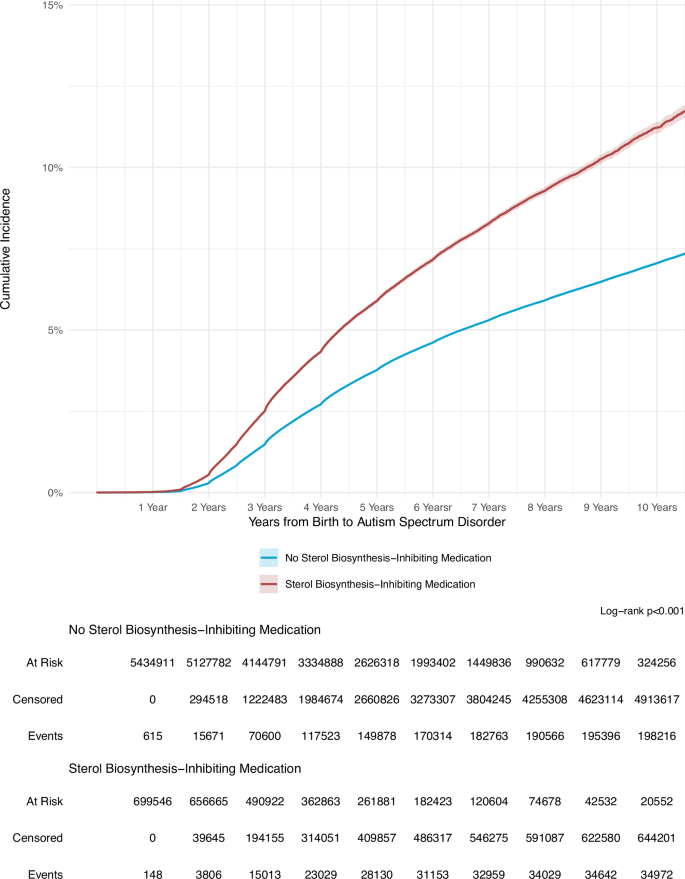
Study Links Antidepressants, Beta-blockers and Statins To Increased Autism Risk

An analysis of 6.14 million maternal-child health records  has linked prescription medications...

Pilot Study: Fibromyalgia Fatigue Improved By TENS Therapy

Fibromyalgia is the term for a poorly-understood condition where people experience pain and fatigue...

User picture.
News StaffRSS Feed of this column.

News Releases From All Over The World, Right To You... Read More »

Blogroll

In the 1950s and 1960s, pregnant women with morning sickness were often prescribed thalidomide. Shortly after the medicine was released on the market, a reported 10,000 infants were born with an extreme form of the rare congenital phocomelia syndrome, which caused death in 50 percent of cases and severe physical and mental disabilities in others.

Although various factors are now known to cause phocomelia, the prominent roots of the disease can be found in the use of the drug thalidomide.  It ignited the anti-pharmaceutical cultural firestorm that still burns today.

Rapidly aging mice fed an experimental drug lived more than four times longer than a control group, and their lungs and vascular system were protected from accelerated aging, according to a new study.

The reason is a protein's key role in cell and physiological aging. The experimental drug inhibits the protein's effect and prolonged the lifespan in a mouse model of accelerated aging. 

This is a completely different target and different drug than anything else being investigated for potential effects in prolonging life and the experimental drug is in the early stages of testing, they note in Proceedings of the National Academy of Sciences.

Aquatic algae can sense and adapt to changing light conditions in lakes and oceans, making them able to use a wide range of color, according to a new paper.

Phytochromes are the eyes of a plant, allowing it to detect changes in the color, intensity, and quality of light so that the plant can react and adapt. Typically about 20 percent of a plant's genes are regulated by phytochromes and the phytochromes use bilin pigments that are structurally related to chlorophyll, the molecule that plants use to harvest light and use it to turn carbon dioxide and water into food.

In a Twitter age, one where mainstream media desperately needs to keep people watching and reading, every event is magnified. A tropical storm that hit New York City was transformed into a Superstorm and a drought in the West is a harbinger of global warming that will crack the planet.

Star Wars Day is May 4th so you are probably wondering how you would build deflector shields in case the US government is worried about turtles on its former nuclear testing grounds and thinks your cows will harm the ecosystem and sends a Death Star after you.

You're in luck; not only are they scientifically feasible, the principle behind them is already used here on Earth.

If you're too young to have seen the original, and missed the flawed prequels, you needn't feel left out - in almost every science-fiction scenario, spaceships are protected by a shield defense system that deflects enemy laser fire. 

One of the most powerful events in our universe – Gamma-Ray Bursts (GRB) – behave differently than previously thought, and this evidence from observation of a GRB rules out most of the existing hypothetical predictions concerning the afterglow of the explosions.