

Banner
Synchrotron Could Shed Light On Exotic Dark Photons

There are many hypothetical particles proposed to explain dark matter and one idea to explore how...

The Pain Scale Is Broken But This May Fix It

Chronic pain is reported by over 20 percent of the global population but there is no scientific...
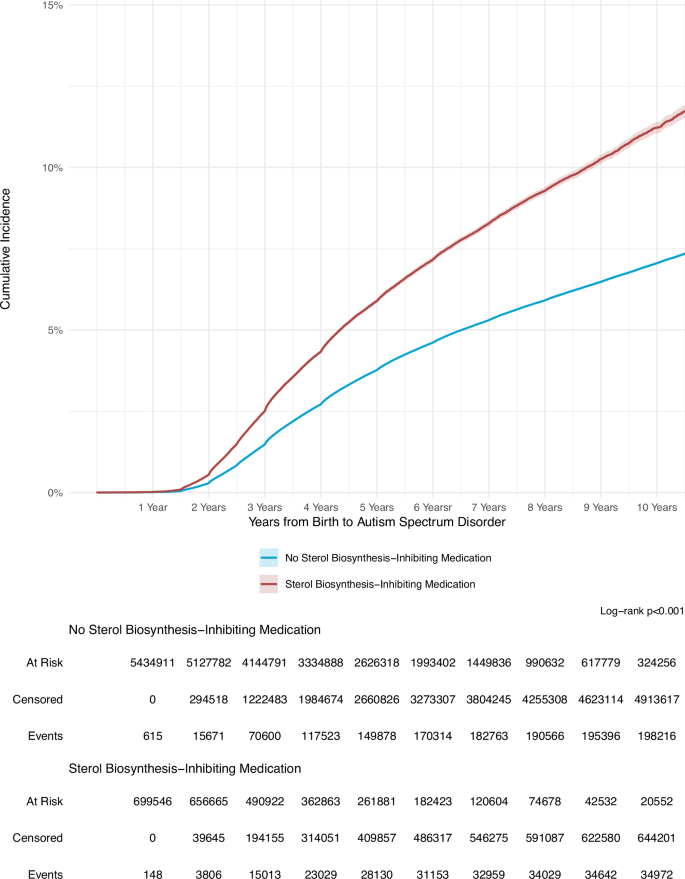
Study Links Antidepressants, Beta-blockers and Statins To Increased Autism Risk

An analysis of 6.14 million maternal-child health records  has linked prescription medications...

Pilot Study: Fibromyalgia Fatigue Improved By TENS Therapy

Fibromyalgia is the term for a poorly-understood condition where people experience pain and fatigue...

User picture.
News StaffRSS Feed of this column.

News Releases From All Over The World, Right To You... Read More »

Blogroll

One of the foremost biomedical mysteries of the past century is the origin of the 1918 pandemic flu virus and its unusual severity, which resulted in a death toll of approximately 50 million people. 

A new paper in the Proceedings of the National Academy of Sciences (PNAS) sheds light on the devastating 1918 pandemic and suggests that the types of flu viruses to which people were exposed during childhood may predict how susceptible they are to future strains, which could inform vaccination strategies and pandemic prevention and preparedness. 

Researchers writing in
Proceedings of the National Academy of Sciences (PNAS)
have identified natural human antibodies against the virus that causes Middle East Respiratory Syndrome (MERS), a step toward developing treatments for the newly emerging and often-fatal disease.

Currently there is no vaccine or antiviral treatment for MERS, a severe respiratory disease with a mortality rate of more than 40 percent that was first reported in Saudi Arabia in 2012.

Your steak may be costing more than you realize, according to a paper in PNAS which estimates that steaks and hamburgers are a significant source of greenhouse gas emissions.

Rising incomes in emerging economies will mean greater demands for meat so it will either become a food solely for rich elites or science improvements will make it less strenuous.

Tart cherry juice in the morning and evening may help you sleep better at night, according to a paper presented today at the
American Society of Nutrition
meeting.

Insomnia is a common health problem among older adults, impacting an estimated 23 to 34 percent of the population ages 65 and older. Insomnia – defined as trouble sleeping on average more than three nights per week – can be an annoyance for some, but long-lasting sleeplessness can seriously affect health, especially in the elderly.


Matthew Miller, M.D., Sc.D., of the Harvard School of Public Health, Boston, and colleagues, writing in JAMA (doi:10.1001/jamainternmed.2014.1053) analyzed data from 162,625 people (between the ages of 10 to 64 years) with depression who started antidepressant treatment with a selective serotonin reuptake inhibitor at modal (the most prescribed doses on average) or at higher than modal doses from 1998 through 2010. 


Americans are caught in a contradictory cultural schism. If a girl is thin, parents feel like they need to have an intervention. But we are in a war on obese people and politicians are responding to that by banning everything that looks like it can pass the legislature. Pressure to be thin may be making girls fat - except in Europe, where impossibly attractive naked women are on public billboards.

Are Americans so fat because of too much pressure to be thin?




