Banner
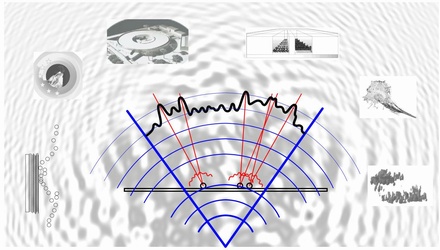
Synchrotron Could Shed Light On Exotic Dark Photons

There are many hypothetical particles proposed to explain dark matter and one idea to explore how...

The Pain Scale Is Broken But This May Fix It

Chronic pain is reported by over 20 percent of the global population but there is no scientific...

Study Links Antidepressants, Beta-blockers and Statins To Increased Autism Risk

An analysis of 6.14 million maternal-child health records  has linked prescription medications...

Pilot Study: Fibromyalgia Fatigue Improved By TENS Therapy

Fibromyalgia is the term for a poorly-understood condition where people experience pain and fatigue...

User picture.
News StaffRSS Feed of this column.

News Releases From All Over The World, Right To You... Read More »

Blogroll

The idea of a smart home sounds promising enough, and a house full of automated gadgets, from light switches to appliances to heating systems, will impress your friends.

Water testing can  be a cumbersome process, with labs and delays and waiting. 

Chemical engineers from McMaster University have reduced the sophisticated chemistry required for testing water safety to a simple pill, by adapting technology found in...a breath strip. 

Want to know if a well is contaminated? Drop a pill in a vial of water and shake it. If the color changes, there's the answer. The development has the potential to dramatically boost access to quick and affordable testing around the world.

The idea occurred to team member Sana Jahanshahi-Anbuhi, a PhD student in Chemical Engineering who came across the breath strips while shopping and realized the same material used in the dissolving strips could have broader applications. 

Who had the privilege to spend eternal life next to the pharaoh?

Kids and other family members, much like today. If you can afford a tomb, that is.

In the Egyptian Valley of the Kings, excavations by Egyptologists from the University of Basel have been working on tomb KV 40, close to the city of Luxor, for three years. From the outside, only a depression in the ground indicated the presence of a subterranean tomb. Up to now, nothing was known about the layout of tomb KV 40 nor for whom it was build and who was buried there.  

If a person commits a violent criminal act, there is a higher chance that a younger sibling will follow in their footsteps than an older one, according to a new paper.

It's been common sense for centuries that violent criminal behavior runs strongly in families but why is unclear. Blame is attributed to shared environmental factors such as poverty, divorce and poor parental supervision. 
This 'social transmission' of violent behaviors suggests that environmental factors within families can be important when it comes to delinquent behavior. 

Should food that has been genetically optimized have a special label attached to it by law?

Advocates say 'yes', it is about awareness, though actual implementations and efforts from California to Vermont are not about awareness, since they have made sure to exempt numerous products - everything from restaurants to alcohol to food at a deli need not have a GMO label. If the cows that make the milk that go into Stonybrook Farms yogurt eat GMO feed, the yogurt is just as organic. 

As it should be. To science, organic and genetic modification are simply different processes. Nothing about a cow munching on genetically modified food changes the milk.

Cancer vaccines haven't lived up to their promise in clinical trials and the reason, many researchers suspect, is that the immune cells that would help the body destroy the tumor – even those reactions boosted by cancer vaccines – are actively suppressed.

Cancer vaccines are designed to boost the body's natural defenses against cancer. They work by training the immune system to recognize and attack specific tumor peptides, which are a kind of identification tag for tumors. These peptide "tags" help the immune system find and attack cancer cells. There are three types of cells that can "see" and react to these tags: T-helper cells, cytotoxic T cells, and B cells, and researchers thought that all three were trained, or tolerized, to ignore the tags on cancer cells.