Banner
Synchrotron Could Shed Light On Exotic Dark Photons

There are many hypothetical particles proposed to explain dark matter and one idea to explore how...

The Pain Scale Is Broken But This May Fix It

Chronic pain is reported by over 20 percent of the global population but there is no scientific...
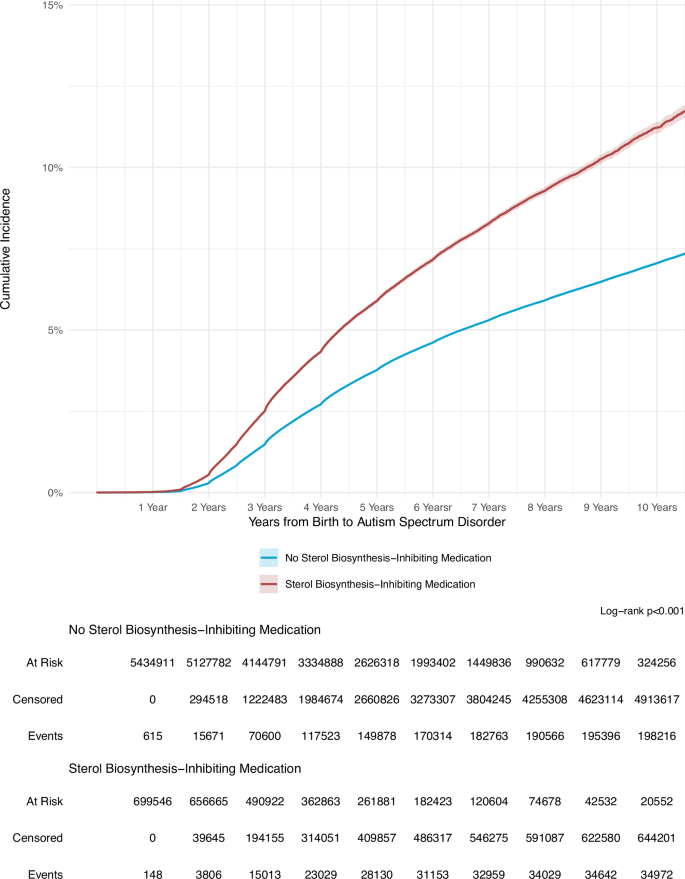
Study Links Antidepressants, Beta-blockers and Statins To Increased Autism Risk

An analysis of 6.14 million maternal-child health records  has linked prescription medications...

Pilot Study: Fibromyalgia Fatigue Improved By TENS Therapy

Fibromyalgia is the term for a poorly-understood condition where people experience pain and fatigue...

User picture.
News StaffRSS Feed of this column.

News Releases From All Over The World, Right To You... Read More »

Blogroll

A new Neurogrid circuit board can simulate orders of magnitude more neurons and synapses than other brain mimics - on the power it takes to run a tablet computer.

For all their sophistication, computers pale in comparison to the brain. The modest cortex of the mouse, for instance, operates 9,000 times faster than a personal computer simulation of its functions. Not only is the PC slower, it takes 40,000 times more power to run, says Kwabena Boahen, associate professor of bioengineering at Stanford.

It is generally well known that men have an overall shorter life expectancy compared to women. A recent study, led by Uppsala University researchers, shows a correlation between a loss of the Y chromosome in blood cells and both a shorter life span and higher mortality from cancer in other organs.

Men have a shorter average life span than women and both the incidence and mortality in cancer is higher in men than in women. However, the mechanisms and possible risk factors behind this sex-disparity are largely unknown. Alterations in DNA of normal cells accumulate throughout our lives and have been linked to diseases such as cancer and diabetes.

Would you sacrifice one person to save five?

Psychologists say those moral choices could depend on whether you are using a foreign language or your native tongue.

The new paper from the University of Chicago and Pompeu Fabra University in Barcelona finds that people using a foreign language take a relatively utilitarian approach to moral dilemmas, making decisions based on assessments of what's best for the common good. That pattern holds even when the utilitarian choice would produce an emotionally difficult outcome, such as sacrificing one life so others could live. 

Throughout the 1980s and 1990s, biofuels - ethanol - was touted as the savior of the environment if it replaced fossil fuels. Former Vice-President Al Gore of Tennessee advocated them, environmental corporations pushed for lobied and finally, in 2005, they were mandated and subsidized.

It quickly became evident that the claims about ethanol were not based on science.

Ethanol was already big business in Brazil and given the benefit of time, scholars can now analyze their air quality as a result of switching from gasoline - and then back. Oddly, ethanol became too expensive so residents of São Paulo, Brazil switched from ethanol back to gasoline for their flexible-fuel vehicles.

It used to be that homelessness was a way of life - the hobo lifestyle was one of odd jobs and flop houses.

But as governments increasingly regulated buildings, flop houses were no longer viable and it is illegal to hire people unless they are registered contractors or making them employees. Actual homelessness has surged. 

Terrorism can be a successful strategy for rebel groups during civil war, according to a Michigan State University political science academic, because governments will believe responding with force extends the conflict 

Jakana Thomas, assistant professor of political science, writing in the American Journal of Political Science, believes that if governments negotiate or use sound counter-terrorism efforts, they stand a better chance of bringing about a peaceful resolution