

Banner
Synchrotron Could Shed Light On Exotic Dark Photons

There are many hypothetical particles proposed to explain dark matter and one idea to explore how...

The Pain Scale Is Broken But This May Fix It

Chronic pain is reported by over 20 percent of the global population but there is no scientific...
Study Links Antidepressants, Beta-blockers and Statins To Increased Autism Risk

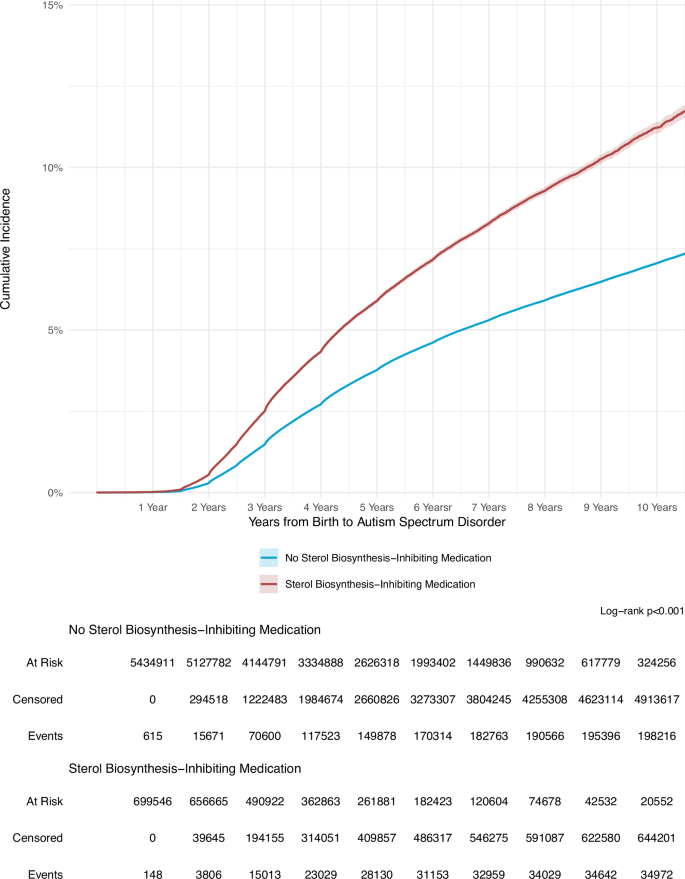
An analysis of 6.14 million maternal-child health records  has linked prescription medications...

Pilot Study: Fibromyalgia Fatigue Improved By TENS Therapy

Fibromyalgia is the term for a poorly-understood condition where people experience pain and fatigue...

User picture.
News StaffRSS Feed of this column.

News Releases From All Over The World, Right To You... Read More »

Blogroll

86-degree Fahrenheit water is quite comfortable for humans, but to many sea creatures it's deadly. If climate change heats up ocean temperatures, the future of species such as coral, which provides sustenance and livelihoods to a billion people, is threatened.

An experiment found that some corals can – on the fly – adjust their internal functions to tolerate hot water 50 times faster than they would adapt through evolutionary change alone. 

CAMBRIDGE, Mass-- The smallest, most abundant marine microbe, Prochlorococcus, is a photosynthetic bacteria species essential to the marine ecosystem. An estimated billion billion billion of the single-cell creatures live in the oceans, forming the base of the marine food chain and occupying a range of ecological niches based on temperature, light and chemical preferences, and interactions with other species. But the full extent and characteristics of diversity within this single species remains a puzzle.

Approved in 2012, Brazil's new Forest Code has few admirers. Agricultural interests argue that it threatens the livelihoods of farmers. Environmentalists counter that it imperils millions of hectares of forest, threatening to release the billions of tons of carbon they contain. A new study, co-authored by Woods Hole Research Center (WHRC) scientists Michael Coe, Marcia Macedo and Brazilian colleagues, published this week in Science, aims to clarify the new law. Entitled "Cracking Brazil's Forest Code," the article is the first to quantify the implications of recent changes to the Forest Code and identify new opportunities and challenges for conservation.

Washington, DC (April 24, 2014) — Many kidney failure patients in Australia who could benefit from undergoing dialysis at home are being treated in hospitals and dialysis units, according to a study appearing in an upcoming issue of the Clinical Journal of the American Society of Nephrology (CJASN). This is creating significant costs for healthcare providers and causing unnecessary disruptions to patients' lives.

If you really care about the climate, you can stop filling out surveys and complaining about what people believe and do something more meaningful than buy carbon credits - you can give up meat. 

And 11 other things that can separate you from the pack that are more interested in uniform bans and mitigation. Those won't work. Take the initiative and it doesn't matter what anyone else does.

A new report, Strategies for Mitigating Climate Change in Agriculture by Mitigation 2014, says it can eliminate the climate nosedive that will occur if people continue to eat meat and use air conditionin. It just needs people in richer countries who claim they care about emissions to show it.

A research team lead by Academy Professor Kari Rissanen at the University of Jyväskylä has discovered a new water-soluble fluorescent detection system that is extremely sensitive to pyrophosphate (PPi).

Pyrophosphate has a key role in energy transduction, DNA replication and other metabolic processes that are dysregulated in cancer cells.

The discovery might lead to the development of a method for early detection of cancer cells.


