Banner
Synchrotron Could Shed Light On Exotic Dark Photons

There are many hypothetical particles proposed to explain dark matter and one idea to explore how...

The Pain Scale Is Broken But This May Fix It

Chronic pain is reported by over 20 percent of the global population but there is no scientific...
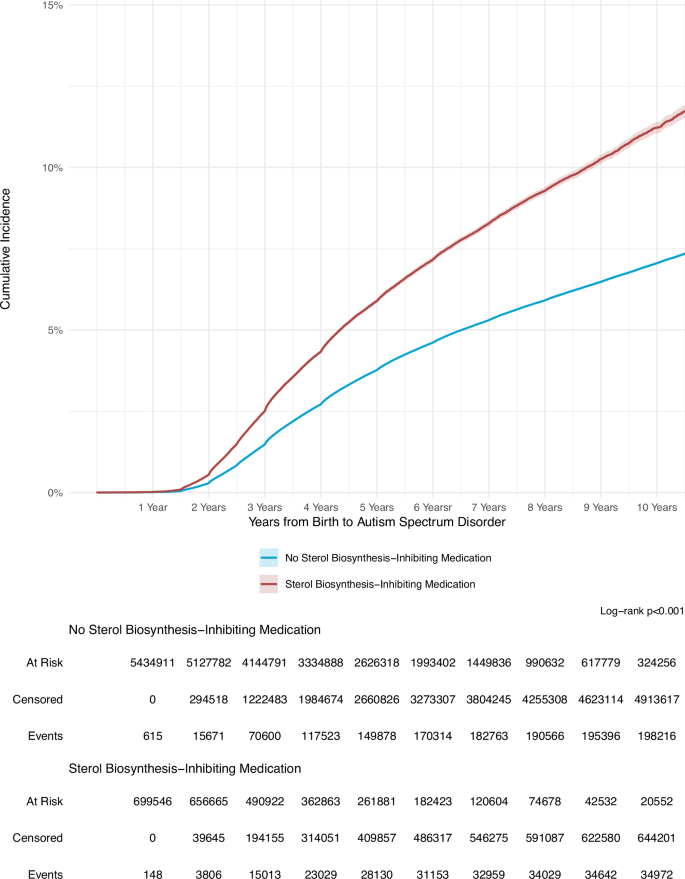
Study Links Antidepressants, Beta-blockers and Statins To Increased Autism Risk

An analysis of 6.14 million maternal-child health records  has linked prescription medications...

Pilot Study: Fibromyalgia Fatigue Improved By TENS Therapy

Fibromyalgia is the term for a poorly-understood condition where people experience pain and fatigue...

User picture.
News StaffRSS Feed of this column.

News Releases From All Over The World, Right To You... Read More »

Blogroll

Scientists at the University of Liverpool have been part of a ten-year project which has successfully sequenced the genetic code of the tsetse fly – making major advances in disease control possible.

Tsetse flies are unique to Africa and can infect people bitten by them with sleeping sickness, a disease which damages the nervous system and is fatal if untreated. This kills over 250,000 people each year.

Traditional methods of control such as releasing sterile males, trapping and pesticide spraying are expensive and difficult to implement. Sleeping sickness can also evade the immune system, making a vaccine hard to create, so the genetic information will allow researchers to develop alternative strategies to control the disease.

Modesto, CA (April 25, 2014) - Six new almond-related research studies will be presented next week in San Diego at the American Society of Nutrition (ASN)'s Scientific Sessions and Annual Meeting, held in conjunction with Experimental Biology 2014 (EB). The conference attracts an international audience of approximately 13,000 leading scientists specializing in various health disciplines.

The science presented will reveal new insights on the effects of almond consumption on overall diet quality and health status, abdominal adiposity, measures of appetite and satiety, and cardiovascular risk factors.

A "brown dwarf" star with the catchy name of  WISE J085510.83-071442.5 appears to be the coldest of its kind.

When people think of stars, they think of hot fusion plasma bubbling and erupting.  WISE J085510.83-071442.5,  7.2 light-years away, making it the fourth closest system to our sun, is instead as frosty as Earth's North Pole.

The locations of the star systems that are closest to the Sun.
The year when each star was discovered to be a neighbor of  the
Sun is indicated. The brown dwarf WISE J085510.83-071442.5
is the fourth nearest system to the Sun. Credit: Janella Williams,

PHILADELPHIA - Sometimes a full-on assault isn't the best approach when dealing with a powerful enemy. A more effective approach, in the long run, may be to target the support system replenishing the supplies that keep your foe strong and ready for battle. A group of researchers from the Abramson Cancer Center and the Perelman School of Medicine at the University of Pennsylvania is pursuing this strategy by employing a novel DNA vaccine to kill cancer, not by attacking tumor cells, but targeting the blood vessels that keep them alive. The vaccine also indirectly creates an immune response to the tumor itself, amplifying the attack by a phenomenon called epitope spreading. The results of the study were published this month in the Journal of Clinical Investigation.

An ancient form of meditation and exercise could help women who suffer from urinary incontinence, according to a new study from UC San Francisco.

In a study scheduled to be published on April 25, 2014 in Female Pelvic Medicine & Reconstructive Surgery, the official journal of the American Urogynecologic Society, UCSF researchers discovered that a yoga training program, designed to improve pelvic health, can help women gain more control over their urination and avoid accidental urine leakage.

Mental health diagnoses have become common in children raised in developed nations.

Medication is often prescribed to treat the symptoms of these conditions but few population-based studies have examined the use of prescription medication to treat mental health problems among younger as well as older school-aged children (8–10). A new CDC report describes the sociodemographic characteristics of children aged 6–17 years prescribed medication or taking medication during the past 6 months for emotional or behavioral difficulties, and describes parental reports of the perceived benefit of this medication.