

Banner
Synchrotron Could Shed Light On Exotic Dark Photons

There are many hypothetical particles proposed to explain dark matter and one idea to explore how...

The Pain Scale Is Broken But This May Fix It

Chronic pain is reported by over 20 percent of the global population but there is no scientific...
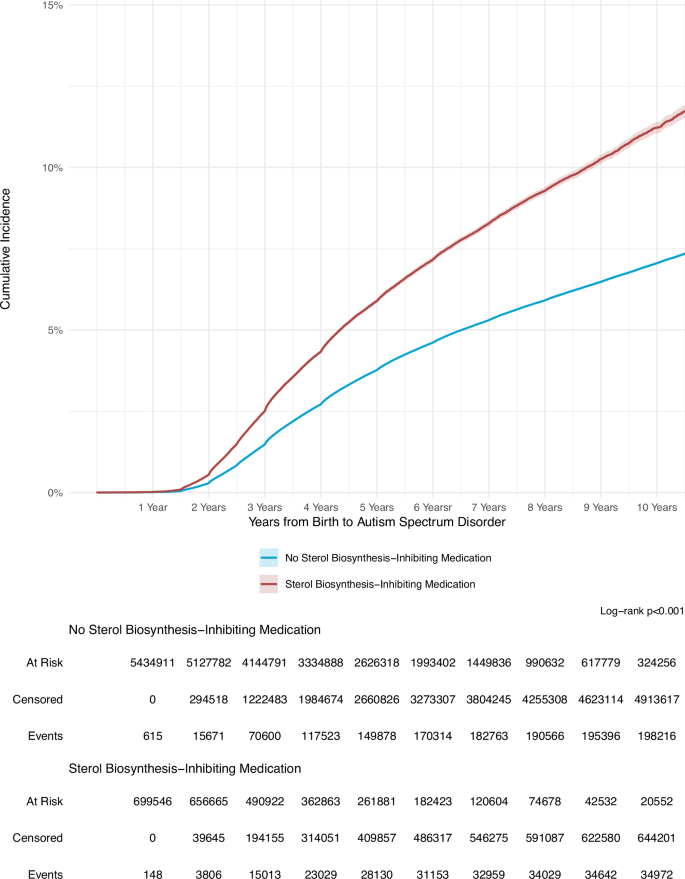
Study Links Antidepressants, Beta-blockers and Statins To Increased Autism Risk

An analysis of 6.14 million maternal-child health records  has linked prescription medications...

Pilot Study: Fibromyalgia Fatigue Improved By TENS Therapy

Fibromyalgia is the term for a poorly-understood condition where people experience pain and fatigue...

User picture.
News StaffRSS Feed of this column.

News Releases From All Over The World, Right To You... Read More »

Blogroll

OTTAWA, April 24, 2014 - A new study from researchers at the University of Ottawa Heart Institute (UOHI), published today in Cell Reports, sheds light on a mysterious gene that likely influences cardiovascular health. After five years, UOHI researchers now know how one genetic variant works and suspect that it contributes to the development of heart disease through processes that promote chronic inflammation and cell division.

Researchers at the Ruddy Canadian Cardiovascular Genetics Centre had initially identified a variant in a gene called SPG7 as a potential contributor to coronary artery disease several years ago, but its role in multiple health processes made it difficult to tease out how it affects heart disease.

It's believed that cheats are always a step ahead of testing. But if blood samples were stored longer - 10 years - the 'biological' profiles of athletes would be around long enough for testing to catch up.

And much wider use should be made of  the athlete's biological passport - biological profiling - which will show up tiny changes made to the individual's unique genetic blueprint by doping substances and methods, without the need to identify the presence of the substance itself, when regularly monitored.

New research published in Diabetologia (the journal of the European Association for the Study of Diabetes) shows that increasing coffee consumption by on average one and half cups per day (approx 360ml) over a four-year period reduces the risk of type 2 diabetes by 11%. The research is led by Dr Frank Hu and Dr Shilpa Bhupathiraju, Department of Nutrition, Harvard School of Public Health, Harvard University, Boston, MA, USA, and colleagues.

Researchers from Queen Mary University of London have found genetic evidence that one of Britain's native tree species, the dwarf birch found in the Scottish Highlands, was once common in England.

Genes from dwarf birch were found in birch tree populations across Britain, which reflects a much wider distribution occupied by the "wee tree" when the British climate was colder.

"We seem to have found genetic footprints of the retreat of dwarf birch into its current refuges in the Scottish Highlands," said Dr Richard Buggs, Senior Lecturer at Queen Mary's School of Biological and Chemical Sciences, who led the research.

Have you ever accidently missed a red light or a stop sign? Or have you heard someone mention a visible event that you passed by but totally missed seeing?

"When we have different things competing for our attention, we can only be aware of so much of what we see," said Kyle Mathewson, Beckman Institute Postdoctoral Fellow at the University of Illinois. "For example, when you're driving, you might really be concentrating on obeying traffic signals."

But say there's an unexpected event: an emergency vehicle, a pedestrian, or an animal running into the road—will you actually see the unexpected, or will you be so focused on your initial task that you don't notice?

It's broadly understood that the world's oceans play a crucial role in the global-scale cycling and exchange of carbon between Earth's ecosystems and atmosphere. Now scientists at Scripps Institution of Oceanography at UC San Diego have taken a leap forward in understanding the microscopic underpinnings of these processes.


