

Banner
Synchrotron Could Shed Light On Exotic Dark Photons

There are many hypothetical particles proposed to explain dark matter and one idea to explore how...

The Pain Scale Is Broken But This May Fix It

Chronic pain is reported by over 20 percent of the global population but there is no scientific...
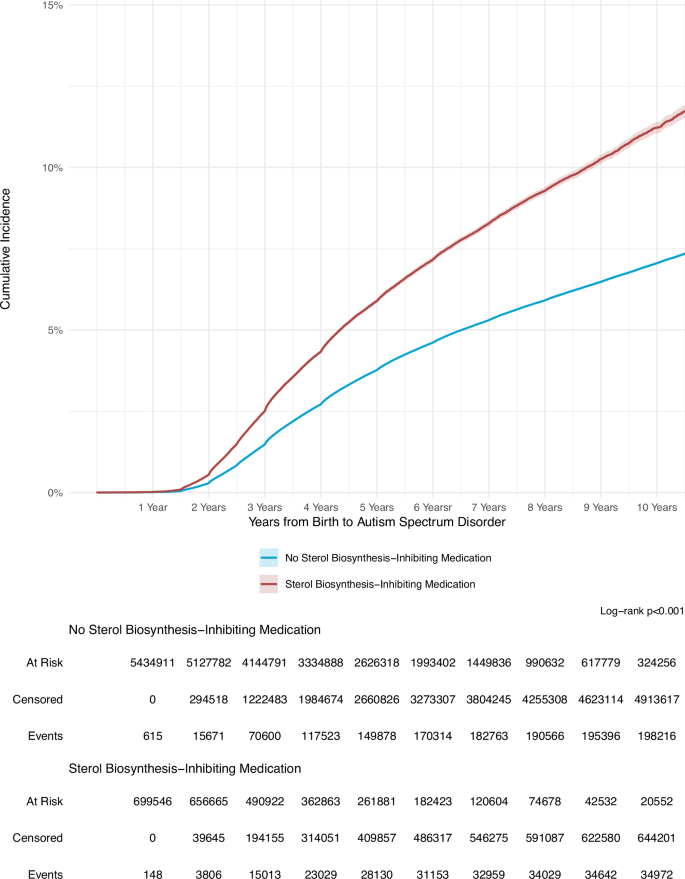
Study Links Antidepressants, Beta-blockers and Statins To Increased Autism Risk

An analysis of 6.14 million maternal-child health records  has linked prescription medications...

Pilot Study: Fibromyalgia Fatigue Improved By TENS Therapy

Fibromyalgia is the term for a poorly-understood condition where people experience pain and fatigue...

User picture.
News StaffRSS Feed of this column.

News Releases From All Over The World, Right To You... Read More »

Blogroll

Man or woman? Male or female?

Modern sociological woo about gender aside, in humans and other mammals, the difference between the sexes depends on one single element of the genome: the Y chromosome. It is present only in males, where the two sexual chromosomes are X and Y, whereas women have two X chromosomes. Thus, the Y is ultimately responsible for all the morphological and physiological differences between males and females.

Shark data collected by citizen scientists may be as reliable as data collected using automated tools, according to results published April 23, 2014, in the open access journal PLOS ONE by Gabriel Vianna from The University of Western Australia and colleagues.

While creating new springs to support a cephalopod-inspired imaging project, a group of Harvard researchers stumbled upon a surprising discovery: the hemihelix, a shape rarely seen in nature.

Big brains do not explain why only humans use sophisticated language, according to researchers who have discovered that even a species of pond life communicates by similar methods.

Dr Thom Scott-Phillips of Durham University led research into Pseudomonas aeruginosa, a type of bacteria common in water and soil, which showed that they communicated in a way that was previously thought to be unique to humans and perhaps some other primates.

The humble aspirin may have just added another beneficial effect beyond its ability to ameliorate headaches and reduce the risk of heart attacks: lowering colon cancer risk among people with high levels of a specific type of gene.

The extraordinary finding comes from a multi-institutional team that analyzed data and other material from two long-term studies involving nearly 128,000 participants. The researchers found that individuals whose colons have high levels of a specific gene product — 15-hydroxyprostaglandin dehydrogenase (15-PGDH) RNA — dramatically reduce their chances of developing colorectal cancer by taking aspirin. In contrast, the analgesic provides no benefit to individuals whose colons show low levels of 15-PGDH.

A new study from the Indiana University School of Public Health-Bloomington has bolstered the link between red meat consumption and heart disease by finding a strong association between heme iron, found only in meat, and potentially deadly coronary heart disease.

The study found that heme iron consumption increased the risk for coronary heart disease by 57 percent, while no association was found between nonheme iron, which is in plant and other non-meat sources, and coronary heart disease.


