

Banner
Synchrotron Could Shed Light On Exotic Dark Photons

There are many hypothetical particles proposed to explain dark matter and one idea to explore how...

The Pain Scale Is Broken But This May Fix It

Chronic pain is reported by over 20 percent of the global population but there is no scientific...
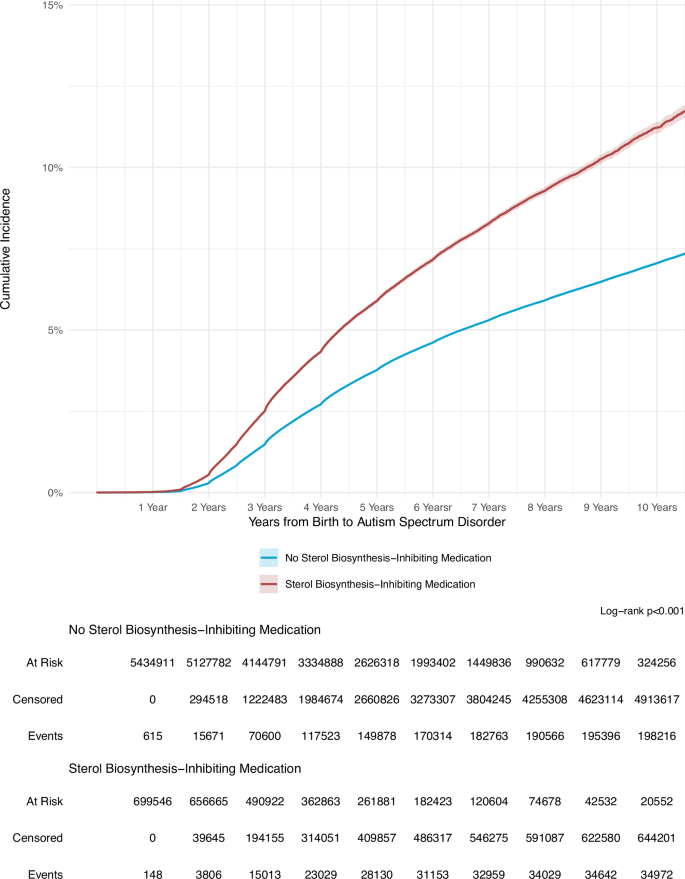
Study Links Antidepressants, Beta-blockers and Statins To Increased Autism Risk

An analysis of 6.14 million maternal-child health records  has linked prescription medications...

Pilot Study: Fibromyalgia Fatigue Improved By TENS Therapy

Fibromyalgia is the term for a poorly-understood condition where people experience pain and fatigue...

User picture.
News StaffRSS Feed of this column.

News Releases From All Over The World, Right To You... Read More »

Blogroll

Researchers from the University of Texas Medical Branch and the Stillbirth Collaborative Research Network have identified a link between stillbirth and either restricted or excessive fetal growth. Findings from the study are online in the April 22 issue of PLOS Medicine.

Using a new approach developed by the network to estimate gestational age in stillborn babies, Dr. Radek Bukowski, lead researcher and professor of obstetrics and gynecology at UTMB, and his colleagues evaluated 663 stillbirths and 1932 live births that occurred over a two-and-a-half year period at 59 hospitals in five U.S. regions.

Researchers report that they have discovered a new genus and species of electric knifefish in several tributaries of the Negro River in the Amazonia State of Brazil.

Professor Cristina Cox Fernandes at UMass Amherst, with Adília Nogueira and José Antônio Alves-Gomes of INPA, describe the new bluntnose knifefish in the current issue of the journal Proceedings of the Natural Sciences of Philadelphia and detail the new genus and species' anatomy, range, relationship to other fish, salient features of its skeleton, coloration, electric organs and patterns of electric organ discharge (EOD).

True to their name, these fish produce electric discharges in distinct pulses that can be detected by some other fish. 

Anywhere from 40 to 60 percent of women who undergo routine screening mammography during a ten-year period will experience a false-positive mammogram.

They then suffer anxiety while they undergo additional testing, sometimes involving a biopsy, to confirm that cancer is not present.

Researchers have suspected that increased anxiety, pain, and the bother of additional tests might adversely affect the quality of life for women who experience false-positive screening mammograms. In a new paper, Dartmouth scholars used data collected by the Digital Mammographic Imaging Screening Trial (DMIST), which was conducted by the American College of Radiology Imaging Network (ACRIN), to study the impact a false-positive mammogram has on women's lives.

Are you on the go a lot? Is your time so limited even moving your eyeballs is putting you behind?

If so, there is an app for that. If not, app developers are looking to create a market for that kind of personalized optimization, so they have devised speed-reading software that eliminates the time we supposedly waste by moving our eyes as we read.

Are eyes just passive conduits getting in the way of the modern world with their ancient biological mechanism? 

A paper in Psychological Science argues that eye movements we make during reading actually play a critical role in our ability to understand what we've just read.

The term "tween" is a marketing colloquialism for a child who is between the ages of 8 and 12 -not quite a little kid but not yet a teenager. A pre-adolescent.

This demographic watches more television than any other age group and is thus considered a lucrative market for advertisers. Tween television programming often consists of the following: "teen scene" and "action-adventure" , which a pair of academics say is shaping stereotypes in tweens rather than reflecting what kids want to watch.

77% of Americans prefer summer over winter and while we know what temperatures actually were this past winter, what people think they were in a recent Harris Poll is something else.

When it came to the temperature, 88 percent of Midwesterners and 84 percent of Easterners say it was colder than normal. 71 percent believe it was while only 18 percent felt it was colder than normal. 45% in the West believe it was warmer than normal.

When it came to precipitation, 77 percent of those in the Midwest, 73 percent in the East and 49 percent say there was more rain or snow in their area. In the West, 62% say they had less rain or snow this winter.

Was the snow due to climate change?





