

Banner
Synchrotron Could Shed Light On Exotic Dark Photons

There are many hypothetical particles proposed to explain dark matter and one idea to explore how...

The Pain Scale Is Broken But This May Fix It

Chronic pain is reported by over 20 percent of the global population but there is no scientific...
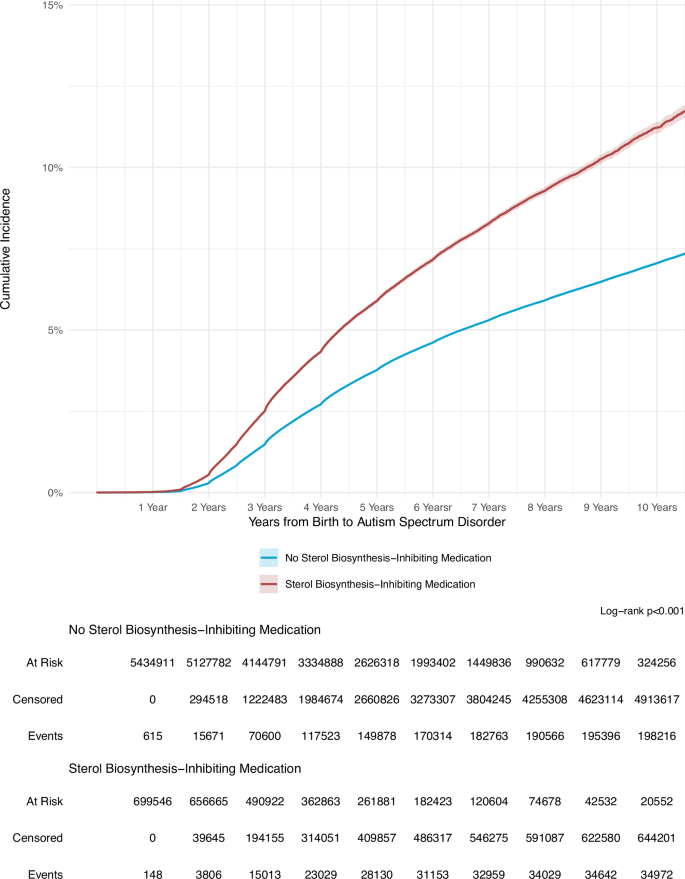
Study Links Antidepressants, Beta-blockers and Statins To Increased Autism Risk

An analysis of 6.14 million maternal-child health records  has linked prescription medications...

Pilot Study: Fibromyalgia Fatigue Improved By TENS Therapy

Fibromyalgia is the term for a poorly-understood condition where people experience pain and fatigue...

User picture.
News StaffRSS Feed of this column.

News Releases From All Over The World, Right To You... Read More »

Blogroll

Emergency contraceptive pills haven't reduced teen pregnancies or abortions but at least in America those incidents have not risen - in South America, unprotected sex is really taking a pregnancy gamble, even if there is access to a morning after pill.

A survey of emergency contraceptive pills in Peru found that 28 percent of the batches studied were either of substandard quality or falsified. Many released the active ingredient too slowly, others had the wrong active ingredient, one batch was basically homeopathy contraception - the researchers couldn't find an active ingredient at all. 

The sun emitted a mid-level solar flare, peaking at 9:03 a.m. EDT on April 18, 2014, and NASA's Solar Dynamics Observatory captured images of the event. Solar flares are powerful bursts of radiation. Harmful radiation from a flare cannot pass through Earth's atmosphere to physically affect humans on the ground, however -- when intense enough -- they can disturb the atmosphere in the layer where GPS and communications signals travel.

To see how this event may impact Earth, please visit NOAA's Space Weather Prediction Center at http://spaceweather.gov, the U.S. government's official source for space weather forecasts, alerts, watches and warnings.

The USA alone has more wilderness than the entire continent of Africa does, but the natural world is not the same as it was 20, 50 or 100 years ago.  And the natural world than was far different than preceding generations.

If you have ever seen set pieces from a science-fiction show, you have probably been amazed at how cheap and silly the whole things looks. That was the initial concern with high-definition television too. Standard definition hid a lot of cosmetic defects in people and things that are quite obvious in the real world.

Lighting can do the same thing in the real world, of course. Everyone has had a table in their place that looked fine, only to open the windows and have natural light reveal a layer of dust. 

What's one of your worst memories? How did it make you feel? According to psychologists, remembering the emotions felt during a negative personal experience, such as how sad you were or how embarrassed you felt, can lead to emotional distress, especially when you can't stop thinking about it.

When these negative memories creep up, thinking about the context of the memories, rather than how you felt, is a relatively easy and effective way to alleviate the negative effects of these memories, a new study suggests.

Durham, NC — Ancient DNA adds a twist to the story of how barnyard chickens came to be, finds a study to be published April 21 in the journal Proceedings of the National Academy of Sciences.

Analyzing DNA from the bones of chickens that lived 200-2300 years ago in Europe, researchers report that just a few hundred years ago domestic chickens may have looked far different from the chickens we know today.

The results suggest that some of the traits we associate with modern domestic chickens -- such as their yellowish skin -- only became widespread in the last 500 years, much more recently than previously thought.

"It's a blink of an eye from an evolutionary perspective," said co-author Greger Larson at Durham University in the United Kingdom.

