Banner
Synchrotron Could Shed Light On Exotic Dark Photons

There are many hypothetical particles proposed to explain dark matter and one idea to explore how...

The Pain Scale Is Broken But This May Fix It

Chronic pain is reported by over 20 percent of the global population but there is no scientific...
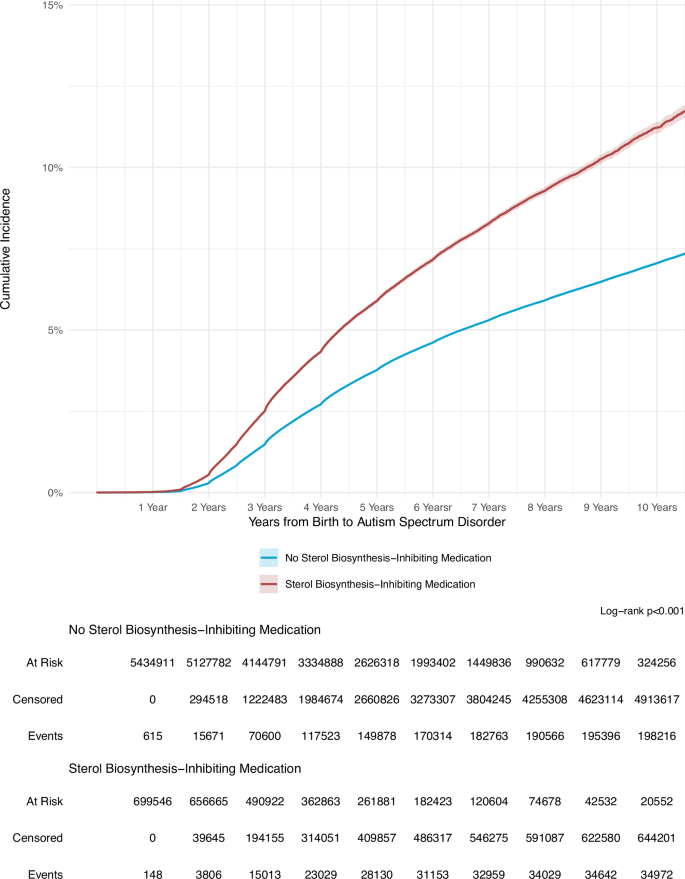
Study Links Antidepressants, Beta-blockers and Statins To Increased Autism Risk

An analysis of 6.14 million maternal-child health records  has linked prescription medications...

Pilot Study: Fibromyalgia Fatigue Improved By TENS Therapy

Fibromyalgia is the term for a poorly-understood condition where people experience pain and fatigue...

User picture.
News StaffRSS Feed of this column.

News Releases From All Over The World, Right To You... Read More »

Blogroll

Durham, NC — Seeds that sprout as soon as they're planted may be good news for a garden. But wild plants need to be more careful. In the wild, a plant whose seeds sprouted at the first
warm spell or rainy day would risk disaster. More than just an insurance policy against late frosts or unexpected dry spells, it turns out that seed dormancy has long-term advantages too: Plants whose seeds put off sprouting until conditions are more certain give rise to more species, finds in a team of researchers working at the National Evolutionary Synthesis Center in North Carolina.

Parts of the landscape underlying the massive Greenland ice sheet may have been undisturbed for almost 3 million years, since the island became completely ice-covered, say researchers who based their discovery on an analysis of the chemical composition of silts recovered from the bottom of an ice core more than 3,000 meters long. 

The find suggests "pre-glacial landscapes can remain preserved for long periods under continental ice sheets." 

In the time since the ice sheet formed "the soil has been preserved and only slowly eroded, implying that an ancient landscape underlies 3,000 meters of ice at Summit, Greenland," they conclude.

Most academics don't like competition but in the field of artificial intelligence, everyone wants to square off against the best in their discipline.

In June, the International Planning Competition held every two years will take place in  New Hampshire. It  is divided into four categories, the most significant of which is considered the “deterministic track”. This is for programs designed to eliminate any element of chance from automated planning in a wide range of fields, such as logistics, robot manipulation, satellite movement and transport. 
Mercury levels in excess of U.S. Environmental Protection Agency health thresholds for potential impacts to fish, birds, and humans have been detected in fish in some of the most remote national park lakes and streams in the western United States and Alaska.

 Mercury is harmful to human and wildlife health. It arises from natural sources, such as volcanic eruptions, and from human sources such as burning fossil fuels in power plants. Mercury is distributed at local or regional scales as a result of current and historic mining activities. Human activities have increased levels of atmospheric mercury at least three fold during the past 150 years.  

DURHAM, N.C. – Within each strand of DNA lies the blueprint for building an organism, along with the keys to its evolution and survival. These genetic instructions can give valuable insight into why pathogens like Cryptococcus neoformans -- a fungus responsible for a million cases of pneumonia and meningitis every year -- are so malleable and dangerous.

A groundbreaking study published in PLOS ONE by Prof. Iris Berent of Northeastern University and researchers at Harvard Medical School shows the brains of individual speakers are sensitive to language universals. Syllables that are frequent across languages are recognized more readily than infrequent syllables. Simply put, this study shows that language universals are hardwired in the human brain.

LANGUAGE UNIVERSALS