Banner
Synchrotron Could Shed Light On Exotic Dark Photons

There are many hypothetical particles proposed to explain dark matter and one idea to explore how...

The Pain Scale Is Broken But This May Fix It

Chronic pain is reported by over 20 percent of the global population but there is no scientific...
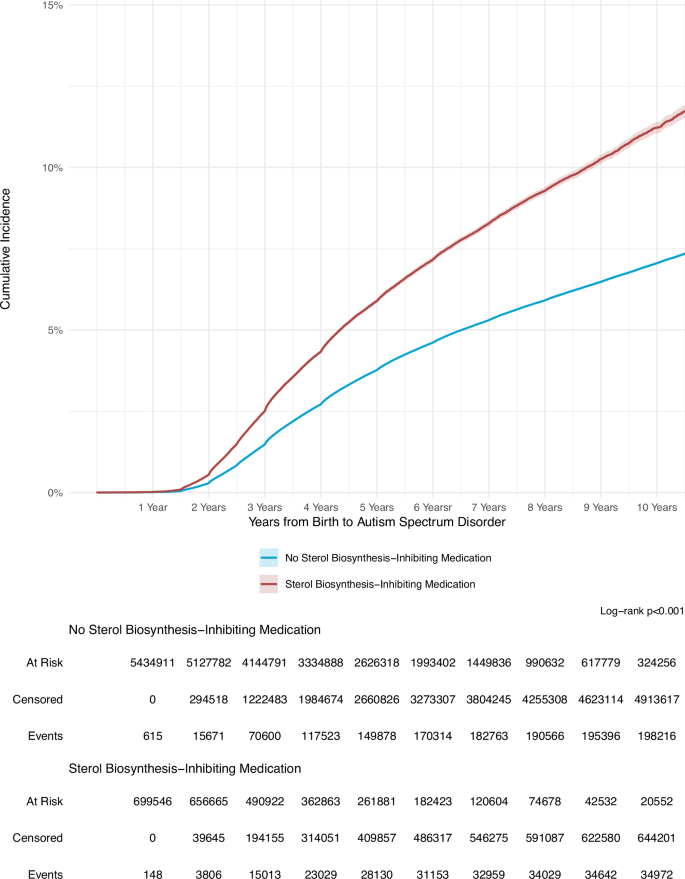
Study Links Antidepressants, Beta-blockers and Statins To Increased Autism Risk

An analysis of 6.14 million maternal-child health records  has linked prescription medications...

Pilot Study: Fibromyalgia Fatigue Improved By TENS Therapy

Fibromyalgia is the term for a poorly-understood condition where people experience pain and fatigue...

User picture.
News StaffRSS Feed of this column.

News Releases From All Over The World, Right To You... Read More »

Blogroll
In 2017, the British will introduce a new coin that should be difficult to counterfeit. 

The last time a Queen Elizabeth sat on the throne they tried the same thing, to deter “divers evil persons” from damaging the reputation of English coinage and, with it, the good name of the nation. And they tried it plenty of times since. And before.

As long as there has been money, there has been counterfeiting. Today, the Royal Mint estimates retailers lose about $25 million a year due to counterfeits and up to 3% of their £1 coins are fake.

How is nitrogen removed from the ocean? Some new findings may provide answers.

The debate centers on how nitrogen, one of the most important food sources for ocean life and a controller of atmospheric carbon dioxide, becomes converted to a form that can exit the ocean and return to the atmosphere where it is reused in the global nitrogen cycle. 

Researchers have argued over which of two nitrogen-removal mechanisms, denitrification and anammox, is most important in the oceans. The question is not just a scientific curiosity, but has real world applications because one mechanism contributes more greenhouse gases to the atmosphere than the other.

This news release is available in German.

Apoptosis is used by cells that are changed by disease or are simply not needed any longer to eliminate themselves before they become a hazard to the body—on a cellular level, death is part of life. Disruption of this process can lead to cancer or immunodeficiencies, but also to autoimmune diseases, in which cells attack their own body.

London, UK, Saturday 12 April 2014: A UK study[i] investigating the link between low vitamin D status and non-alcoholic fatty liver disease (NAFLD) in British children has identified a genetic variant associated with the disease's severity.

The research, conducted by the King's College Hospital Paediatric Liver Centre and the University of Surrey's School of Biosciences and Medicine, and funded by the Children's Liver Disease Foundation retrospectively analysed the medical records of 120 paediatric patients with NAFLD.

It's no secret that bacterial parasites can change creatures. The parasitic lancet liver fluke infects the brain of ants, compelling them to climb to the tip of a blade of grass and into the mouth of a grazing animal. Another parasite is thought to change the behavior of rats to make them more susceptible to predation. 

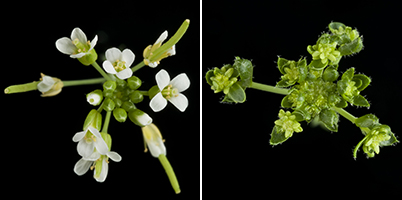
They basically become zombies. And some bacterial parasites can even turn plants into the living dead.
Scientists who monitored skuas in Adélie Land and the Kerguelen Islands for ten years have found when these seabirds exhibit high mercury levels in their blood, their breeding success decreases. 

The researchers from the Centre d'Etudes Biologiques de Chizé and from the Littoral, Environnement et Sociétés Laboratory (CNRS / Université de La Rochelle) say that this is the first time that toxicological measurements have been combined with a population study carried out over such a long period in the Antarctic and Subantarctic.