Banner
Synchrotron Could Shed Light On Exotic Dark Photons

There are many hypothetical particles proposed to explain dark matter and one idea to explore how...

The Pain Scale Is Broken But This May Fix It

Chronic pain is reported by over 20 percent of the global population but there is no scientific...
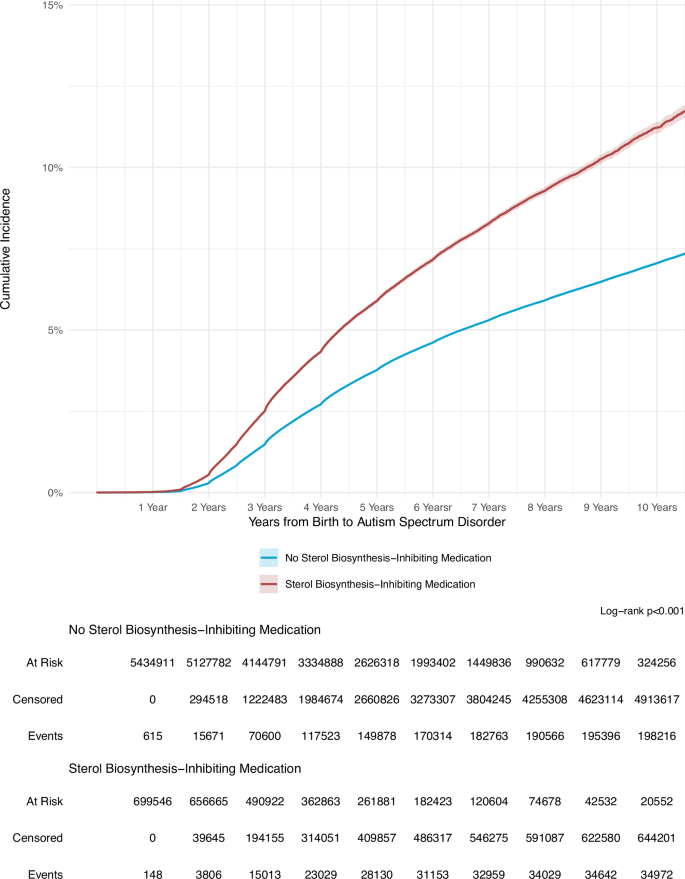
Study Links Antidepressants, Beta-blockers and Statins To Increased Autism Risk

An analysis of 6.14 million maternal-child health records  has linked prescription medications...

Pilot Study: Fibromyalgia Fatigue Improved By TENS Therapy

Fibromyalgia is the term for a poorly-understood condition where people experience pain and fatigue...

User picture.
News StaffRSS Feed of this column.

News Releases From All Over The World, Right To You... Read More »

Blogroll

Synthetic collagen invented at Rice University may help wounds heal by directing the natural clotting of blood.

The material, KOD, mimics natural collagen, a fibrous protein that binds cells together into organs and tissues. It could improve upon commercial sponges or therapies based on naturally derived porcine or bovine-derived collagen now used to aid healing during or after surgery.

The lab of Jeffrey Hartgerink, a chemist and bioengineer based at Rice's BioScience Research Collaborative, developed synthetic collagen several years ago. The lab's analysis of KOD for use as a hemostat, or clotting agent, appears this month in the American Chemical Society journal Biomacromolecules.

Coral Gables, FL (April 9, 2014) -- Approximately 26 percent of the U.S. population has impaired fasting glucose, which is a predisposition for developing type 2 diabetes, and chromium supplementation has been suggested as a method that may help control and prevent the disease.

A new study by a University of Miami (UM) researcher analyses nearly three decades of data on the effect of chromium supplementation on blood sugar and concludes that chromium supplements are not effective at lowering fasting blood sugar in healthy individuals, or diabetics.

Chromium is a mineral required by humans in minute concentrations and is obtained naturally in the diet. Actually, few cases of deficiency have been documented.

Harvard evolutionary biologist Professor David Haig believes that infants that wake frequently at night to breastfeed are delaying the resumption of the mother's ovulation and therefore preventing the birth of a sibling with whom they would have to compete.

Not many people care about where the yeast that makes much of modern beer possible came from. But science cares.

The cold-adapted yeast that blended with a distant cousin to make the lager-churning hybrid has been a biological black box for the last 500 years of industrial fermentation, even though fermentation underpins the production of everything from soy sauce to biofuel. A few years ago, scientists identified the South American yeast that, hundreds of years ago, somehow hitched a ride to Bavaria and combined with the domesticated Old World yeast used for millennia to make ale and bread to form the hybrid that makes lager or cold stored beer.

Parasitic butterfly larvae may mimic ants' acoustic signals to aid in the infiltration of their host colonies, according to results published April 9, 2014, in the open access journal PLOS ONE by Marco Sala from University of Turin, Italy, and colleagues.

WHAT:

A National Institutes of Health (NIH) study reports that a rare genetic disease, while depleting patients of infection-fighting antibodies, may actually protect them from certain severe or recurrent viral infections. Researchers found that HIV and influenza viruses replicate in the cells of people with congenital disorder of glycosylation type IIb (CDG-IIb) at a much lower rate than in healthy donor cells, creating fewer and less infectious viruses. The study, published in The New England Journal of Medicine, was led by Sergio Rosenzweig, M.D., Ph.D., director of the Primary Immune Deficiency (PID) Clinic at the NIH's National Institute of Allergy and Infectious Diseases (NIAID).