Banner
Synchrotron Could Shed Light On Exotic Dark Photons

There are many hypothetical particles proposed to explain dark matter and one idea to explore how...

The Pain Scale Is Broken But This May Fix It

Chronic pain is reported by over 20 percent of the global population but there is no scientific...
Study Links Antidepressants, Beta-blockers and Statins To Increased Autism Risk

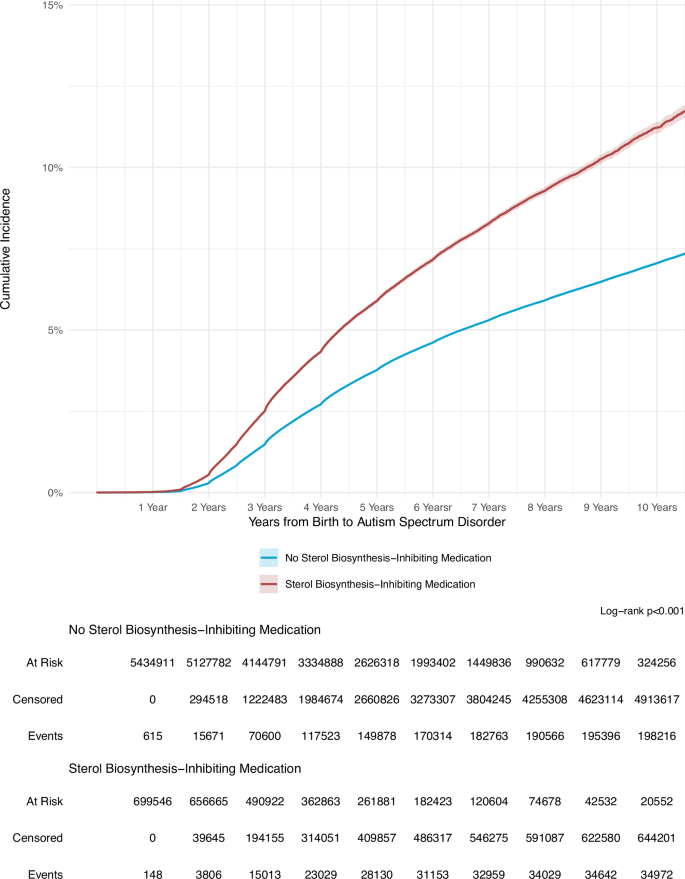
An analysis of 6.14 million maternal-child health records  has linked prescription medications...

Pilot Study: Fibromyalgia Fatigue Improved By TENS Therapy

Fibromyalgia is the term for a poorly-understood condition where people experience pain and fatigue...

User picture.
News StaffRSS Feed of this column.

News Releases From All Over The World, Right To You... Read More »

Blogroll

A new study published in the Proceedings of the National Academy of Sciences by scientists at the University of Queensland, Australia, overturns a long-held theory in plant science [see:http://www.bnl.gov/newsroom/news.php?a=11631]. Researchers at the U.S. Department of Energy's (DOE) Brookhaven National Laboratory who are co-authors on this paper conducted critical radiotracer studies that support the new theory that plant sugars play a dominant role in regulating branching at plant stems. While branching has relevance in agriculture, it is also very important in bioenergy crop production.

A new study suggests that early humans living thousands of years before Neanderthals, were able to work together in groups to hunt and slaughter animals as large as the prehistoric elephant.

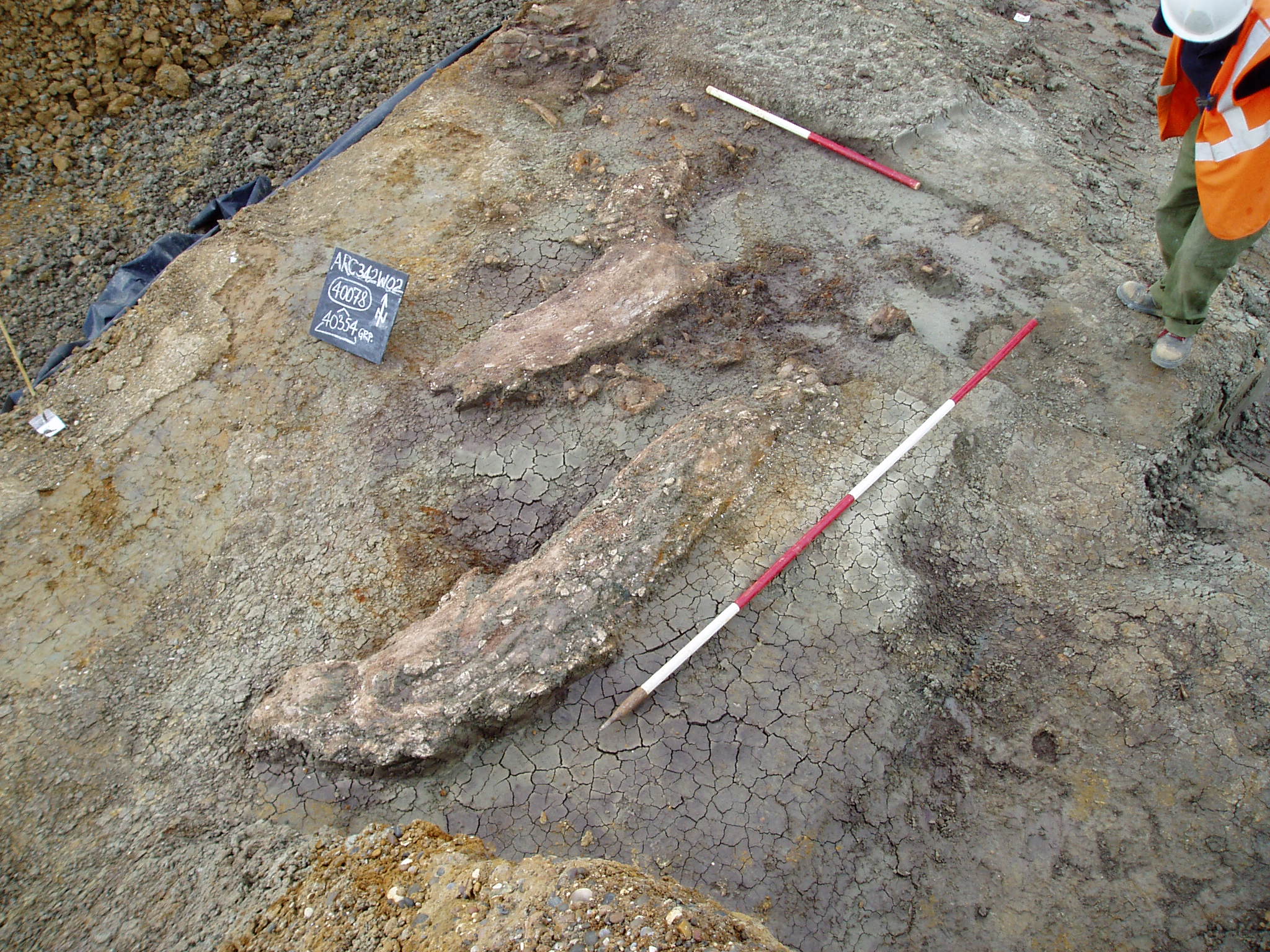
University of Southampton archaeologist Dr. Francis Wenban-Smith discovered a site containing remains of an extinct straight-tusked elephant (Palaeoloxodon antiquus) in 2003, in an area of land at Ebbsfleet in Kent, during the construction of the High Speed 1 rail link from the Channel Tunnel to London. Investigation of the area was carried out with independent heritage organization Oxford Archaeology, with the support of HS1 Ltd.

Four young men who have been paralyzed for years achieved groundbreaking progress — moving their legs.

Writing in the journal Brain, the researchers from the University of Louisville, UCLA and the Pavlov Institute of Physiology say the breakthrough is a result of epidural electrical stimulation of the spinal cord. All four participants were classified as suffering from chronic, motor complete spinal cord injuries and were unable to move their lower extremities prior to the implantation of an epidural stimulator. The stimulator delivers a continuous electrical current to the participants' lower spinal cords, mimicking signals the brain normally transmits to initiate movement.

Researchers have developed a system allowing neurophysiologists to share raw data with each other, something they hope will generate new discoveries in the field.

The first type of data they collected and standardized are recordings of so called ‘retinal waves’. During early development, retinal neurons generate signals that rapidly spread across from one cell to another, much like a Mexican wave in a football stadium. These patterns of activity are thought to help forge the neural connections from the eye to the brain.

We can identify an athletic body by analysis of their skeletons because bones show remarkably rapid adaptation to both the intensity and direction of strains. Put under stress through physical exertion – such as long-distance walking or running – they gain in strength as the fibers are added or redistributed according to where strains are highest.  

Can you put a price on ecological restoration? Of course you can. In fact, you must, or the discourse will be taken over by activists for whom price is no object. In the real world, an evidence-based price on clean water and soil fertility helps the United Nations set ecological restoration targets for degraded and deforested land.

Forests provide essential ecosystem services for people, including timber, food and water. For those struggling with the after-effects of deforestation, the main hope lies in rebuilding forest resources through ecological restoration.

Researchers at Bournemouth University have shown that placing a monetary value on ecosystem services provides a mechanism for evaluating the costs and benefits of reforestation activity.