Banner
Synchrotron Could Shed Light On Exotic Dark Photons

There are many hypothetical particles proposed to explain dark matter and one idea to explore how...

The Pain Scale Is Broken But This May Fix It

Chronic pain is reported by over 20 percent of the global population but there is no scientific...
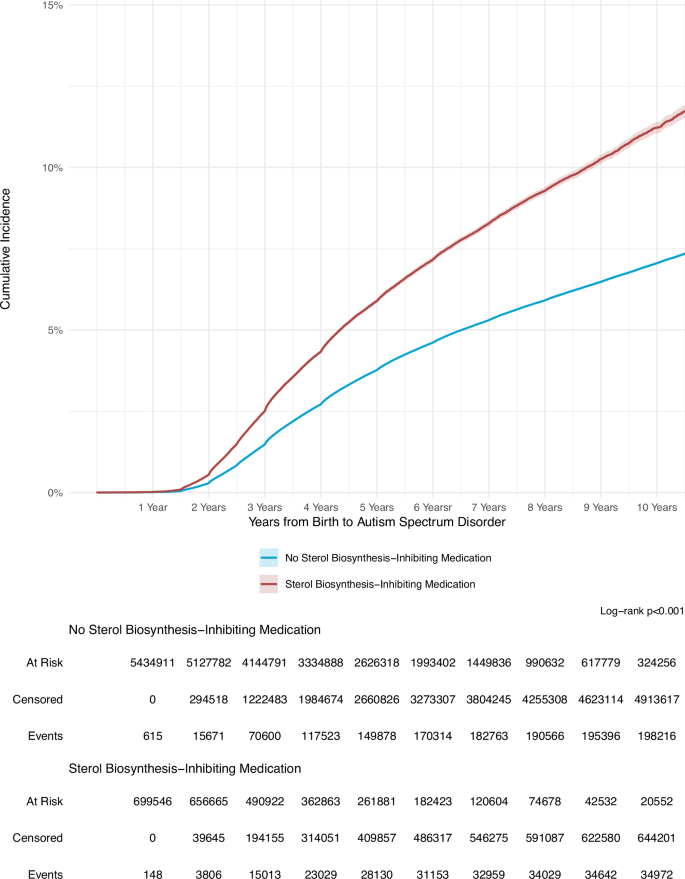
Study Links Antidepressants, Beta-blockers and Statins To Increased Autism Risk

An analysis of 6.14 million maternal-child health records  has linked prescription medications...

Pilot Study: Fibromyalgia Fatigue Improved By TENS Therapy

Fibromyalgia is the term for a poorly-understood condition where people experience pain and fatigue...

User picture.
News StaffRSS Feed of this column.

News Releases From All Over The World, Right To You... Read More »

Blogroll
The dose makes the poison, it is often said. And that can be the case even with beneficial products like Acetaminophen.

Acetaminophen is a commonly used pain reliever that is available in over-the-counter products (Tylenol®) and prescription medications, where it is combined with opioid analgesics (i.e., fixed-dose combination products).  For example, acetaminophen in combination with the opioid hydrocodone (Vicodin® and its generic formulations) was the most prescribed medication in the U.S. each year from 2007 through 2011, according to a report by the IMS Institute of Healthcare Informatics.1 

Evidence collected over a period of 16 years by NASA's Rossi X-ray Timing Explorer, a satellite in low-earth orbit equipped with instruments that measured variations in X-ray sources, has led to a paper in the Monthly Notices of the Royal Astronomical Society showing huge clouds of gas orbiting supermassive black holes at the centers of galaxies.

Picture a single cloud large enough to span the solar system from the sun to beyond Pluto's orbit. Now imagine many such clouds orbiting in a vast ring at the heart of a distant galaxy, occasionally dimming the X-ray light produced by the galaxy's monster black hole.

Arid areas are among the biggest (non-ocean) ecosystems we have and it turns out they take up higher levels of carbon as levels of carbon dioxide increase in the atmosphere.

The findings give scientists a better idea of the earth's "carbon budget" — how much carbon remains in the atmosphere as CO2 and is a concern for global warming and how much actually gets stored in the land or ocean in other carbon-containing forms.

Lindsay says that around 50 distinct signal burst characteristics were used in the amino acid identifications, but that most of the discriminatory power is achieved with 10 or fewer signal traits.

Remarkably, recognition tunneling not only pinpointed amino acids with high reliability from single complex burst signals, but managed to distinguish a post-translationally modified protein (sarcosine) from its unmodified precursor (glycine) and also to discriminate between mirror-image molecules knows as enantiomers and so-called isobaric molecules, which differ in peptide sequence but exhibit identical masses.

Pathway to the $1000 dollar proteome?

The transfer, via a viral vector, of a normal copy of the gene deficient in patients, allowed to fully and very rapidly cure the heart disease in mice. These findings are published in Nature Medicine on 6 April, 2014.

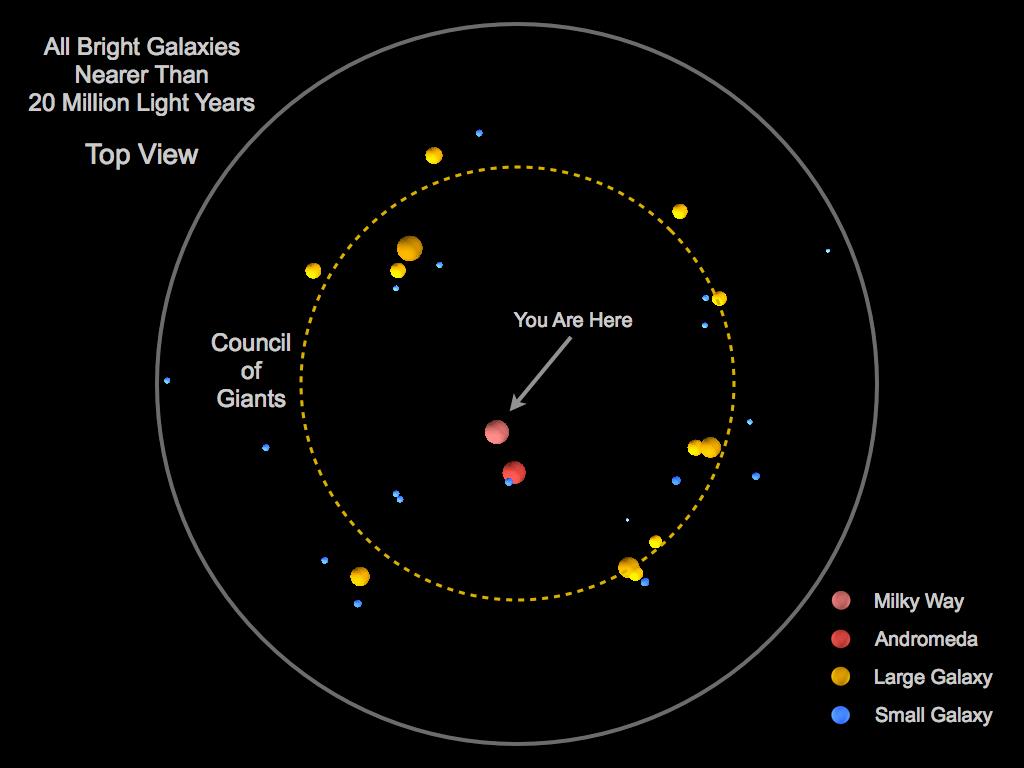
The universe is big - really big. Just our Milky Way galaxy alone is about 300 billion stars, with planets whizzing around them and clouds of gas and dust floating in between.

Then there is our orbiting companion, the Andromeda Galaxy and a small group of galaxies in our Local Group, which is about 3 million light years across.

What is in the vast unknown remains a mystery but a recent paper shed light on our immediate neighborhood - bright galaxies within 35-million light years of the Earth.