Banner
Synchrotron Could Shed Light On Exotic Dark Photons

There are many hypothetical particles proposed to explain dark matter and one idea to explore how...

The Pain Scale Is Broken But This May Fix It

Chronic pain is reported by over 20 percent of the global population but there is no scientific...
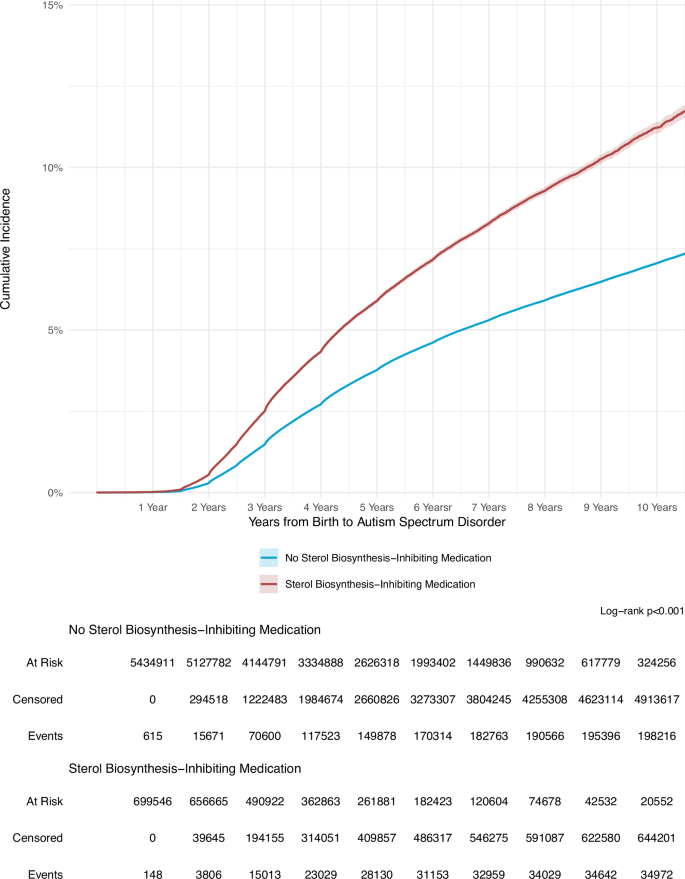
Study Links Antidepressants, Beta-blockers and Statins To Increased Autism Risk

An analysis of 6.14 million maternal-child health records  has linked prescription medications...

Pilot Study: Fibromyalgia Fatigue Improved By TENS Therapy

Fibromyalgia is the term for a poorly-understood condition where people experience pain and fatigue...

User picture.
News StaffRSS Feed of this column.

News Releases From All Over The World, Right To You... Read More »

Blogroll

CAMBRIDGE, Mass-- The electrochemical reactions inside the porous electrodes of batteries and fuel cells have been described by theorists, but never measured directly. Now, a team at MIT has figured out a way to measure the fundamental charge transfer rate — finding some significant surprises.

The study found that the Butler-Volmer (BV) equation, usually used to describe reaction rates in electrodes, is inaccurate, especially at higher voltage levels. Instead, a different approach, called Marcus-Hush-Chidsey charge-transfer theory, provides more realistic results — revealing that the limiting step of these reactions is not what had been thought.

Russia has control over energy supplies and distribution systems in Ukraine and that means they control energy supplies in Western Europe.

It's made a lot of Russians rich and prevents Europe from taking any meaningful stance on Russian aggression in Crimea. Solar power subsidies are not going to be much help if Russia shuts off the power.
Glenmark Pharmaceuticals has announced that GRC 27864 is entering human trials.  GRC 27864  targets Microsomal Prostaglandin E synthase-1 (mPGES-1) as a therapeutic target in pain management. Selective mPGES-1 inhibitors are expected to inhibit increased prostaglandin E2 (PGE2) production in the disease state without affecting other prostanoid metabolites and, consequently, may be devoid of the GI (gastrointestinal) and cardiovascular side effects seen with NSAIDs and COX-2 inhibitors, respectively.

Scientific uncertainly prevents definitive solutions (beyond putting a stop to the world and leaving poor people to a future with no food, water or air conditioning) but the stance that the issue is settled, even when solutions may not be effective, also leads to public mistrust and name-calling.

But that uncertainty should actually make us more rather than less concerned about climate change, according to two papers in Climatic Change which investigated the mathematics of uncertainty in the climate system and showed that increased scientific uncertainty necessitates even greater action to mitigate climate change. 

PHILADELPHIA—(April 4, 2014)— Colorectal cancer develops in what is probably the most complex environment in the human body, a place where human cells cohabitate with a colony of approximately 10 trillion bacteria, most of which are unknown. At the 2014 American Association for Cancer Research Annual Meeting in San Diego, researchers from The Wistar Institute will present findings that suggest the colon "microbiome" of gut bacteria can change the tumor microenvironment in a way that promotes the growth and spread of tumors.

A University of Colorado Cancer Center study published today in Journal of the National Cancer Institute (with related research being presented this weekend at the American Association for Cancer Research Annual Conference 2014) details the discovery of a new genetic driver of bladder cancer: silencing of the gene AGL.

"We tend to think of cancer resulting from mutations that let genes make things they shouldn't or turn on when they should be quiet. But cancer can also result from loss of gene function. Some genes suppress cancer. When you turn off these suppressors, cancer grows," says Dan Theodorescu, MD, PhD, director of the University of Colorado Cancer Center and the study's senior author.