Banner
Synchrotron Could Shed Light On Exotic Dark Photons

There are many hypothetical particles proposed to explain dark matter and one idea to explore how...

The Pain Scale Is Broken But This May Fix It

Chronic pain is reported by over 20 percent of the global population but there is no scientific...
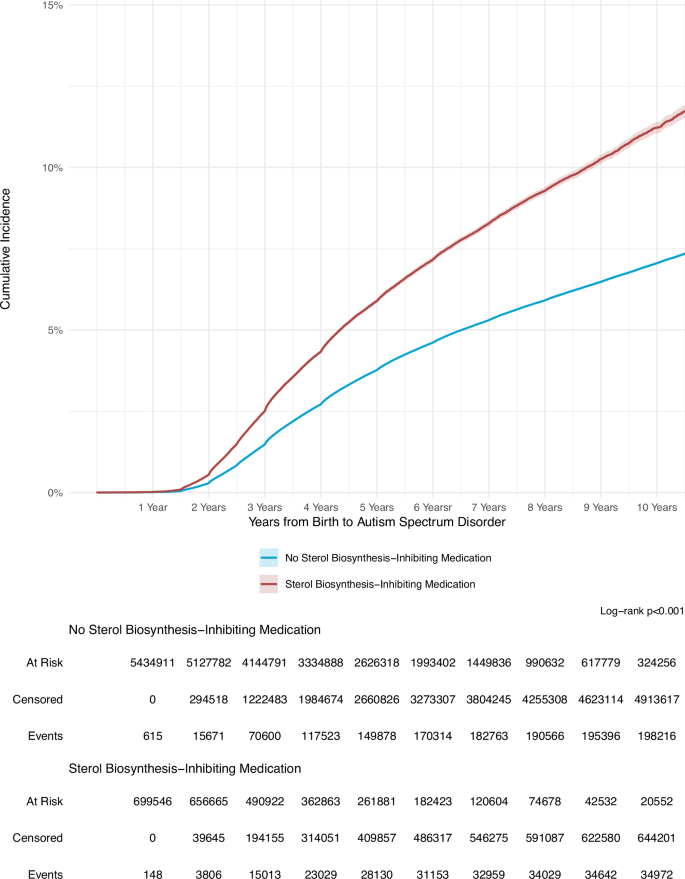
Study Links Antidepressants, Beta-blockers and Statins To Increased Autism Risk

An analysis of 6.14 million maternal-child health records  has linked prescription medications...

Pilot Study: Fibromyalgia Fatigue Improved By TENS Therapy

Fibromyalgia is the term for a poorly-understood condition where people experience pain and fatigue...

User picture.
News StaffRSS Feed of this column.

News Releases From All Over The World, Right To You... Read More »

Blogroll

The scientific world is one step closer to understanding how nature uses carbon-capture to tame poisons, thanks to a recent discovery of cyanoformate by researchers at Saint Mary's University (Halifax, Canada) and the University of Jyväskylä (Finland). This simple ion — which is formed when cyanide bonds to carbon dioxide — is a by-product of the fruit-ripening process that has evaded detection for decades.

Chemists have long understood the roles presence of cyanide (CN−) and carbon dioxide (CO2) in fruit ripening, but have always observed them independently. This is the first time scientists have isolated the elusive cyanoformate anion (NCCO2−) and characterized its structure using crystallography and computational chemistry.

HOUSTON -- Under stress from chemotherapy or radiation, some cancer cells dodge death by consuming a bit of themselves, allowing them to essentially sleep through treatment and later awaken as tougher, resistant disease.

Interfering with a single cancer-promoting protein and its receptor can turn this resistance mechanism into lethal, runaway self-cannibalization, researchers at The University of Texas MD Anderson Cancer Center report in the journal Cell Reports.

Montreal, April 3, 2014 – Bruno Giros, PhD, a researcher at the Douglas Mental Health University Institute and a professor in the Department of Psychiatry at McGill University, has demonstrated, for the first time, the role that dopamine plays in a region of the brain called the hippocampus. Published in Biological Psychiatry, this discovery opens the door to a better understanding of psychiatric diseases, such as schizophrenia.

Dopamine is a neurotransmitter that plays a central role in brain function, and many mental illnesses involve an imbalance in this chemical. What Bruno Giros has shown in particular is that dopamine is present in the hippocampus—the brain area associated with memory and learning—and that it plays a key role in this region.

A University of Colorado Cancer Center study recently published in the journal Cell Reports and presented today at the American Association for Cancer Research (AACR) Annual Conference 2014 shows that the cellular process of autophagy in which cells "eat" parts of themselves in times of stress may allow cancer cells to recover and divide rather than die when faced with chemotherapies.

Chestnut Hill, MA (April 5, 2014) – A survey of science teachers finds they support a new approach to science education, but they struggle to believe that all students are capable of exploring science using a method called argumentation, according to researchers from the Lynch School of Education at Boston College.

Furthermore, teachers in low-income schools said the pressure to meet testing requirements curbs the use of argumentation in their lessons, according to the findings, which were presented today at the American Educational Research Association annual meeting in Philadelphia.

Sorry Batman, the dark knight persona is going exactly where Frank Miller predicted it would three decades ago in "The Dark Knight Returns" - you are going to be labeled an over-medicated, mentally disturbed sociopath.

The over-medicated may be right. The recent shooting at Fort Hood in Texas was in a "gun-free" zone but a soldier who had never been in combat was still on prescription medication for psychiatric issues related to combat zone trauma. As long as psychiatry remains trapped in the symptom-based world of the past, it is going to be the case that someone who complains enough will get a prescription.