

Banner
Synchrotron Could Shed Light On Exotic Dark Photons

There are many hypothetical particles proposed to explain dark matter and one idea to explore how...

The Pain Scale Is Broken But This May Fix It

Chronic pain is reported by over 20 percent of the global population but there is no scientific...
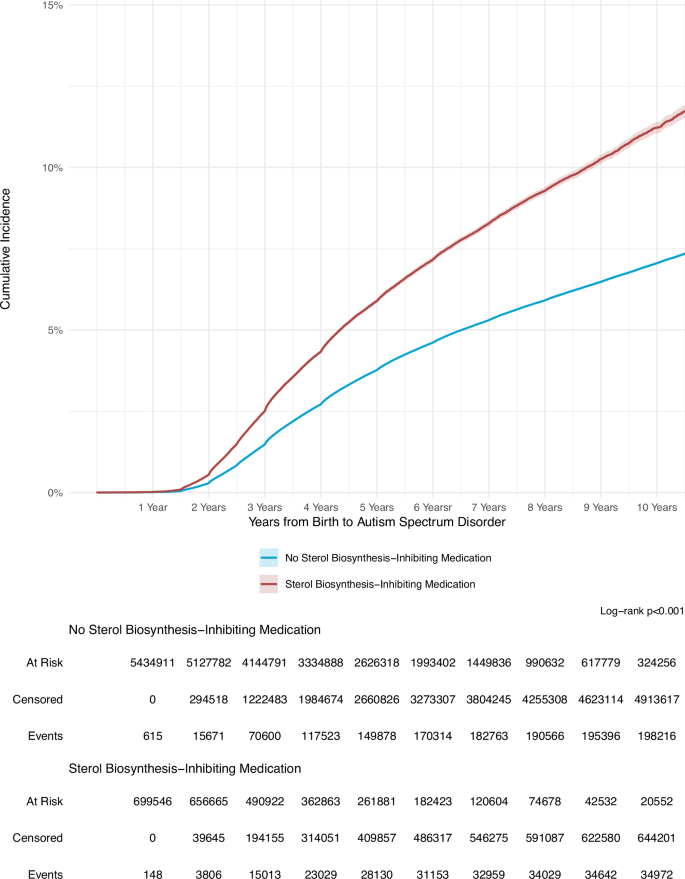
Study Links Antidepressants, Beta-blockers and Statins To Increased Autism Risk

An analysis of 6.14 million maternal-child health records  has linked prescription medications...

Pilot Study: Fibromyalgia Fatigue Improved By TENS Therapy

Fibromyalgia is the term for a poorly-understood condition where people experience pain and fatigue...

User picture.
News StaffRSS Feed of this column.

News Releases From All Over The World, Right To You... Read More »

Blogroll

Wildlife fences are constructed for lots of reasons, including having them killed by cars (and people along with them) to prevent the spread of disease and to protect small small populations of threatened species.

Near more populated areas, the concern is different; predatory animals will wantonly kill livestock and ruin crops, a few threaten human lives.

Separating people and wildlife by fencing is a mutually beneficial way to avoid detrimental effects but a paper in Science, clearly written by people who clearly do not live near bears, wolves or mountain lions, argues it is a last resort.

Oregon State University chemists have discovered how to use the sun as more than just a way to harvest passive energy - they can use it to directly produce the solar energy materials that make energy harvesting possible.

This breakthrough by chemical engineers at Oregon State University could soon reduce the cost of solar energy, speed production processes, use environmentally benign materials, and make the sun almost a "one-stop shop" that produces both the materials for solar devices and the eternal energy to power them.

If we describe the feeling of someone drilling an icicle into their temple, throwing up, and light and sound being unbearable, migraine sufferers know just what we mean.

Despite extensive cultivation and testing of GM foods, questions related to whether genetic manipulation causes changes in food quality and composition or if genetically modified foods are somehow less nutritious than their non-GM counterparts linger in the minds of some consumers. 

In research led by Owen Hoekenga, a Cornell University adjunct assistant professor, scientists extracted roughly 1,000 biochemicals, or "metabolites," from the fruit of tomatoes. These tomatoes had been genetically engineered to delay fruit ripening, a common technique to help keep fruits fresher longer. The researchers then compared this "metabolic profile" from the GM fruit to the profile of its non-GM variety.

Up to 7% of Americans married between 2005-2012 say they met on social networking sites. This has led to a rash of claims by marketing groups for dating sites that it is the future of romance and that more marriages happen to their technology. Between 3 and 6% of couples say they met that way.

But how much is technology a factor versus other factors? How do couples compare to couples who met through other types of online meetings or the "old-fashioned" way in terms of age, race, frequency of Internet use, and other factors? In an article on the subject, Jeffrey Hall, PhD, a communications scholar at University of Kansas, Lawrence, describes the characteristics that are more common among recently married individuals who met online via social networking sites. 

The mammalian heart has generally been considered to lack the ability to repair itself after injury, but a 2011 study in newborn mice challenged this view, providing evidence for complete regeneration after resection of 10% of the apex, the lowest part of the heart. In a study published by Cell Press in Stem Cell Reports on April 3, 2014, researchers attempted to replicate these recent findings but failed to uncover any evidence of complete heart regeneration in newborn mice that underwent apex resection.



