Banner
Here's Where Your Backyard Was 300 Million Years Ago

We may use terms like "grounded" and terra firma to mean stability and consistency but geology...

Convergent Evolution Cheat Sheet Now 120 Million Years Old

One tenet of natural selection is a random walk of genes but nature may be more predictable than...

Synchrotron Could Shed Light On Exotic Dark Photons

There are many hypothetical particles proposed to explain dark matter and one idea to explore how...

The Pain Scale Is Broken But This May Fix It

Chronic pain is reported by over 20 percent of the global population but there is no scientific...

User picture.
News StaffRSS Feed of this column.

News Releases From All Over The World, Right To You... Read More »

Blogroll

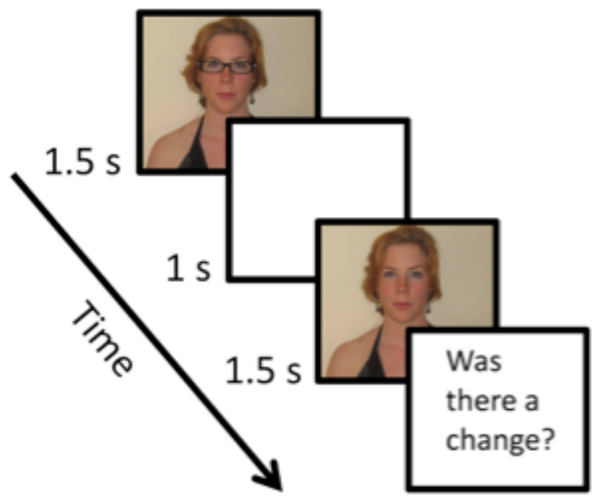
A paper has determined that while people can reliably become aware of changes - visual awareness can extend beyond objects we focus on - that doesn't mean we can identify what has changed.  Their example is that a person might notice a general change in someone's appearance but not be able to identify that the person had had a haircut.  

Lead author Dr. Piers Howe from the Melbourne School of Psychological Sciences said the research is the first to show in a scientific study that people can reliably sense changes that they cannot visually identify. 

You may think you eat too much but humans (and other primates) actually burn 50% fewer calories each day than other mammals, according to a study in the Proceedings of the National Academy of Sciences.

Our remarkably slow metabolisms explain why humans and other primates grow up slowly and live long lives.

A new blood test developed by ImmusanT in Boston and the Walter and Eliza Hall Institute can rapidly and accurately diagnose celiac disease without the need for prolonged gluten exposure, according to a preliminary result with 48 participants.

The new diagnostic test gave a result within 24 hours and the preliminary findings indicated it could accurately detect celiac disease. Larger studies will be needed to verify the results.

For decades, some minority students (blacks, Latinos, native Americans) were given preferential treatment in college admissions while other minorities (Asians) were penalized. This posed a legal and cultural dilemma. Stipulating that recruitment must occur “without regard to race, color, or creed” except for certain groups was seemingly in conflict with the 14th Amendment to the Constitution, which forbids consideration of race.

A little studied chemical compound dubbed BMH-21 targets and shuts down a common cancer process in laboratory-grown human tumor cell lines.  BMH-21  disrupted tumor cell division and prevented growth of advanced cancer cells. 

Johns Hopkins researcher Marikki Laiho, M.D., Ph.D., and colleagues focused on the ability ofBMH-21 to sabotage the transcription pathway RNA Polymerase pathway (POL I), shutting down the ability of mutant cancer genes to communicate with cells and replicate. Their research linked the pathway to p53 gene activity. P53 is a tumor suppressor gene, a protein that regulates cell growth, and it is the most frequently mutated suppressor gene in cancer.

The retina can be bombarded by reactive oxygen species in diabetes, prompting events that destroy healthy blood vessels, form leaky new ones and ruin vision, and now researchers have learned that those chemically reactive molecules must come from both the bone marrow as well as the retinal cells themselves to cause such serious consequences.

Excessive glucose in the blood prompts excessive production of reactive oxygen species, or ROS, and the light-sensitive retina is particularly vulnerable. Caldwell's research team had previously documented that ROS from white blood cells produced by the bone marrow as well as from retinal cells were the major instigators in diabetic retinopathy, a leading cause of blindness worldwide. But they weren't sure which mattered most.