Banner
Pilot Study: Fibromyalgia Fatigue Improved By TENS Therapy

Fibromyalgia is the term for a poorly-understood condition where people experience pain and fatigue...

High Meat Consumption Linked To Lower Dementia Risk

Older people who eat large amounts of meat have a lower risk of dementia and cognitive decline...

Long Before The Inca Colonized Peru, Natives Had A Thriving Trade Network

A new DNA analysis reveals that long before the Incan Empire took over Peru, animals were...

Mesolithic People Had Meals With More Tradition Than You Thought

The common imagery of prehistoric people is either rooting through dirt for grubs and picking berries...

User picture.
News StaffRSS Feed of this column.

News Releases From All Over The World, Right To You... Read More »

Blogroll
In Ely, about 250 north of Las Vegas, Nevada is scheduled to hold its first execution in 12 years.

Nothing controversial about that, because in 2002 Scott Dozier murdered Jeremiah Miller after he traveled to Las Vegas where Dozier had promised to help him make methamphetamine. Dozier dumped him in a trash bin, three years later killed at least one other person, and has been on "death row" since 2007.  And nothing controversial about Dozier wanting to die rather than spend the rest of his life in prison.
Genetic testing has been overcome by companies selling hype. Even 23andMe, arguably the most prominent, was chastised by FDA for promising peace of mind when they couldn't do anything of the kind.

What about actual research involving the testing of human biospecimens? Should individual research results on a study-specific basis be done through an informed decision-making process? If so, how? And when? 
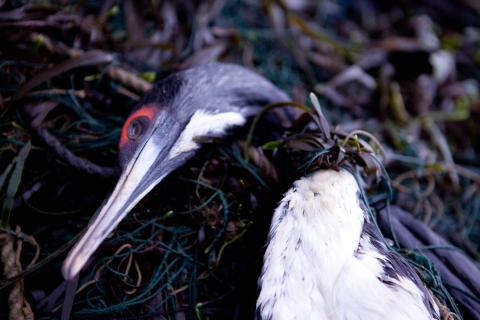
Seabirds love fish and fishing nets are a ready source of food. Peru's gillnet fleet comprises the largest component of that nation's small-scale fleet and is conservatively estimated to set 100,000 kilometers of net per year in which thousands of turtles and seabirds die as "bycatch" or unintentionally.
Five years ago, California set out to be a world leader in adopting ambitious greenhouse gas reduction targets and created the world's fourth-largest carbon-trading program. Not bad for one state.

Except it isn't helping the state, it is subsidizing others. And some of the emissions targets are not emissions at all, they are instead epidemiological claims like small micron particulate matter (PM2.5), which have had zero acute deaths but were the target of EPA and California environmentalists despite a lack of evidence.
Worldwide poverty has dropped dramatically, we are in the Long Peace when it comes to war, the old cycles of famine boom and bust have leveled off, science has made it possible for everyone to live better for longer and spend less on basic necessities.

The world continues to improve. Why, then, do polls consistently show that people believe otherwise? The answer may lie in a phenomenon called "prevalence induced concept change."
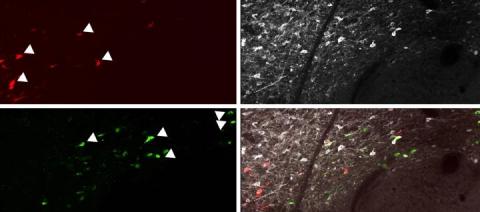
Fear is a healthy response, kept intact over eons of evolution, but sometimes it can be irrational. A new brain circuit discovery may help make sense of the madness. The study details the role of dopamine in ensuring that rats stop being afraid when there isn't anything to be afraid of anymore.