Aging is unavoidable - except perhaps for the brain, say researchers. They also present counterintuitive evidence that it is what you do in old age that matters when it comes to maintaining a youthful brain - not what you did earlier in life.
Education alone won't save your brain; PhDs are as likely as high school dropouts to experience memory loss with old age. Don't count on your job either - those with a complex or demanding career may enjoy a limited advantage, but those benefits quickly dwindle after retirement.
Instead, engagement is the secret to success. Those who are socially, mentally and physically stimulated reliably show greater cognitive performance with a brain that appears younger than its years.
Gobies are the little fish you may have seen under the pier or swimming around your feet in salty water if you’ve visited the coasts of Western Europe. These seemingly boring brownish fish live a hectic life, lasting only one year. Up close, the gobies are as glamorous as gold fish, in orange fish frocks and shiny bellies full of eggs.
Secretly, they are the stars of “Fishteria Lane.” As the mating season draws to an end, guys drop dead by the hour, making goby girls go all out in their hunt for a mate to father their offspring.
There's no time to be coy.
Researchers have presented clinical evidence that the drug gabapentin, currently on the market to treat neuropathic pain and epilepsy, also helps people to quit smoking marijuana (cannabis). Unlike traditional addiction treatments, gabapentin targets stress systems in the brain that are activated by drug withdrawal.
In a 12-week trial of 50 treatment-seeking cannabis users, those who took gabapentin used less cannabis, experienced fewer withdrawal symptoms, like sleeplessness, and scored higher on tests of attention, impulse-control, and other cognitive skills, compared to patients who received a placebo. If these results are confirmed by ongoing larger trials, gabapentin could become the first FDA-approved pharmaceutical treatment for cannabis dependence.
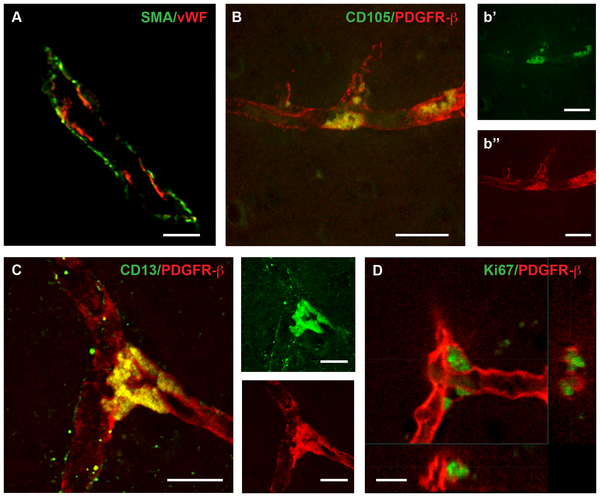
A new stem cell has been found that can proliferate and form several different cell types, including new brain cells. This discovery may be used to develop methods that can repair diseases and injury to the brain.
Analyzing brain tissue from biopsies, the researchers for the first time found stem cells located
around small blood vessels in the brain. The cell’s specific function is still unclear, but its plastic properties suggest great potential. A similar cell type has been identified in several other organs where it can promote regeneration of muscle, bone, cartilage and adipose tissue.
You likely knew that professional boxing causes brain damage but a new study shows it is more than just an assumption, even about amateurs. Researchers analyzing 30 top-level Swedish boxers found changes in brain fluids after bouts, which indicates nerve cell damage.
It has been debated for quite some time whether Olympic (amateur) boxing is hazardous to the brain. Researchers at the Sahlgrenska Academy, Gothenburg University, joined with colleagues at the Faculty of Health Sciences at Linköping University and the Swedish Boxing Association in conducting a unique study of 30 top-level Swedish boxers and 25 reference persons. What they found was that boxers even in amateur bouts with headgear had brain injury similar to Alzheimers.
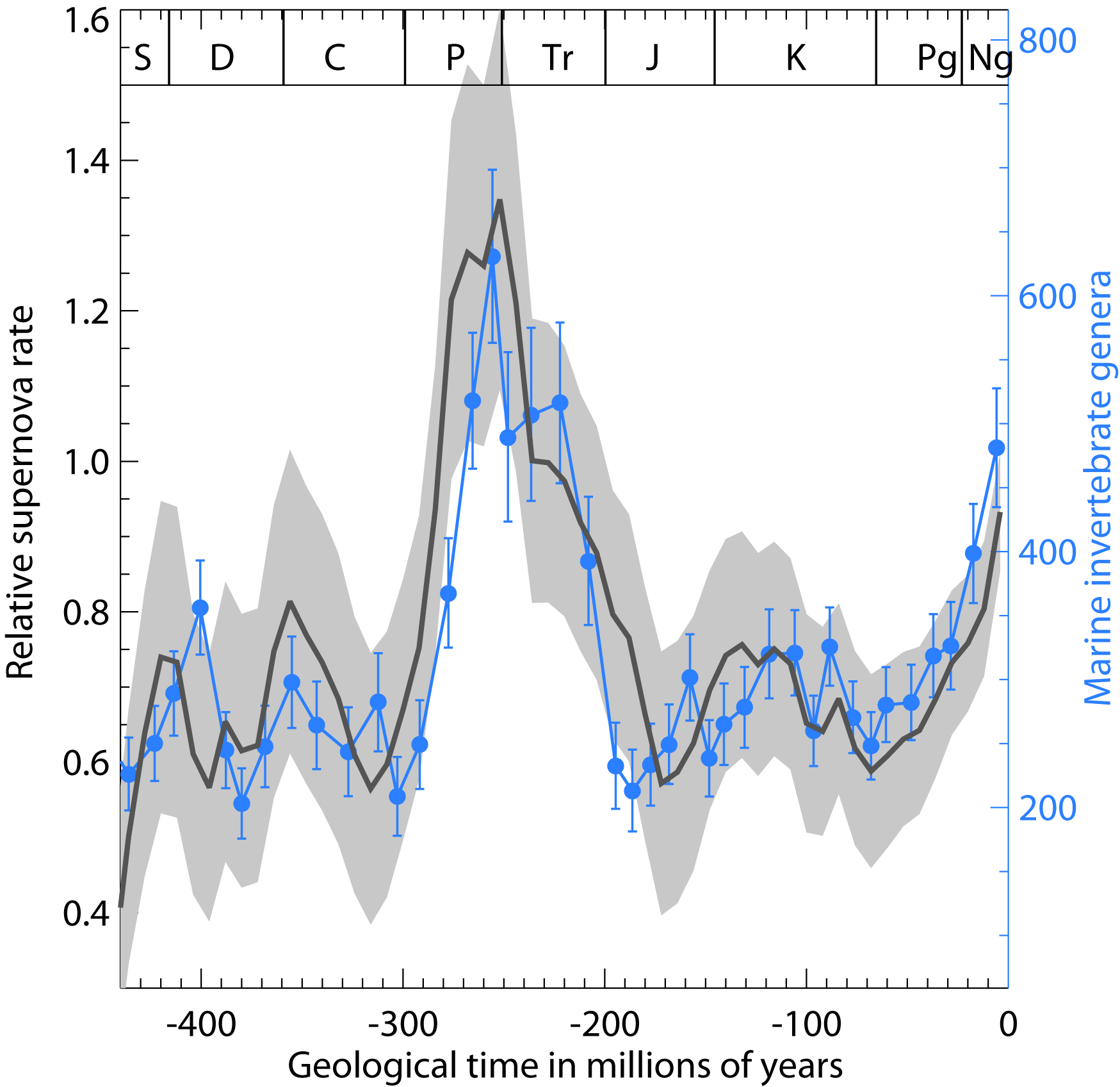
Research suggests that the explosion of massive stars near the Solar System has strongly influenced the development of life.
When the most massive stars exhaust their available fuel and reach the end of their lives, they explode as supernovae, tremendously powerful explosions that are brighter than an entire galaxy of normal stars. The remnants of these dramatic events also release vast numbers of high-energy charged particles known as galactic cosmic rays (GCR). If a supernova is close enough to the Solar System, the enhanced GCR levels can have a direct impact on the atmosphere of the Earth.


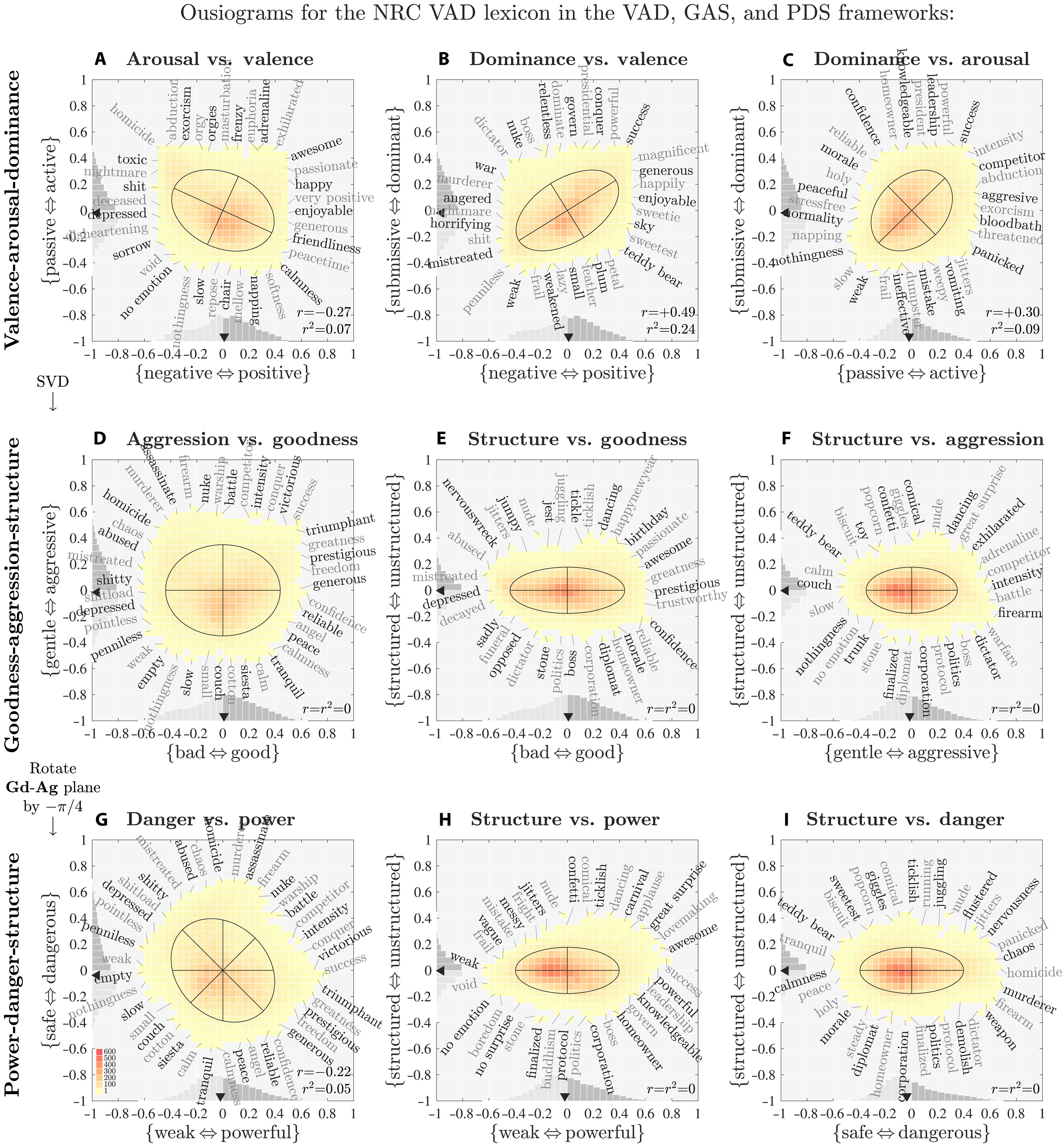 Ousiometrics Analysis Says All Human Language Is Biased
  Wavelengths Of Light Are Why CO2 Cools The Upper Atmosphere But Warms Earth
 Here's Where Your Backyard Was 300 Million Years Ago
 Convergent Evolution Cheat Sheet Now 120 Million Years Old