One strategy for tackling hard-to-treat bacterial infections could be viruses that can target and destroy bacteria. The development of such novel therapies is being accelerated in response to growing antibiotic resistance, says Dr David Harper at the Society for General Microbiology's Spring Conference in Dublin.
We all want fewer dictators getting rich holding the world hostage to the demands of legacy energy systems. And it can happen, though one anti-science contingent might not like how it gets done.
The hydrogen economy has been ready to start for decades and could begin commercial production of hydrogen in this decade - but, says Dr. Ibrahim Khamis of the International Atomic Energy Agency (IAEA) in Vienna, Austria, it will take heat from existing nuclear plants to make hydrogen economical.
At one time, J. Craig Venter, Ph.D., was a maverick outsider, determined to beat Big Science to the human genome and at a lot less cost. Now he is the ultimate insider, giving a plenary talk at the most recent American Chemical Society meeting.
An expedition to the Indonesian island of Sulawesi has led to discovery of a new 'King of Wasps' - 80 years after it was first collected.
Megalara garuda is pitch-black, has an enormous body size, and its males have long, sickle-shaped jaws. It is one the largest known members of the crabronid subfamily Larrinae.
Where would we be without fungi and microbes to break down dead trees and leaf litter in nature? Up to our eyeballs in arborial garbage, that's where.
Christopher Sommerfield, associate professor of oceanography at the University of Delaware, has found a new way to study local waterways: radioactive iodine.
That's bad, right? Maybe not. Radioactive iodine is used in medical treatments and trace amounts are entering waterways via wastewater treatment systems. That means it provides a new way to track where and how substances travel through rivers to the ocean.


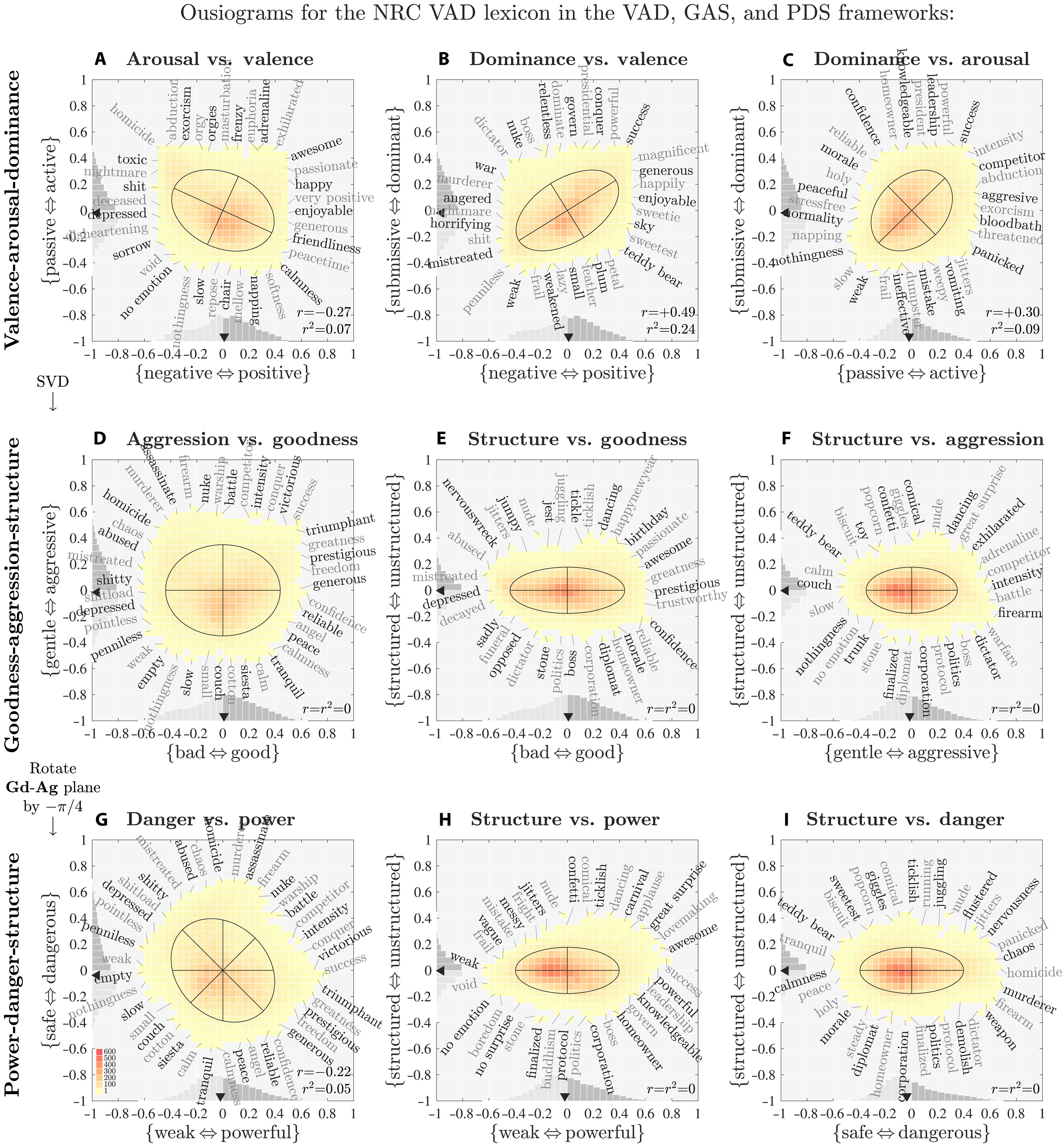 Ousiometrics Analysis Says All Human Language Is Biased
 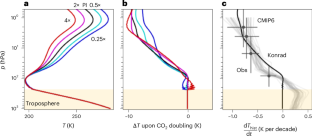 Wavelengths Of Light Are Why CO2 Cools The Upper Atmosphere But Warms Earth
 Here's Where Your Backyard Was 300 Million Years Ago
 Convergent Evolution Cheat Sheet Now 120 Million Years Old







