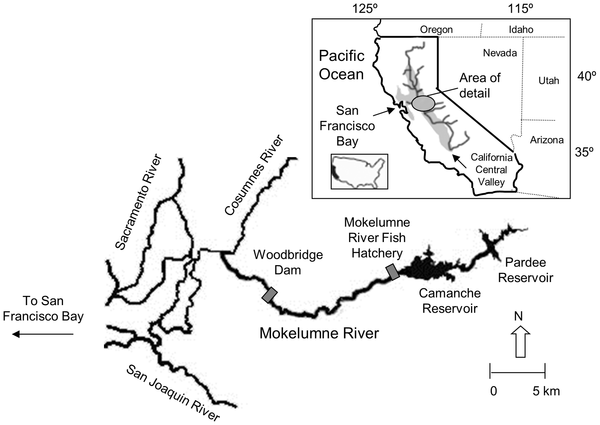
While anti-science politicians in Washington, D.C. block science solutions to harvesting more fish, a crucial piece of information about salmon isn't being considered; the numbers without a science solution only look good because of the massive influx of hatchery-raised fish that return to spawn in the wild. Only about ten percent of the fall-run Chinook salmon spawning in California's Mokelumne River are naturally produced wild salmon.
Recent research examined suicide rates north and south of the border between 1960 and 2008 and revealed the widening gap in suicide rates between Scotland and England and Wales is largely due to the number of young Scottish men taking their lives.
The suicide rate for both men and women was lower in Scotland than the rest of the United Kingdom until around 1968 when it overtook the other two but suicide rates among men continued to rise on both sides of the border until the early 1990s when rates in England and Wales began to fall. The gap between north and south widened markedly.
The deadliest mass extinction that we know of, 252 million years ago at the end of the Permian period, took a long time to kill most of Earth's life, and it killed in stages. It wasn't superior to sudden extinctions just because it was gradual.
By the end of the Permian period, Earth was almost a lifeless planet. Around 90 percent of all living species disappeared then, in what scientists have called "The Great Dying." Chemical evidence buried in rocks formed during this major extinction can tell science part of what happened.
Bacteria can multiply rapidly, potentially doubling every 20 minutes in ideal conditions but this exponential growth phase is preceded by a period known as lag phase, where no increase in cell number is seen. Lag phase was first described in the 19th Century, and was assumed to be needed by bacteria to prepare to exploit new environmental conditions - they are basically Zombies. Beyond this, surprisingly little is known about lag phase, other than bacteria are metabolically active in this period. But exactly what are bacteria doing physiologically during that time?
What is actually happening in the brain when one person looks at another?
For people with prosopagnosia, an inability to recognize faces, information processing - the stages that our brains go through to recognize a face - is breaking down.
It may turn out that coffee is bad for you. The World Health Organization already lists it as a possible carcinogen, despite any evidence, but they do the same thing about cell phones, in contrast to any evidence - perhaps Big Tea donates a lot to WHO.
Until a group more scientifically valid than WHO finds a problem with coffee, Science 2.0 will continue to push articles extolling it - the bolder the better, like us. Even decaffeinated coffee may be terrific. Researchers from Mount Sinai School of Medicine have discovered that decaffeinated coffee may improve brain energy metabolism associated with type 2 diabetes, a known risk factor for dementia and other neurodegenerative disorders like Alzheimer's disease.


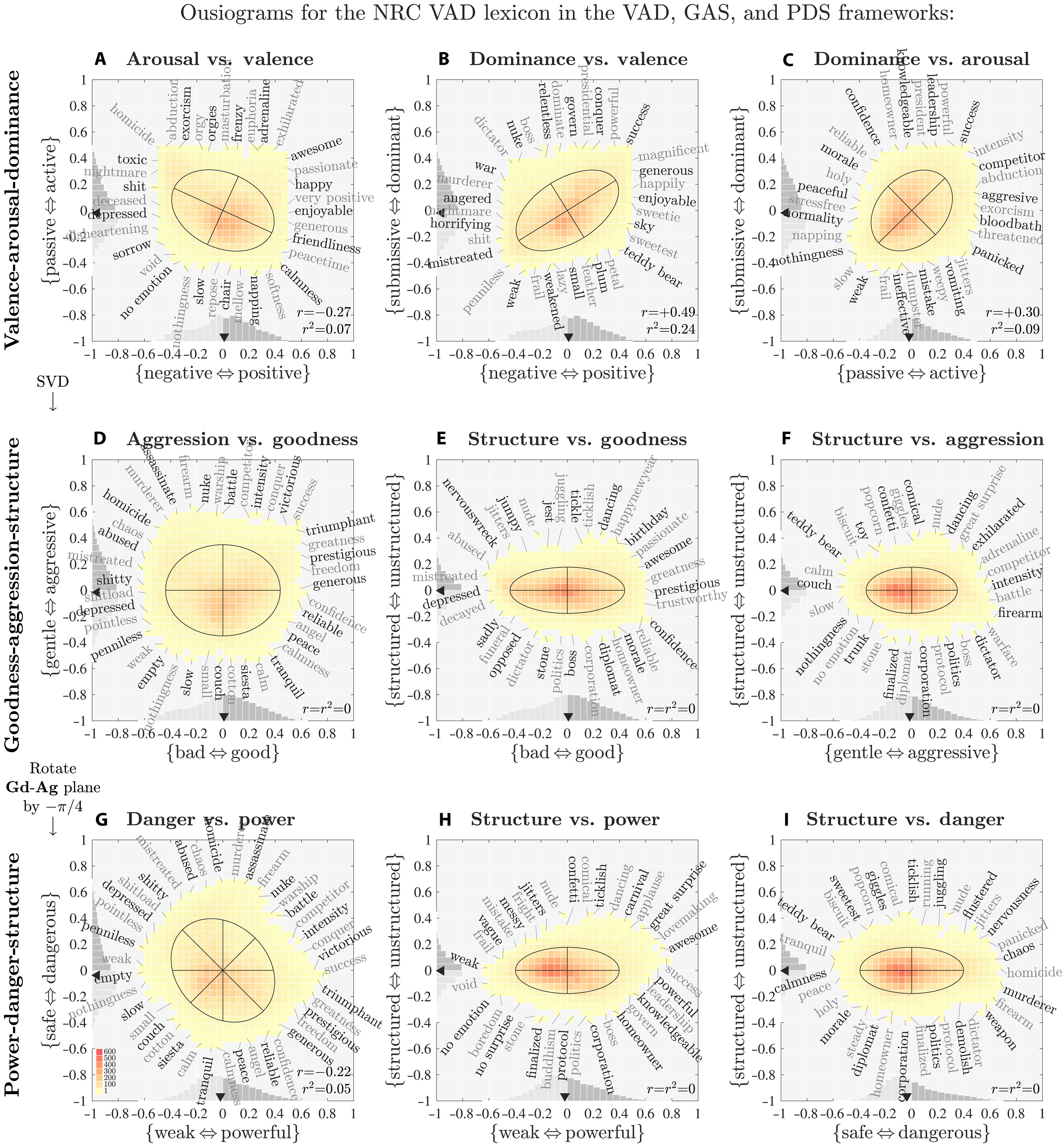 Ousiometrics Analysis Says All Human Language Is Biased
 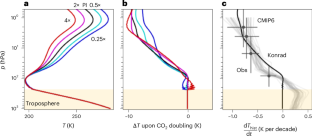 Wavelengths Of Light Are Why CO2 Cools The Upper Atmosphere But Warms Earth
 Here's Where Your Backyard Was 300 Million Years Ago
 Convergent Evolution Cheat Sheet Now 120 Million Years Old