Banner
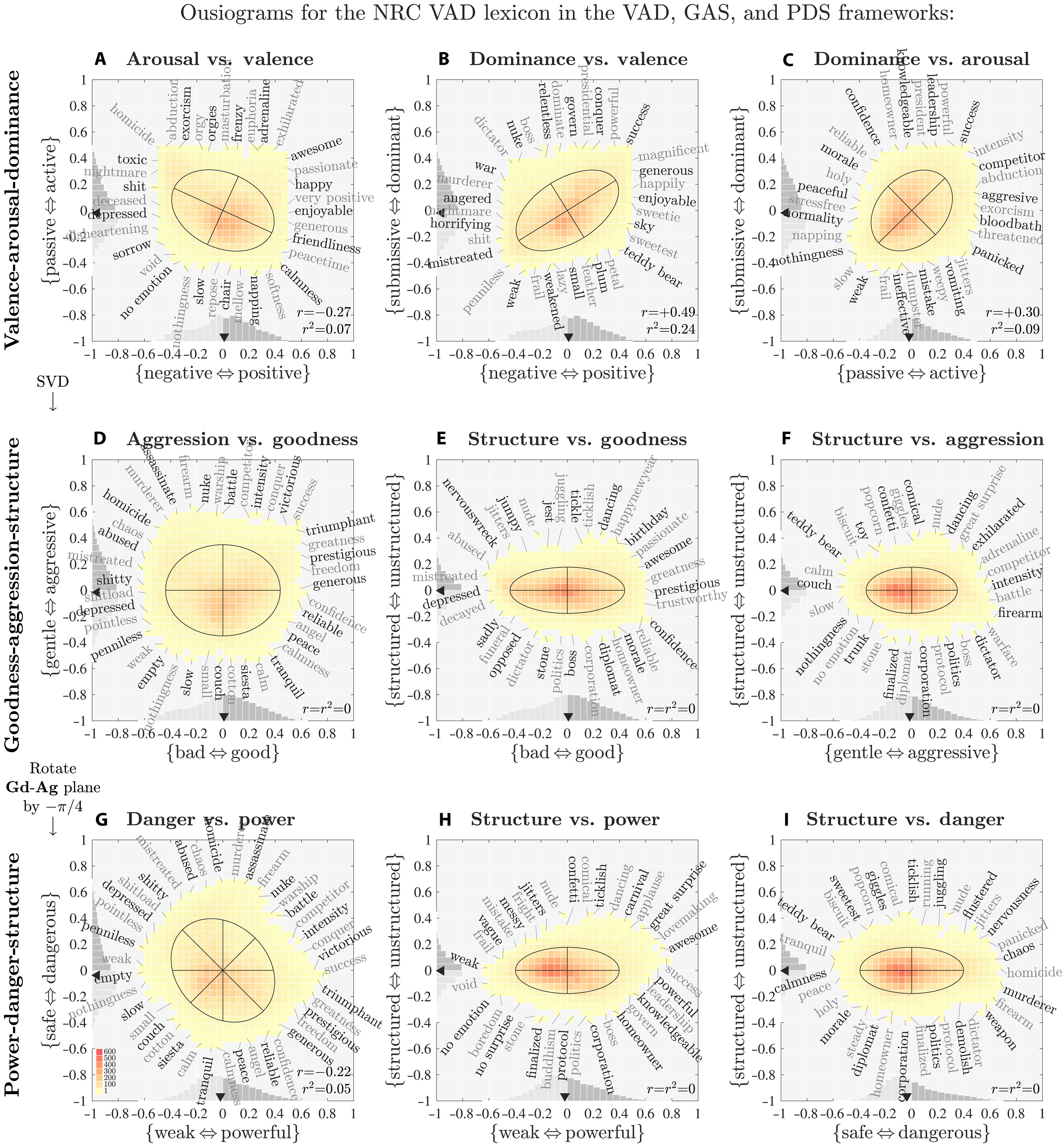
Ousiometrics Analysis Says All Human Language Is Biased

A new tool drawing on billions of uses of more than 20,000 words and diverse real-world texts claims...
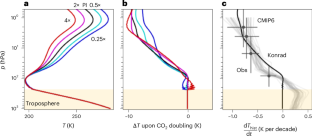
Wavelengths Of Light Are Why CO2 Cools The Upper Atmosphere But Warms Earth

There are concerns about projected warming on the Earth’s surface and in the lower atmosphere...

Here's Where Your Backyard Was 300 Million Years Ago

We may use terms like "grounded" and terra firma to mean stability and consistency but geology...

Convergent Evolution Cheat Sheet Now 120 Million Years Old

One tenet of natural selection is a random walk of genes but nature may be more predictable than...

User picture.
News StaffRSS Feed of this column.

News Releases From All Over The World, Right To You... Read More »

Blogroll

Our solar system, with planets over a range of sizes and moving in near-circular paths, seems to be unusual, according to a model in t Monthly Notices of the Royal Astronomical Society which finds that forming planetary systems may be knocked around by crashes with nearby clumps of material, leading to systems where planets have highly inclined orbits and where the smaller - and potentially habitable - worlds are thrown out completely.

Researchers  have developed an inexpensive way to grade the ethanol potential of perennial grasses at the biorefinery's loading dock - the first use of near-infrared sensing (NIRS) to measure 20 components in switchgrass biomass that determine its potential value to biorefiners. These components include cell wall sugars, soluble sugars and lignin. With this information, 13 traits can be determined, including the efficiency of the conversion from sugars to ethanol.

This is the first use of NIRS to predict maximum and actual ethanol yields of grasses from a basic conversion process. This capability already exists for corn grain using NIRS.
As health care costs continue to rise and more people want more services for less money, it will be important that doctors engage in evidence-based medicine. 

The Centers for Disease Control and Prevention (CDC) have determined that the majority of primary care providers continue to recommend annual cervical cancer screening, though cervical cancer screening guidelines recommend a combination of a Papanicolaou test and an HPV test, known as an HPV co-test, for women 30 years of age and older. 
Cancer, diabetes, stroke and transplant patients can all get benefit from one common thing; frog skin.

An international research project is collecting proteins from our amphibian friends (no frogs were harmed in the writing of this article or in the research) and adding to a growing bank of biological data needed to build up our understanding of the naturally occurring medicines in frogs.

They have already found that the peptides (mini-proteins) collected from the Waxy Monkey Frog and the Giant Firebellied Toad can be used in a controlled and targeted way to regulate 'angiogenesis', the process by which blood vessels grow in the body.  
University of Alberta researcher David Bressler has an idea for the future of recycling.

Using throwaway parts of beef carcasses that were sidelined from the value-added production process after Mad-cow disease (bovine spongiform encephalopathy or BSE) damaged the Canadian beef industry in 2003, Bressler has collaborated with industry, government and other researchers to forge cattle proteins into heavy-duty plastics that could soon be used in everything from car parts to CD cases.
Analysis of a piece of lunar rock brought back to Earth by the Apollo 16 mission in 1972 has shown that we may have been wrong about the age of the Moon.

It is commonly accepted that the Moon was created by the impact of a large planet-like object and our proto-Earth very early in the evolution of our solar system. The energy of this impact was sufficiently high that the Moon formed from melted material that began with a deep liquid magma ocean.  As the Moon cooled, this magma ocean solidified into different mineral components, the lightest of which floated upwards to form the oldest crust. Analysis of a lunar rock sample of this presumed ancient crust has given scientists new insights into the formation of the Moon.