Banner
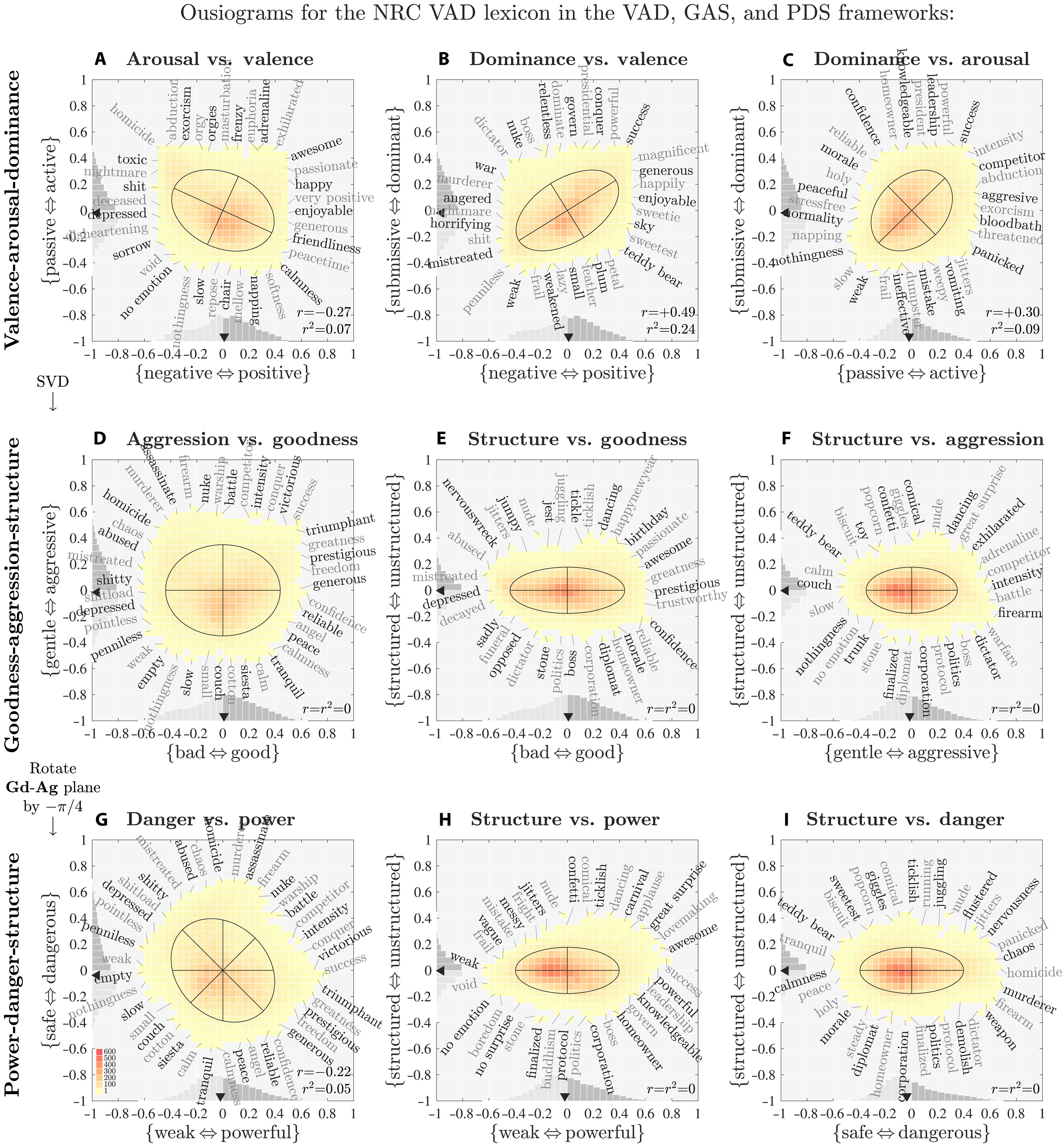
Ousiometrics Analysis Says All Human Language Is Biased

A new tool drawing on billions of uses of more than 20,000 words and diverse real-world texts claims...
Wavelengths Of Light Are Why CO2 Cools The Upper Atmosphere But Warms Earth

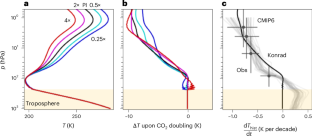
There are concerns about projected warming on the Earth’s surface and in the lower atmosphere...

Here's Where Your Backyard Was 300 Million Years Ago

We may use terms like "grounded" and terra firma to mean stability and consistency but geology...

Convergent Evolution Cheat Sheet Now 120 Million Years Old

One tenet of natural selection is a random walk of genes but nature may be more predictable than...

User picture.
News StaffRSS Feed of this column.

News Releases From All Over The World, Right To You... Read More »

Blogroll
The Wiedemann-Franz Law, named after German physicists Gustav Wiedemann and Rudolf Franz, is a ratio of the thermal to electrical conductivities of metals.   In 1853, the two studied the thermal conductivity, a measure of a system's ability to transfer heat, of a number of elemental metals and found that the ratio of the thermal to electrical conductivities was approximately the same for different metals at the same temperature.
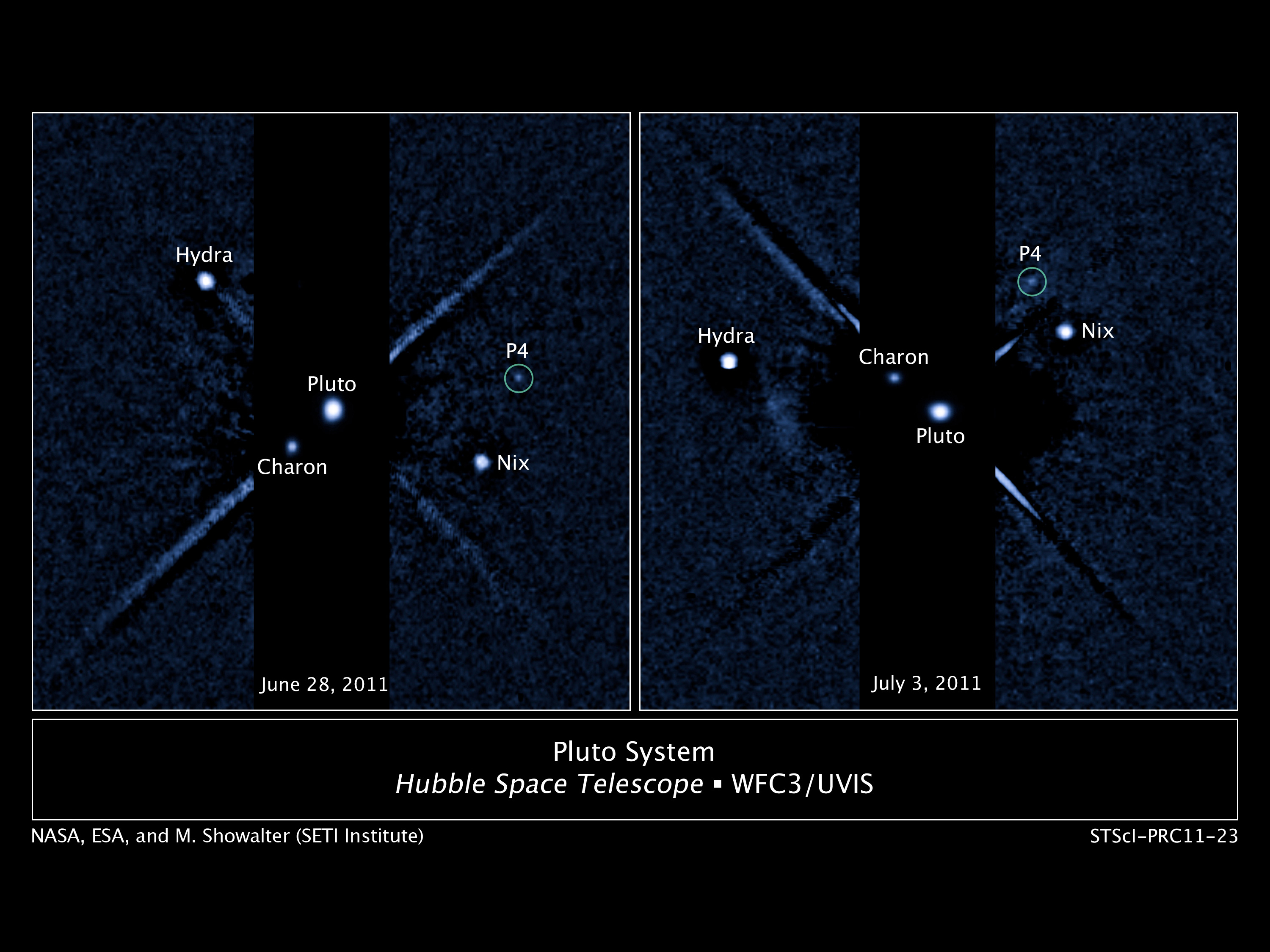
Though 2 percent of astronomers declared Pluto was no longer a planet, for not being a planet, it sure has a lot of moons.   Four so far.

The Hubble Space Telescope discovered this fourth moon, cleverly designated P4, and astronomers say this newest, smallest one has an estimated diameter of 8 to 21 miles.  By comparison, Charon, Pluto's largest moon, is 648 miles (1,043 km) across, and the other moons, Nix and Hydra, are in the range of 20 to 70 miles in diameter (32 to 113 km).

Distance: 3 billion miles.
Human-like features of the feet and gait were in existence almost two million years earlier than previously thought, according to recent analysis of ancient footprints in Laetoli, Tanzania.

Earlier studies suggested that the characteristics of the human foot, like the ability to push off the ground with the big toe and a fully upright bipedal gait, emerged in early Homo approximately 1.9 million years-ago but researchers now say that footprints of a human ancestor dating back 3.7 million years ago show features of the foot with more similarities to the gait of modern humans than with the type of bipedal walking used by chimpanzees, orangutans and gorillas.

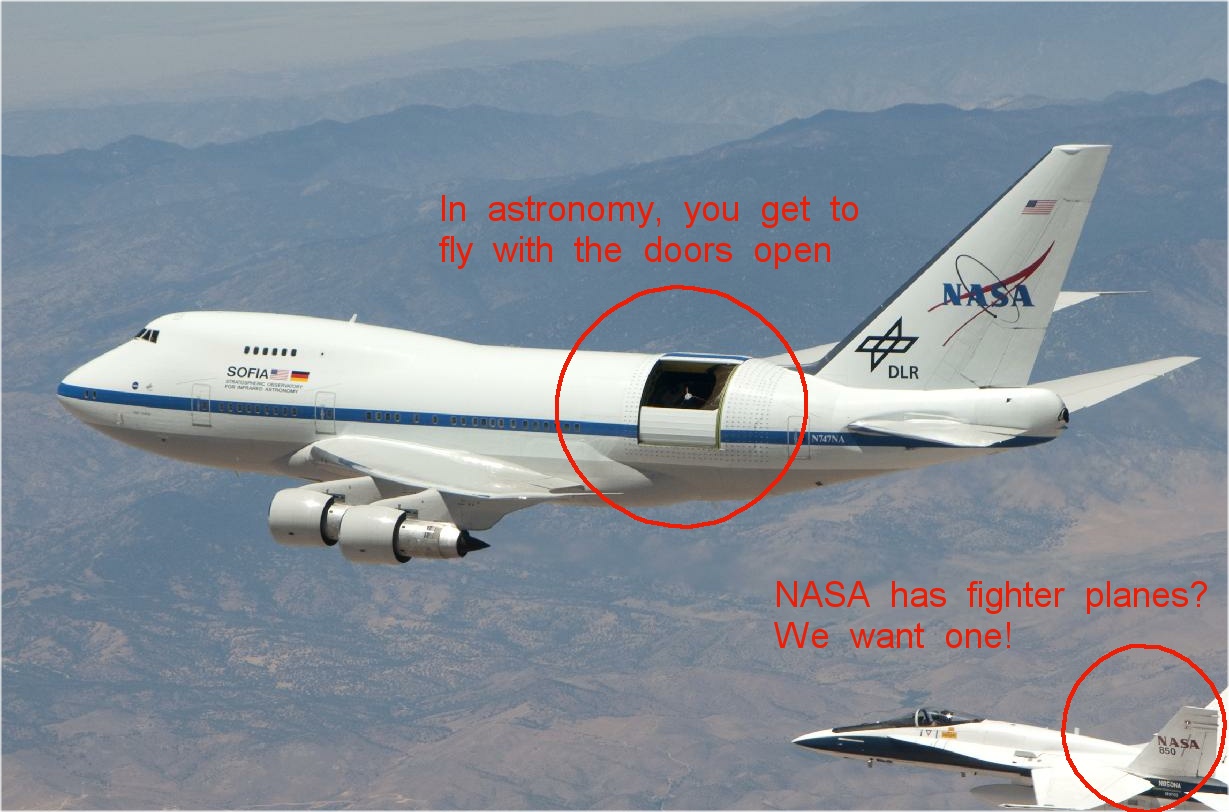
Last month, Pluto passed in front of a star and cast a small shadow on the Earth - astronomers from Lowell Observatory were among the scientists and crew who observed the rare occultation event from NASA's newest airborne observatory, SOFIA (Stratospheric Observatory for Infrared Astronomy).  

SOFIA has a 100-inch (2.5-meter) telescope aboard a modified 747 SP aircraft, and can fly at an altitude of 45,000 ft., above most of the cloud cover and water vapor in the Earth's atmosphere.

Habituation is when people lose interest in something after being repeatedly exposed to it (insert your favorite joke about being married here).

When it comes to diet, it is hypothesized that habituation can decrease caloric intake.    That also means caloric intake will increase if you get a lot of variety.   Of course, habituation is a no-no in the modern world of nutritional variety.   We're not 19th century Irish peasants, we shouldn't just eat potatoes every day in order to stay thin.

Researchers have captured the bioelectrical signals necessary for normal head and facial formation in an organism and  captured the process in a time-lapse video that reveals never-before-seen patterns of visible bioelectrical signals outlining where eyes, nose, mouth, and other features will appear in an embryonic tadpole. 

The biologists from Tufts University found that before the face of a tadpole develops, bioelectrical signals (ion flux) cause groups of cells to form patterns marked by different membrane voltage and pH levels. When stained with a reporter dye, hyperpolarized (negatively charged) areas shine brightly, while other areas appear darker, creating an "electric face."