New research has found that some of the human X chromosome originates from Neanderthals and is found exclusively in people outside Africa.
Neanderthals, whose ancestors left Africa somewhere in the range of 400,000 to 800,000 years ago, evolved in what is now France, Spain, Germany and Russia, and are believed to have lived until about 30,000 years ago. Early modern humans left Africa about 80,000 to 50,000 years ago.
Larger portions mean we eat more food but bigger bites less intuitively lead to eating less in restaurants, according to new study in the Journal of Consumer Research.
The authors conducted their study in an Italian restaurant by using two sizes of forks to manipulate bite sizes and found that diners who used large forks ate less than those with small forks.
The authors then began to investigate why this finding seems to contradict earlier research on portion sizes. "We observe that diners visit the restaurant with a well-defined goal of satiating their hunger and because of this well-defined goal they are willing to invest effort and resources to satiate their hunger goal," the authors write.
44 trillion watts of heat continually flow from Earth's interior into space. Where does it come from?
Researchers can say with 97 percent certainly that 50 percent of the heat is due to radioactive decay and other sources, like primordial heat left over from the planet's formation, must account for the rest.
Knowing that radioactive decay of uranium, thorium, and potassium in Earth's crust and mantle is a principal source, in 2005 scientists in the Kamioka Liquid-scintillator Antineutrino Detector (KamLAND) collaboration first showed that there was a way to measure the contribution directly.
Rice accounts for nearly half the daily calories for the world's population but crops are at risk from tsunamis and tidal surges and perhaps future unknown effects of climate change.
But naturally occurring fungi called endophytes might come to the rescue.
In an effort to explore ways to increase the adaptability of rice to disasters that have already led to rice shortages, USGS researchers and their colleagues colonized two commercial varieties of rice with the spores of fungi that exist naturally within native coastal (salt-tolerant) and geothermal (heat-tolerant) plants.
An unusual number of destructive storm surges along the East Coast during the 2009-2010 El Niño winter could be a taste of things to come - with more destructive storm surges in future El Niño years, according to a new study by NOAA.
El Niño conditions are characterized by unusually warm ocean temperatures in the Equatorial Pacific that normally peak during the Northern Hemisphere 'cool season.' They occur every three to five years with stronger events generally occurring every 10-15 years. El Niño conditions have important consequences for global weather patterns, and within the U.S., often cause wetter-than-average conditions and cooler-than-normal temperatures across much of the South.
New research on Jakobshavn Isbrae, a tongue of ice extending out to sea from Greenland's west coast, shows that large, marine-calving glaciers don't just shrink rapidly in response to global warming, they also grow at a remarkable pace during periods of global cooling. Glaciers change.
Through an analysis of adjacent lake sediments and plant fossils, the researchers determined that the glacier, which retreated about 40 kilometers inland between 1850 and 2010, expanded outward at a similar pace about 200 years ago, during a time of cooler temperatures known as the Little Ice Age.


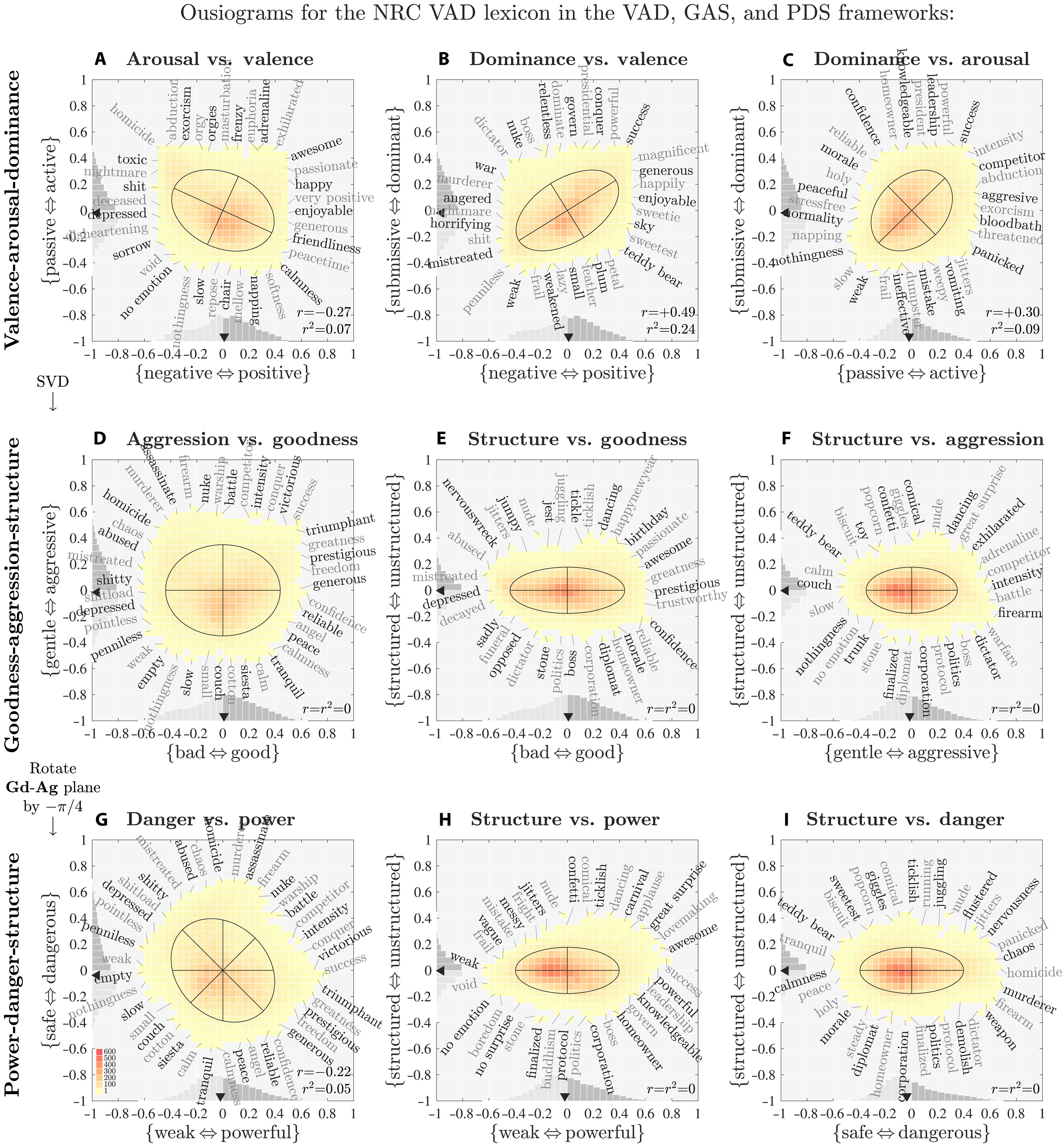 Ousiometrics Analysis Says All Human Language Is Biased
 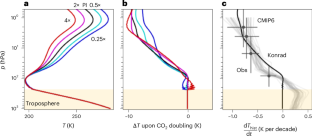 Wavelengths Of Light Are Why CO2 Cools The Upper Atmosphere But Warms Earth
 Here's Where Your Backyard Was 300 Million Years Ago
 Convergent Evolution Cheat Sheet Now 120 Million Years Old








