A gene in the nucleus of muscle and brain cells named
MLIP (Muscle enriched A-type Lamin Interacting Protein)
affects heart development and the aging process, according to a study in the Journal of Biological Chemistry .
Mutations in the Lamin gene family are associated with muscular dystrophy and other degenerative heart muscle diseases.
Aggression in mating males is a successful reproductive strategy for individuals but a numerical model says it can drive a species to extinction,
Evolutionary biologists have long debated whether the behavior of the individual is able to influence processes on a population or species level but the possibility of selection at the species level remains controversial. Using a mathematical model, an international team of researchers now say that aggressive male sexual behavior not only harms the female, but can also cause entire populations to die out.
Human embryonic stem cell research is limited in the US and Europe but creative researchers have made significant advances using the existing hESC lines allowed under US federal guidelines along with induced pluripotent stem cells and adult stem cells.
Scientists at Monash University's Immunology and Stem Cell Laboratories (MISCL) say they can now make precursor human stem cells from healthy adult kidneys without working on human embryos at all.
Could the key to our hydrogen future be a black stain on rocks?
Using sunlight to split water in a cheap, efficient way is the goal of true renewable energy that won't involve ghastly wind vanes or porkbarrelled government funding of ethanol. The obstacle is splitting water into hydrogen and oxygen and researchers have been looking into complex catalysts that mimic what plants use - but a new study says that there might be much simpler alternatives.
Thrombolytic agents, commonly called "clot-busting" drugs, are frequently used in the treatment patients with blood clots in the lungs but a new study says clot-busting drug are no more effective than traditional blood thinners for the majority of the patients who get them. Thrombolytic agents also appear to increase the risk of death in patients with normal blood pressure.
In a complex system you never know what obscure change can modify things that wouldn't seem to be related. A new study shows that variation of the scavenger receptor class B type 1 gene (SCARB1)
involved in regulating cholesterol in the bloodstream also appears to affect progesterone production in women, making it a likely culprit in a substantial number of cases of their infertility.
The group has developed a simple blood test for this variation of the scavenger receptor class B type 1 gene (SCARB1) but emphasize there is no approved therapy yet to address the problem in infertile women.


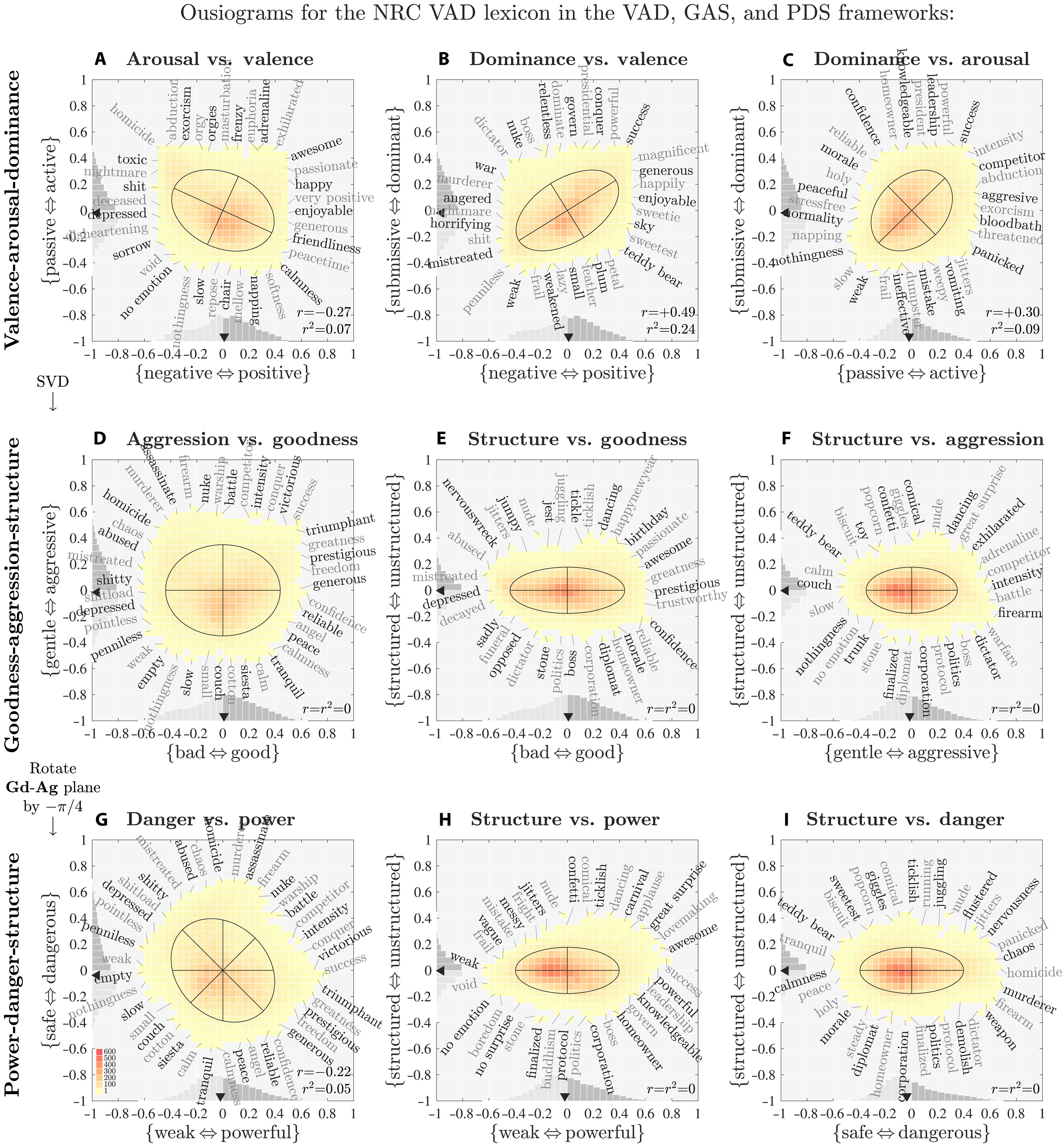 Ousiometrics Analysis Says All Human Language Is Biased
  Wavelengths Of Light Are Why CO2 Cools The Upper Atmosphere But Warms Earth
 Here's Where Your Backyard Was 300 Million Years Ago
 Convergent Evolution Cheat Sheet Now 120 Million Years Old







