Banner
Pilot Study: Fibromyalgia Fatigue Improved By TENS Therapy

Fibromyalgia is the term for a poorly-understood condition where people experience pain and fatigue...

High Meat Consumption Linked To Lower Dementia Risk

Older people who eat large amounts of meat have a lower risk of dementia and cognitive decline...

Long Before The Inca Colonized Peru, Natives Had A Thriving Trade Network

A new DNA analysis reveals that long before the Incan Empire took over Peru, animals were...

Mesolithic People Had Meals With More Tradition Than You Thought

The common imagery of prehistoric people is either rooting through dirt for grubs and picking berries...

User picture.
News StaffRSS Feed of this column.

News Releases From All Over The World, Right To You... Read More »

Blogroll

Pancreatic cancer is one of the most lethal forms of cancer. Early detection is essential to improve prognoses. Working toward that goal, a collaboration of researchers in Japan has discovered proteins in the blood which improve the detection of pancreatic cancer. When used in combination with conventional pancreatic cancer biomarkers, it enables the diagnosis of early stage pancreatic cancer, which was previously thought to be difficult.

The Biomat research group of the University of the Basque Country (UPV/EHU) is using marine waste on the Basque coast (squid, fish and algae waste) to obtain new materials. This line of research is offering a fresh take on plastics aligned with the principles of the circular economy, which is based on preserving and improving natural capital by controlling finite stocks and balancing the flows of renewable resources.

In this context, the group’s research is highlighting, in particular, the upgrading of industrial by-products or waste through processes that minimize the use of resources, both material and energy ones, to obtain competitive, sustainable products.

Ever since the 1973 oil embargo, U.S. energy policy has sought to replace petroleum-based transportation fuels with alternatives. One prominent option is using biofuels, such as ethanol in place of gasoline and biodiesel instead of ordinary diesel.

Transportation generates one-fourth of U.S. greenhouse gas emissions, so addressing this sector’s impact is crucial for climate protection.

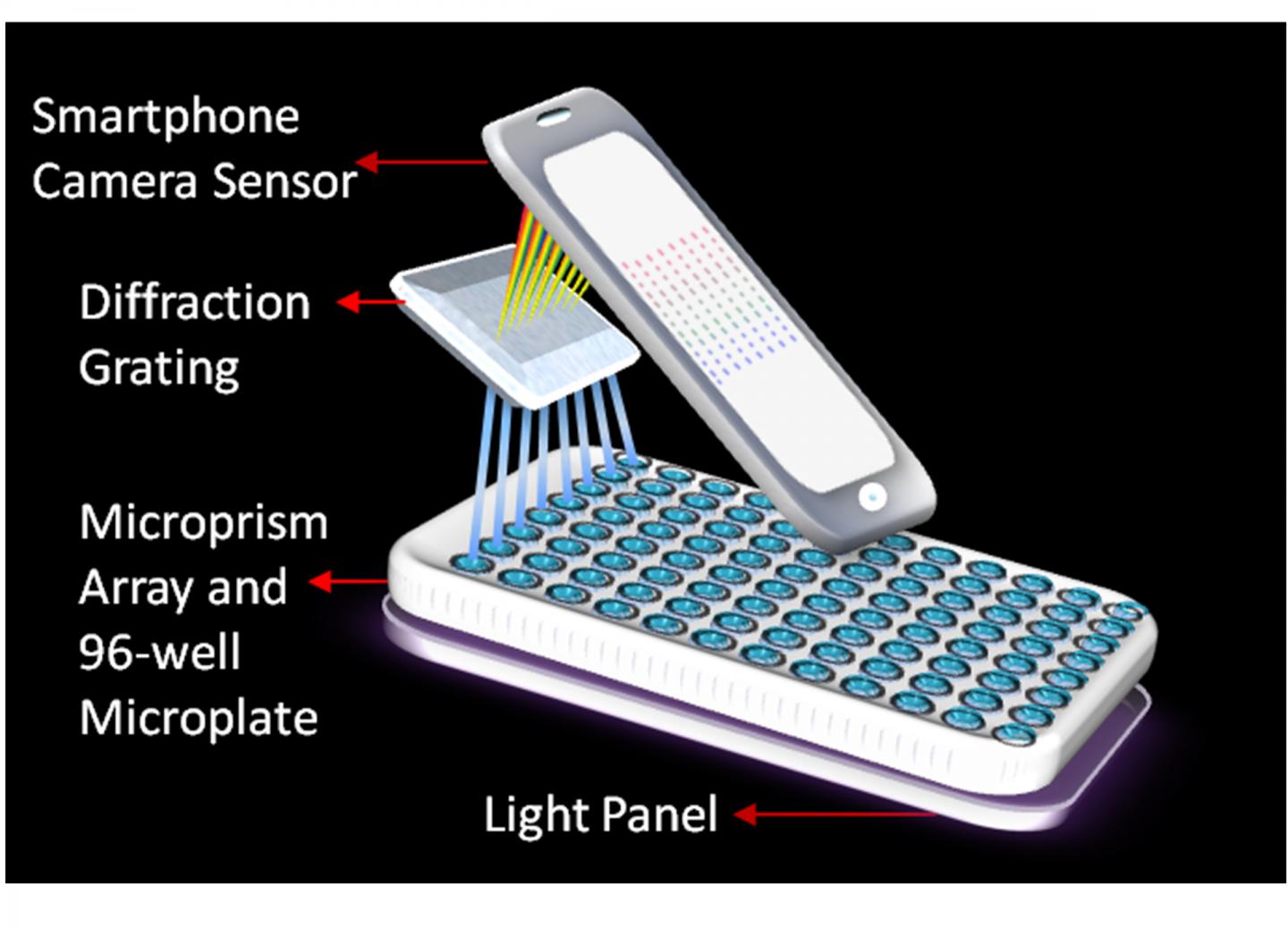
Researchers have developed a low-cost, portable laboratory on an iPhone 5 that can analyze several samples at once to catch a cancer biomarker, producing lab quality results.

At a time when patients and medical professionals expect always faster results, researchers are trying to translate biodetection technologies used in laboratories to the field and clinic, so patients can get nearly instant diagnoses in a physician's office, an ambulance or the emergency room. The team created an eight channel smartphone spectrometer that can detect human interleukin-6 (IL-6), a known biomarker for lung, prostate, liver, breast and epithelial cancers. A spectrometer analyzes the amount and type of chemicals in a sample by measuring the light spectrum. 
"Could you repeat that?" The reason you may have to say something twice when talking to older family members at Thanksgiving dinner may not be because of their hearing. Researchers at the University of Maryland have determined that something is going on in the brains of typical older adults that causes them to struggle to follow speech amidst background noise, even when their hearing would be considered normal on a clinical assessment.

In the study, researchers Samira Anderson, Jonathan Z. Simon, and Alessandro Presacco found that adults aged 61-73 with normal hearing scored significantly worse on speech understanding in noisy environments than adults aged 18-30 with normal hearing. 
New research suggests that "flash droughts", like the one that unexpectedly gripped the Southern Rockies and Midwest in the summer of 2012, could be predicted months in advance using soil moisture and snowpack data.

Scientists at the National Center for Atmospheric Research (NCAR) analyzed the conditions leading up to the 2012 drought, which ultimately caused $30 billion in economic losses, looking for any warning signs that a drought was on the way. They find that observations of snowmelt and soil moisture could have predicted the ensuing drought up to four months in advance.