
Banner
Convergent Evolution Cheat Sheet Now 120 Million Years Old

One tenet of natural selection is a random walk of genes but nature may be more predictable than...

Synchrotron Could Shed Light On Exotic Dark Photons

There are many hypothetical particles proposed to explain dark matter and one idea to explore how...

The Pain Scale Is Broken But This May Fix It

Chronic pain is reported by over 20 percent of the global population but there is no scientific...
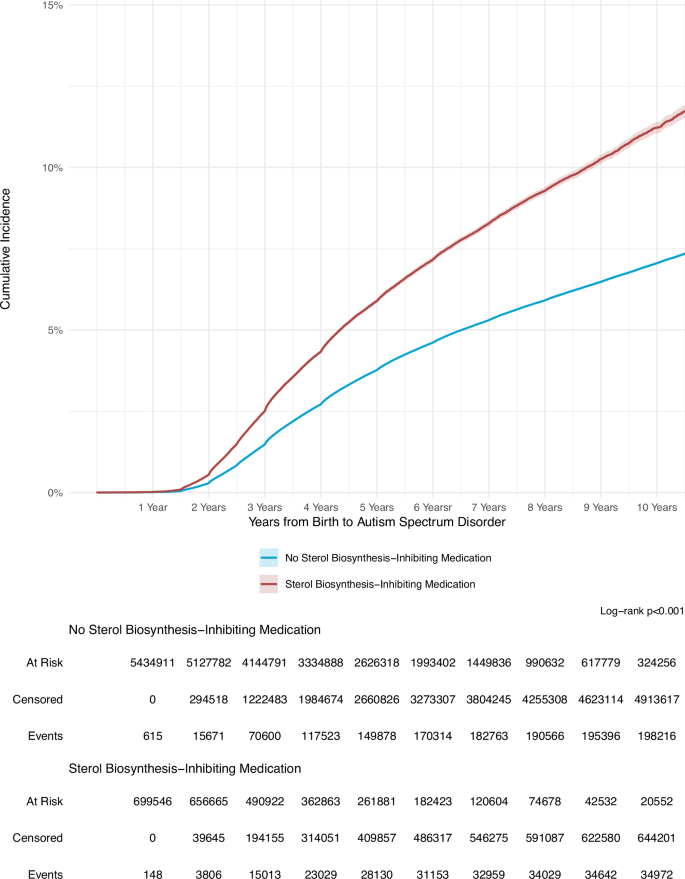
Study Links Antidepressants, Beta-blockers and Statins To Increased Autism Risk

An analysis of 6.14 million maternal-child health records  has linked prescription medications...

User picture.
News StaffRSS Feed of this column.

News Releases From All Over The World, Right To You... Read More »

Blogroll
The wild pea pod is big and heavy, with seemingly little prayer of escaping the shade of its parent plant.

And yet, like a grounded teenager who knows where the car keys are hidden, it manages – if it has a reasonable chance of escape.

University of Florida researchers working at the world's largest experimental landscape devoted to wildlife corridors – greenways that link woods or other natural areas — have discovered the pea and similar species share, given a clear shot, a mysterious ability for mobility. Though their seeds are neither dispersed by birds nor borne by the wind, they are nevertheless far more likely to slalom down corridors than slog through woods.
For the first time in Australia, scientists at Sydney's Centenary Institute have filmed an immune cell becoming infected by a parasite and followed the infection as it begins to spread throughout the body. 

Professor Wolfgang Weninger, head of the Immune Imaging program at the Centenary Institute, says the discovery was made possible using high powered multi-photon microscopy which allows real cells to be viewed in real time. 

Middle-aged men want younger women and don't mind talking about their own positive qualities to get them, according to research at Gothenburg University and Oxford University that studied 400 matchmaking ads to see how men and women choose partners.

There's no shortage of ideas about how men and women choose their partners. Among the more established myths is that men place more emphasis on attractive appearance, whereas resources and social status are more important to women.  By examining romantic advertisements, researchers at the University of Gothenburg and the University of Oxford say they were able to test how valid these presumed preferences are when modern individuals choose partners.

Four living presidential science advisors, Democrats Drs. John H. Gibbons and Neal F. Lane and Republicans Drs. Edward E. David and John. P. McTague, have written an article called "Making a Critical Connection: Science Advice and the Next President", which highlights the need for the swift appointment of a science advisor whom President-elect Barack Obama trusts. 
In times of economic distress and plenty, ninety percent of Americans pray, more than half of us once a day or more. We pray for big things—to stay healthy, to keep our jobs, and to strengthen our relationships. And we pray for small things—to find parking spaces and missing items. Some of us are sure God exists and others pray simply to cover the bases. 
For years, pear-shaped people who carry weight in the thighs and backside have been told they are at lower risk for high blood pressure and heart disease than apple-shaped people who carry fat in the abdomen. But new findings from nutrition researchers at Washington University School of Medicine in St. Louis suggest body-shape comparisons don't completely explain risk.

In two studies, they report excess liver fat appears to be the real key to insulin resistance, cholesterol abnormalities and other problems that contribute to diabetes and cardiovascular disease. Having too much fat stored in the liver is known as nonalcoholic fatty liver disease.






