Banner
Synchrotron Could Shed Light On Exotic Dark Photons

There are many hypothetical particles proposed to explain dark matter and one idea to explore how...

The Pain Scale Is Broken But This May Fix It

Chronic pain is reported by over 20 percent of the global population but there is no scientific...
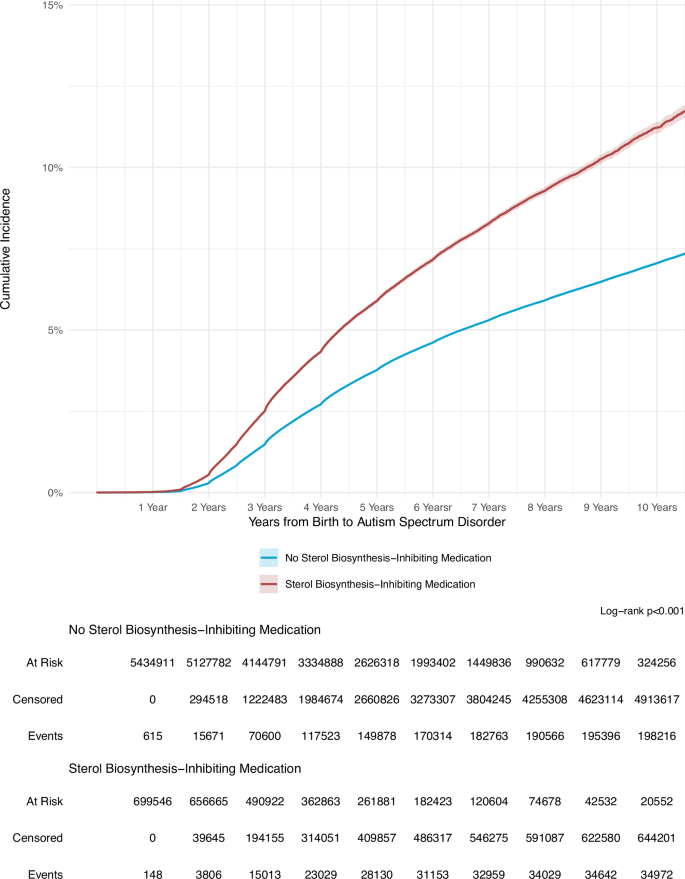
Study Links Antidepressants, Beta-blockers and Statins To Increased Autism Risk

An analysis of 6.14 million maternal-child health records  has linked prescription medications...

Pilot Study: Fibromyalgia Fatigue Improved By TENS Therapy

Fibromyalgia is the term for a poorly-understood condition where people experience pain and fatigue...

User picture.
News StaffRSS Feed of this column.

News Releases From All Over The World, Right To You... Read More »

Blogroll
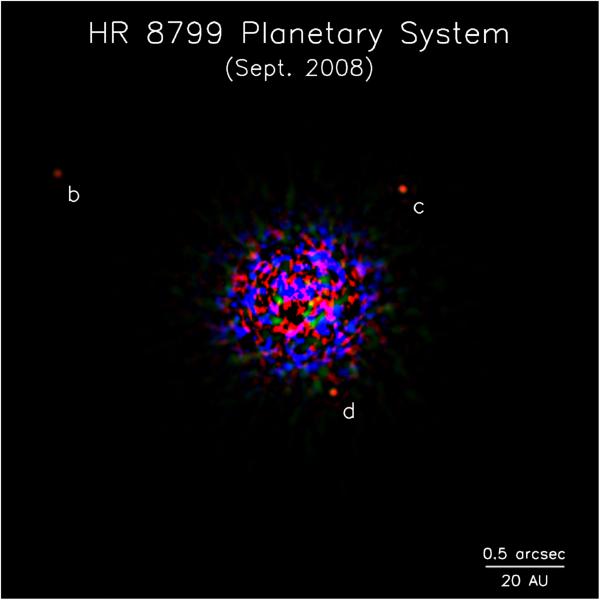
Astronomers have taken snapshots of a multi-planet solar system much like ours orbiting another star, for the first time.

The new solar system orbits a dusty young star named HR 8799, which is 140 light years away and about 1.5 times the size of our sun. Three planets, roughly 10, 10 and 7 times the mass of Jupiter, orbit the star. The size of the planets decreases with distance from the parent star, much like the giant planets do in our system.

And there may be more planets out there, but scientists say they just haven't seen them yet.

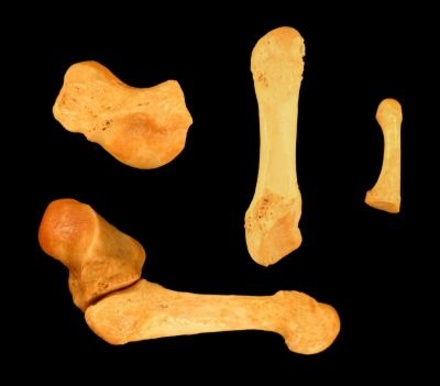
It has all the hallmarks of a Cretaceous melodrama. A dinosaur sits on her nest of a dozen eggs on a sandy river beach. Water levels rise, and the mother is faced with a dilemma: Stay or abandon her unhatched offspring to the flood and scramble to safety?

Seventy-seven million years later, scientific detective work conducted by University of Calgary and Royal Tyrrell Museum researchers used this unique fossil nest and eggs to learn more about how nest building, brooding and eggs evolved. But there is a big unresolved question: Who was the egg-layer?
Scientists may have overcome a major hurdle to calculating how much carbon dioxide (CO2) is absorbed and released by plants, vital information for understanding how the biosphere responds to stress and for determining the amount of carbon that can be safely emitted by human activities. The problem is that ecosystems simultaneously take up and release CO2. The key finding is that the compound carbonyl sulfide, which plants consume in tandem with CO2, can be used to quantify gas flow into the plants during photosynthesis. The research is published in the November 14, issue of Science. 
Evolution isn't just for living organisms. Scientists at the Carnegie Institution have found that the mineral kingdom co-evolved with life, and that up to two thirds of the more than 4,000 known types of minerals on Earth can be directly or indirectly linked to biological activity. The finding, published in American Mineralogist*, could aid scientists in the search for life on other planets.
One of the hallmarks of the brain of an individual with Alzheimer disease is the accumulation of amyloid-beta peptide (A-beta), something that is believed to be toxic to many brain cells (specifically neurons) and to therefore contribute to the underlying cause of disease.

Berislav Zlokovic and colleagues, at the University of Rochester Medical School, have now generated data in mice that mechanistically links a genetic risk factor for Alzheimer disease with accumulation of A-beta in the brain.
There may be less than 20,000 rhinoceros in the world, with one species perhaps already extinct and another with possibly only four animals remaining in the wild. As the populations of these animals age and become infirm, successful breeding becomes increasingly difficult. In an article scheduled for publication in Theriogenology, researchers from the Leibniz Institute for Zoo and Wildlife Research, Berlin, Zoo Budapest and the University of Veterinary Medicine, Vienna, report on the first live birth of a rhinoceros resulting from artificial insemination (AI) with frozen and thawed semen.