Banner
Synchrotron Could Shed Light On Exotic Dark Photons

There are many hypothetical particles proposed to explain dark matter and one idea to explore how...

The Pain Scale Is Broken But This May Fix It

Chronic pain is reported by over 20 percent of the global population but there is no scientific...
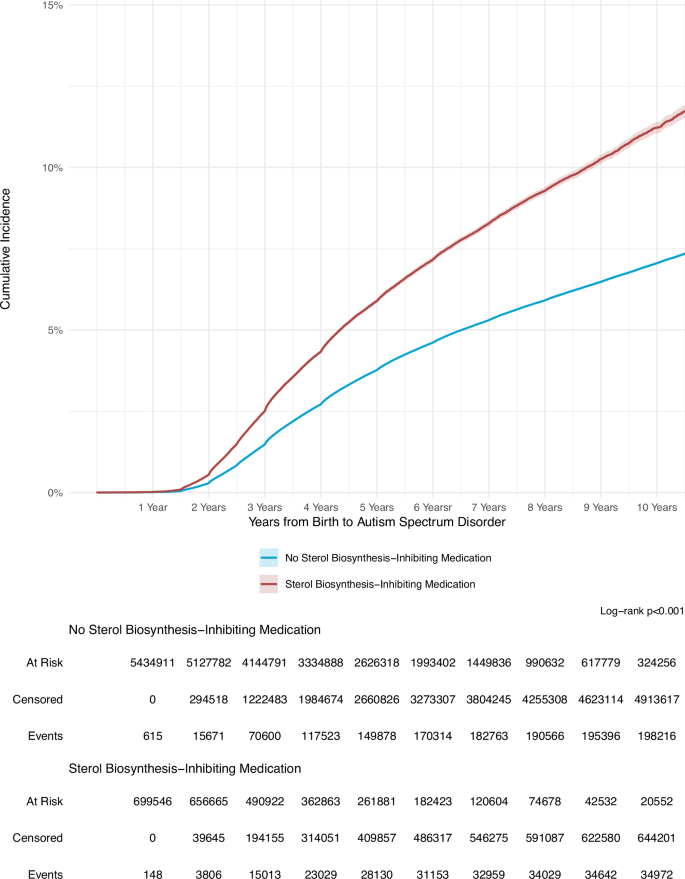
Study Links Antidepressants, Beta-blockers and Statins To Increased Autism Risk

An analysis of 6.14 million maternal-child health records  has linked prescription medications...

Pilot Study: Fibromyalgia Fatigue Improved By TENS Therapy

Fibromyalgia is the term for a poorly-understood condition where people experience pain and fatigue...

User picture.
News StaffRSS Feed of this column.

News Releases From All Over The World, Right To You... Read More »

Blogroll
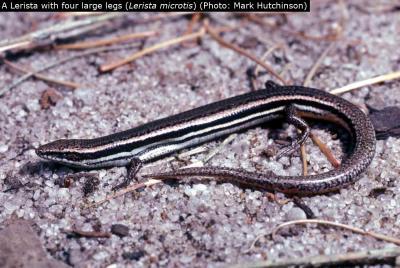
Small skink lizards, Lerista, demonstrate extensive changes in body shape over geologically brief periods. Research published in the open access journal BMC Evolutionary Biology shows that several species of these skinks have rapidly evolved an elongate, limbless body form.

Skinks are a common sight in Australia and many species have limbs that are either reduced or missing entirely.   According to the lead author of this study, Adam Skinner of The University of Adelaide, "It is believed that skinks are losing their limbs because they spend most of their lives swimming through sand or soil; limbs are not only unnecessary for this, but may actually be a hindrance".
A team of researchers led by North Carolina State University has made a breakthrough that could lead to new dialysis devices and a host of other revolutionary medical implants. The researchers have found that the unique properties of a new material can be used to create new devices that can be implanted into the human body – including blood glucose sensors for diabetics and artificial hemo-dialysis membranes that can scrub impurities from the blood.
Working out on a stationary bicycle or walking on a treadmill just 25 to 30 minutes most days of the week is enough to modestly lower risk of hospitalization or death for patients with heart failure, say researchers from Duke Clinical Research Institute (DCRI).
Petroleum is the feedstock for many products in the chemical industry but it is becoming increasingly expensive.  Renewable raw materials are an alternative but we quickly learned that, despite the beliefs of activists in the 1980s and 1990s, fuel from food was not a good idea.

Thanks to white industrial biotechnology, chemical substances can also be derived from waste products generated by the food industry, leftover biomass from agriculture and forestry, and residual materials. Researchers of the Fraunhofer Institute for Interfacial Engineering and Biotechnology IGB in Stuttgart are demonstrating how this biotechnical recycling works, using colza, whey and crab shells as examples.
It sounds like a science fiction movie: A killer contagion threatens the Earth, but scientists save the day with a designer drug that forces the virus to mutate itself out of existence. The killer disease? Still a fiction. The drug? It could become a reality thanks to a new study by Rice University bioengineers.

The study, which is available online and slated for publication in the journal Physical Review E, offers the most comprehensive mathematical analysis to date of the mechanisms that drive evolution in viruses and bacteria. Rather than focusing solely on random genetic mutations, as past analyses have, the study predicts exactly how evolution is affected by the exchange of entire genes and sets of genes.

Children with heart defects may someday receive perfectly-matched new heart valves built using stem cells from their umbilical cord blood, according to research presented at the American Heart Association's Scientific Sessions 2008.

When infants are born with malfunctioning heart valves that can't be surgically repaired, they rely on replacements from animal tissue, compatible human organ donations or artificial materials. These replacements are lifesaving, but don't grow and change shape as a child develops; so two or more surgeries may be needed to replace outgrown valves. The animal tissue may also stiffen over time as well and be less durable than a normal human valve.