Headphones for MP3 players placed within an inch of pacemakers and implantable cardioverter defibrillators (ICDs) may interfere with these devices, according to research presented at the American Heart Association's Scientific Sessions 2008.
An MP3 player is a popular digital music player. Earlier this year an FDA report concluded that interactions between MP3 players, such as the popular iPod®, and implanted cardiac devices are unlikely to occur.
Researchers investigated the effects of MP3 player headphones, most of which contain the magnetic substance neodymium, on the operation of implanted cardiac devices (abstract P662).
"Net energy is a (mostly) irrelevant, misleading and dangerous metric," says Professor Bruce Dale, editor-in-chief of Biofuels, Bioresources and Biorefining (Biofpr) in the latest issue of the journal published today.
Net energy is a metric by which some scientists attempt to assess the sustainability and ability of alternative fuels to displace fossil fuel but recent debate in Biofpr shows that scientists are undecided on its merits as a tool.
Two Durham University scientists are playing a key part in a 3,000 mile trip following the migration route of ancient Pacific cultures. Drs Keith Dobney and Greger Larson, both from the Department of Archaeology, are taking part in the voyage, which will be the first ever expedition to sail in two traditional Polynesian boats - ethnic double canoes - which attempts to re-trace the genuine migration route of the ancient Austronesians.
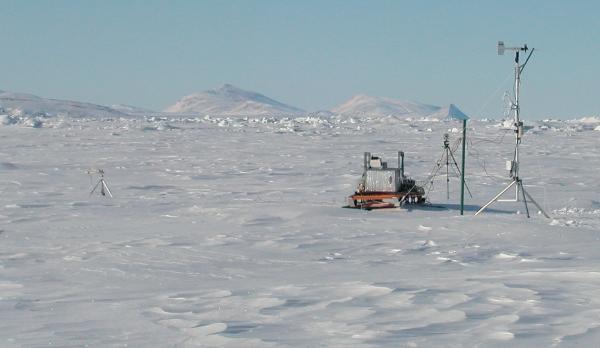
In the Arctic in spring, the snow cover gives off nitrogen oxides. This phenomenon, the extent of which had not been previously realized, is the source of one third of the nitrates present in the Arctic atmosphere, according to researchers from CNRS, the Université Joseph Fourier and the Université Pierre et Marie Curie[1]. They made a quantitative study of the origin and evolution of nitrogen compounds in the Arctic atmosphere, in order to understand their environmental impact on this region. These findings are published in the 31 October 2008 issue of the journal Science.
The Data Management Group (DAMA-UPC), led by Josep Lluís Larriba, has designed a system for searching for information in a network or graph that can complement Internet search engines and is of special interest to biomedicine, social networks, the Internet, fraud detection in different environments and advanced bibliographical searches.
Searching and querying large volumes of networked data using a new technology patented by the UPC is now a reality with DEX. The system offers high-speed processing, configurable data input using heterogenous sources, and management of networks with billions of nodes and connections from a desktop PC.
The truth is, few people know the first thing about clinical research. The public reads about a medical research project that announces unbelievable results for a miraculous drug and often jokes that it will later turn out just the opposite will be true.
And the public is often right. For example, a 1994 headline in the San Francisco Chronicle announced “Hormones cut women’s risk of heart disease” but by 2001 that optimistic report was reversed as evidenced by a Washington Post article titled, “Hormones don’t protect women from heart disease.”


 Synchrotron Could Shed Light On Exotic Dark Photons
 The Pain Scale Is Broken But This May Fix It
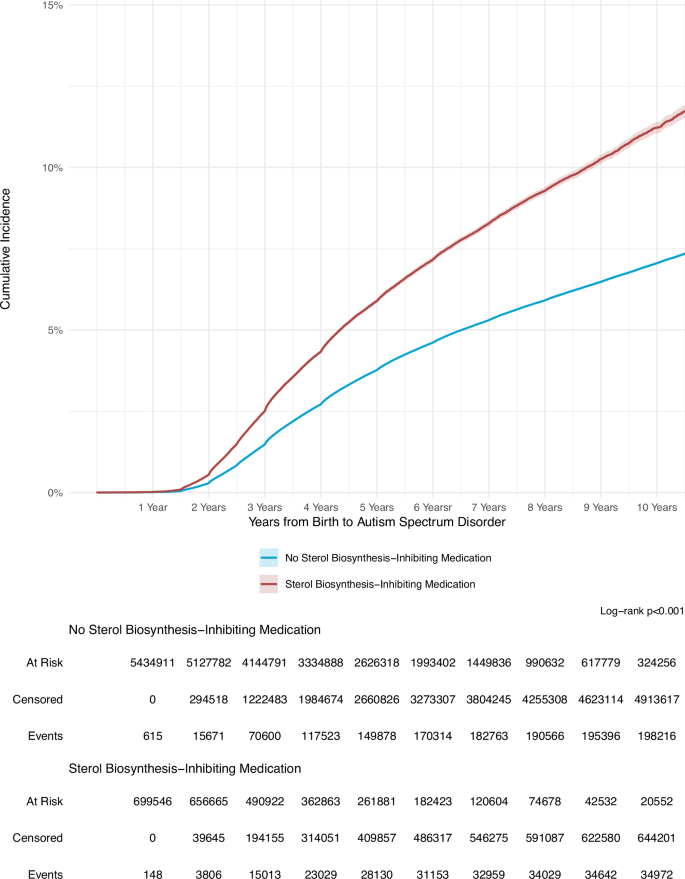 Study Links Antidepressants, Beta-blockers and Statins To Increased Autism Risk
 Pilot Study: Fibromyalgia Fatigue Improved By TENS Therapy