Banner
Synchrotron Could Shed Light On Exotic Dark Photons

There are many hypothetical particles proposed to explain dark matter and one idea to explore how...

The Pain Scale Is Broken But This May Fix It

Chronic pain is reported by over 20 percent of the global population but there is no scientific...
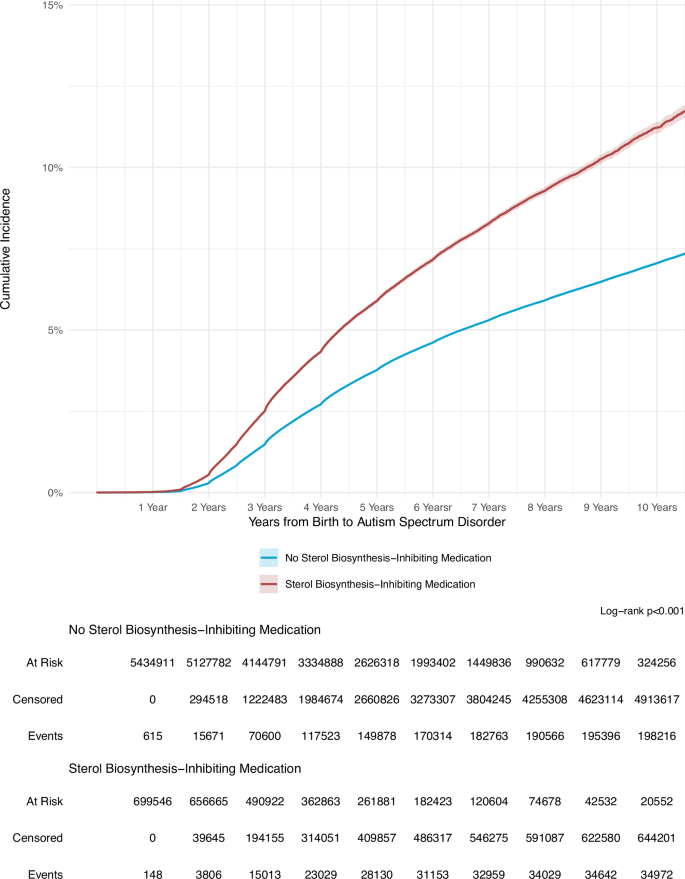
Study Links Antidepressants, Beta-blockers and Statins To Increased Autism Risk

An analysis of 6.14 million maternal-child health records  has linked prescription medications...

Pilot Study: Fibromyalgia Fatigue Improved By TENS Therapy

Fibromyalgia is the term for a poorly-understood condition where people experience pain and fatigue...

User picture.
News StaffRSS Feed of this column.

News Releases From All Over The World, Right To You... Read More »

Blogroll
A group of researchers have created a  biodegradable 'scaffold' and living heart cells or stem cells seeded onto such a scaffold could develop into a patch of cardiac tissue  to treat congenital heart defects, or aid the recovery of tissue damaged by a heart attack. The biodegradable scaffold would be gradually absorbed into the body, leaving behind new tissue.

The accordion-like honeycomb scaffold, to be reported in the Nov. 2 online edition of Nature Materials, is the first to be explicitly designed to match the structural and mechanical properties of native heart tissue. As a result, it has several advantages over previous cardiac tissue engineering scaffolds.
A system of presumed consent for organ donation - where people have to opt out of donating their organs when they die - is the best way to tackle a growing waiting list for transplant, according to Dr John Troyer, an expert in organ donation and the illegal trade of body parts, who has recently joined the University of Bath’s Centre for Death&Society.  Yes, that is a real department and not a Halloween trick.  We checked.

There are more than 7,500 patients in the UK currently on the waiting list for organ donations.
A study in the Nov. 1 issue of the journal Sleep is the first demonstration of a specific neurochemical abnormality in adults with primary insomnia, providing greater insight to the limited understanding of the condition's pathology. 

Results indicate that gamma-aminobutyric acid (GABA), the most common inhibitory transmitter in the brain, is reduced by nearly 30 percent in individuals who have been suffering from primary insomnia for more than six months. These findings suggest that primary insomnia is a manifestation of a neurobiological state of hyperarousal, which is present during both waking and sleep at physiological and cognitive levels.

BETHLEHEM, PA (October 31, 2008)—A new study published in the September/October issue of the journal Marketing Science reveals the world's most innovative countries, with Japan and the Nordic countries earning top spots and the United States finishing in sixth.

The study, which evaluates 31 countries based on the time it takes for new products to takeoff, is among the most comprehensive research of its kind. Wherever applicable, researchers analyzed 16 different product categories over a time span of 50 years.

Findings of the study, titled, "The Global Takeoff of New Products: Culture, Wealth, or Vanishing Differences," include:

While it certainly can't hurt for Barack Obama to get millions of hits on YouTube with an 'Obama Girl' does it really help, or is John McCain's "Joe The Plumber" in traditional media just as good?  

Dr. Paul Haridakis, associate professor of Communication Studies at Kent State University and a long-time scholar in the area of the impact of media on the political landscape in the U.S., is investigating the impact of hugely popular social media's impact on the upcoming presidential contest.
Ever wonder where all that food your teenager devoured was going? Not only does the food go into the teen's daily activities--running, doing homework, breathing and playing video games, but food converted to energy also fuels growth of new tissues--bones, vessels, cartilage, muscle.  In poorer areas of the world, part of the energy yielded by food might be deflected for the body's defense system in fighting disease. Children and teens in such conditions will not grow as tall or big as their healthy counterparts who were able to allocate more of their energy stores directly to growth.