New research from the University of Bristol brings stem cell therapies for heart disease one step closer. The findings reveal that our bodies' ability to respond to an internal 'mayday' signal may hold the key to success for long-awaited regenerative medicine. Dr Nicolle Kränkel and colleagues at the Bristol Heart Institute have discovered how our bodies initiate DIY rescue and repair mechanisms when blood supply is inadequate, for example in diabetic limbs or in the heart muscle during heart attack. Their findings also provide a practical step to advance progress in stem cell therapies.
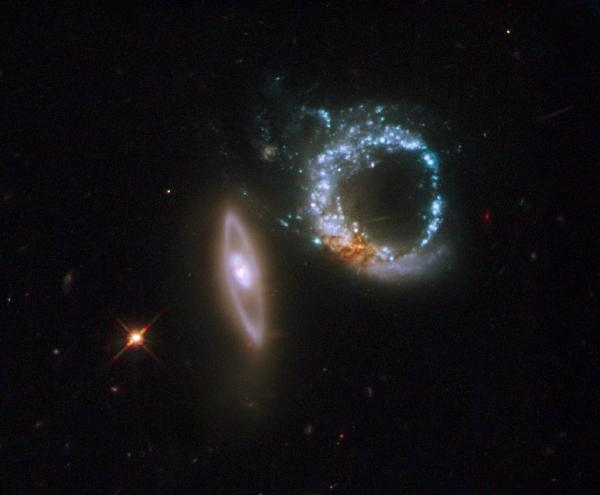
The NASA/ESA Hubble Space Telescope is back in business with a snapshot of the fascinating galaxy pair Arp 147. The science operations were resumed on 25 October 2008, four weeks after a problem with the science data formatter took the spacecraft into safe mode.
On Sunday 28 September 2008, the NASA/ESA Hubble Space Telescope automatically entered safe mode when errors were detected in the Control Unit/Science Data Formatter-Side A. This component is essential for the storage and transmission of data from the telescope's science instruments back to Earth. The component was reactivated on Thursday 23 October, and the Wide Field Planetary Camera-2 science observations resumed on Saturday 25 October.
A fungus called microsporidia that causes chronic diarrhea in AIDS patients, organ transplant recipients and travelers has been identified as a member of the family of fungi that have been discovered to reproduce sexually. A team at Duke University Medical Center has proven that microsporidia are true fungi and that this species most likely undergoes a form of sexual reproduction during infection of humans and other host animals.
The findings could help develop effective treatments against these common global pathogens and may help explain their most virulent attacks.
Researchers have defined a mutation in the mouse genome that mimics progressive hearing loss in humans. A team from the Wellcome Trust Sanger Institute in Cambridge, UK, working with colleagues in Munich and Padua, found that mice carrying a mutation called Oblivion displayed problems with the function of hair cells in the inner ear, occurring before clear physical effects are seen. The study is published October 31 in PLoS Genetics.
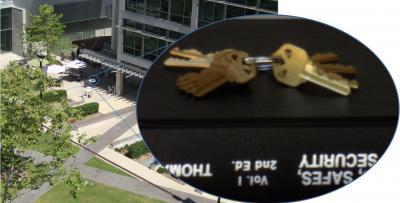
UC San Diego computer scientists have built a software program that can perform key duplication without having the key. Instead, the computer scientists only need a photograph of the key.
"We built our key duplication software system to show people that their keys are not inherently secret," said Stefan Savage, the computer science professor from UC San Diego's Jacobs School of Engineering who led the student-run project. "Perhaps this was once a reasonable assumption, but advances in digital imaging and optics have made it easy to duplicate someone's keys from a distance without them even noticing."
We all experience memory errors from time to time and research has suggested that 'false' memories may be a result of having too many other things to remember or perhaps if too much time has passed.


 Synchrotron Could Shed Light On Exotic Dark Photons
 The Pain Scale Is Broken But This May Fix It
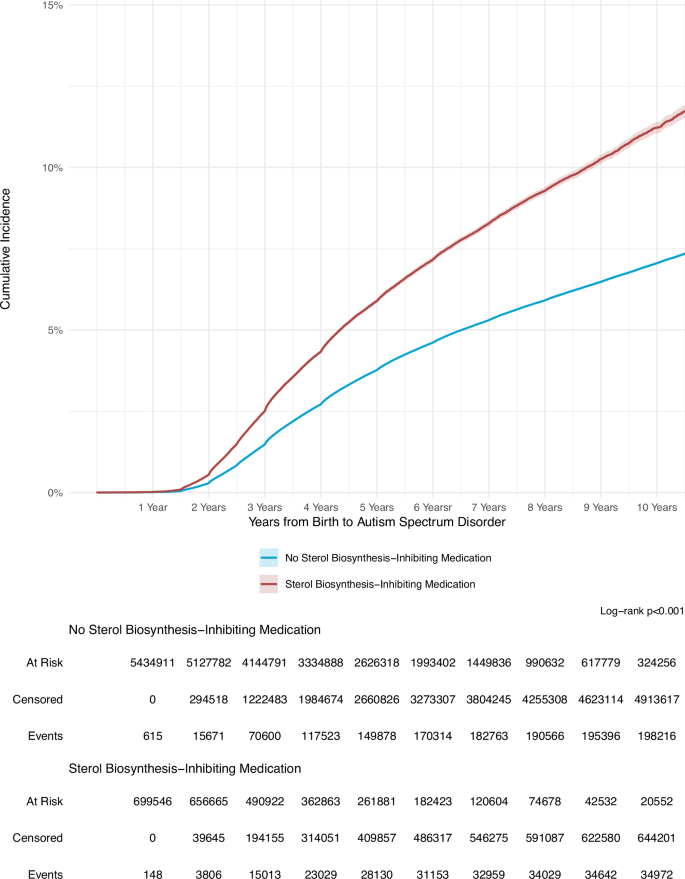 Study Links Antidepressants, Beta-blockers and Statins To Increased Autism Risk
 Pilot Study: Fibromyalgia Fatigue Improved By TENS Therapy