Banner
Synchrotron Could Shed Light On Exotic Dark Photons

There are many hypothetical particles proposed to explain dark matter and one idea to explore how...

The Pain Scale Is Broken But This May Fix It

Chronic pain is reported by over 20 percent of the global population but there is no scientific...
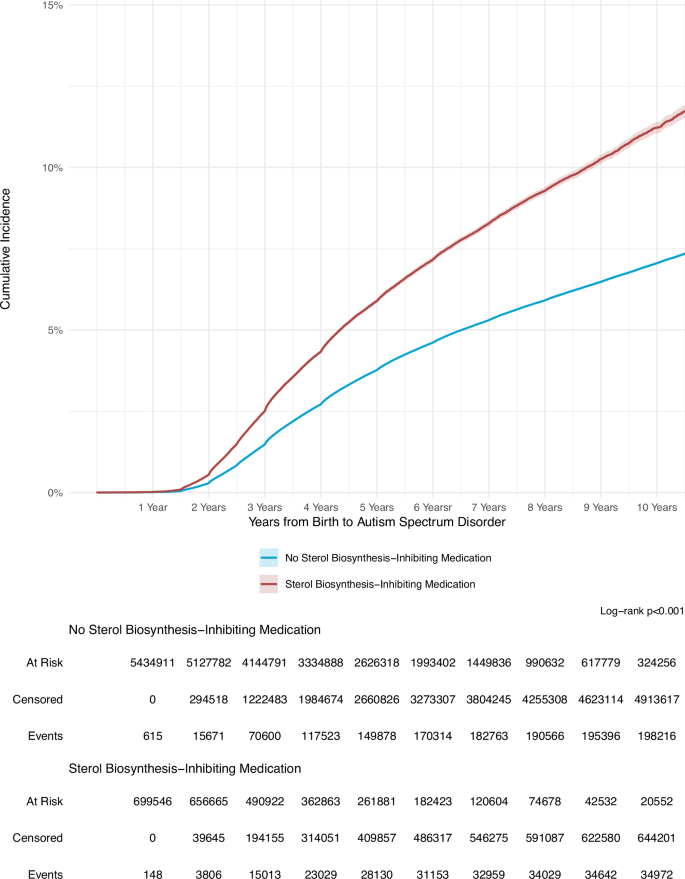
Study Links Antidepressants, Beta-blockers and Statins To Increased Autism Risk

An analysis of 6.14 million maternal-child health records  has linked prescription medications...

Pilot Study: Fibromyalgia Fatigue Improved By TENS Therapy

Fibromyalgia is the term for a poorly-understood condition where people experience pain and fatigue...

User picture.
News StaffRSS Feed of this column.

News Releases From All Over The World, Right To You... Read More »

Blogroll
For many women, including the growing number who choose later-in-life pregnancy, predicting their biological clock's relation to the timing of their menopause and infertility is critically important.   Investigators from the University of Michigan say they have new information about hormonal biomarkers that can address the beginning of the menopause transition. 

"In the end, this information can change the way we do business," said MaryFran Sowers, professor in the U-M School of Public Health Department of Epidemiology. "The information provides a roadmap as to how fast women are progressing through the different elements of their reproductive life."

Rosetta Genomics Ltd (Nasdaq:ROSG), a developer of microRNA-based diagnostics and therapeutics, announced today it has launched Rosetta Green, a microRNA-based plant biotechnology project. Rosetta Green will leverage the extensive knowledge gained at Rosetta Genomics in microRNAs, as well as its proprietary technologies and strong IP position, to develop a wide range of plant-based applications. The company has recently completed a financing round from private investors exclusively for this project.

"Since our founding in 2000, we have maintained that small non-protein coding RNA - what we now know are microRNAs - play a critical role in many cellular processes," said Amir Avniel, CEO of Rosetta Genomics.

People tend to want to correlate more money to better results?  It doesn't matter if it's education or science or highways.   But it isn't always the case.   Expensive new medicines plus more patients have caused American to double spending on diabetes care in six years - rising from $6.7 billion in 2001 to $12.5 billion in 2007 according to a study in the Oct. 27, 2008, issue of the Archives of Internal Medicine  - but the results haven't kept pace with the expense.  

Since 2002, over 10 percent of all health care expenditures in the United States were attributable to diabetes so it's time to think about whether the higher cost actually translates into improved care.
Even though the U. S. Environmental Protection Agency (EPA) has given final approval for use of a new pesticide, regulators in California and other states are taking a closer look at the substance's potential adverse health effects before allowing the chemical to be used, according to an article in Chemical&Engineering News. 
Have you grown up without the ability to recognize voices?    If so, University College London wants to hear from you (no pun intended).   
In November, America will vote for a new President.   The next President, whomever it is, has said he will overturn the restrictions President Bush placed on use of federal money for human embryonic stem cell (hESC) research that does not meet criteria established in 2001.   

The controversy surrounding hESC research is too much to go into here but here are 5 things you should know about the science of stem cell research, including the hESC kind.