Banner
Synchrotron Could Shed Light On Exotic Dark Photons

There are many hypothetical particles proposed to explain dark matter and one idea to explore how...

The Pain Scale Is Broken But This May Fix It

Chronic pain is reported by over 20 percent of the global population but there is no scientific...
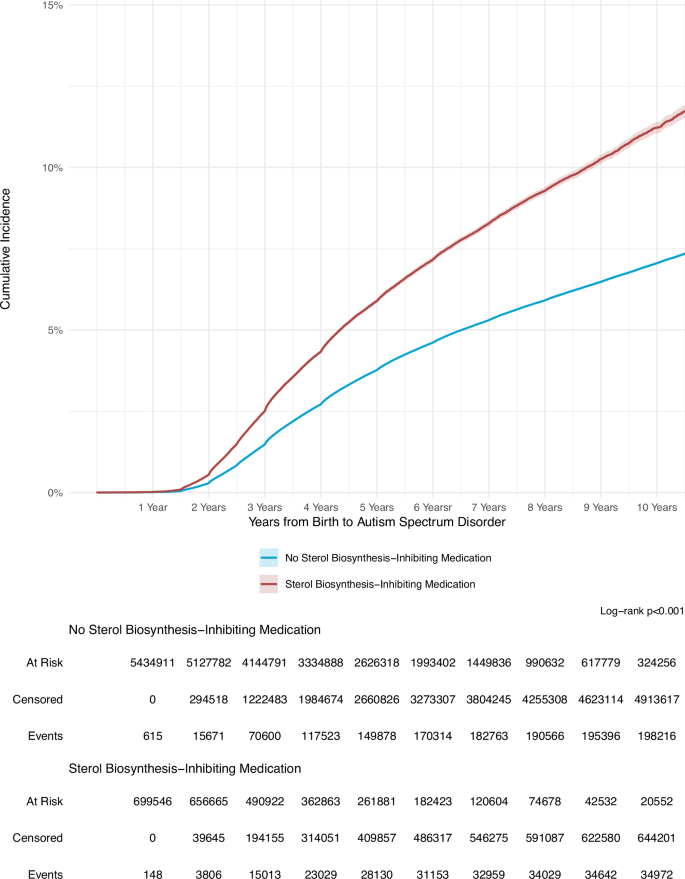
Study Links Antidepressants, Beta-blockers and Statins To Increased Autism Risk

An analysis of 6.14 million maternal-child health records  has linked prescription medications...

Pilot Study: Fibromyalgia Fatigue Improved By TENS Therapy

Fibromyalgia is the term for a poorly-understood condition where people experience pain and fatigue...

User picture.
News StaffRSS Feed of this column.

News Releases From All Over The World, Right To You... Read More »

Blogroll

Hot, young planets may be easier to spot because they stay that way longer than astronomers have thought, according to new work by MIT planetary scientist Linda Elkins-Tanton.

For a few million years after their initial formation, planets like Earth may maintain a hot surface of molten rock that would glow brightly enough to make them stand out as they orbit neighboring stars. Elkins-Tanton, Mitsui Career Development Professor of Geology in the Department of Earth, Atmospheric and Planetary Sciences, says the “magma ocean” stage for Earth-sized planets may last a few million years, much longer than previously estimated. “That means we may actually see them elsewhere, as detection systems get better,” she said.

Schoolchildren, families and citizen scientists around the world will gaze skyward after dark from Oct. 20 to Nov.3, 2008, looking for specific constellations and then sharing their observations through the Internet.

The Great World Wide Star Count, now in its second year, helps scientists map light pollution globally while educating participants about the stars.

The event, which is open to everyone who wants to participate, is organized by the Windows to the Universe project at the University Corporation for Atmospheric Research (UCAR) in Boulder, Colo., in conjunction with planetariums and scientific societies across the country and abroad.

Yale Cancer Center researchers have identified a genetic biomarker that may help to determine why some people are at an increased risk of developing lung cancer.

The findings, published in the journal Cancer Research, could help identify smokers who should be carefully screened for lung cancer.

“Only 10% of smokers will develop lung cancer in their lifetime and genetic testing to determine the population of smokers who are most predisposed to develop the disease is needed to help guide better evaluation for these people,” explained Joanne B. Weidhaas, MD, PhD, assistant professor of therapeutic radiology at Yale School of Medicine and senior author on the study in collaboration with Frank Slack, PhD, associate professor in the department of molecular, cellular and developmental biology at Yale University.

The discovery of the earliest known cases of human tuberculosis (TB) in bones found submerged off the coast of Israel shows that the disease is 3000 years older than previously thought. Direct examination of this ancient DNA confirms the latest theory that bovine TB evolved later than human TB.

The new research sheds light on how the TB bacterium has evolved over the millennia and increases our understanding of how it may change in the future.

The bones, thought to be of a mother and baby, were excavated from Alit-Yam, a 9000 year-old Pre-Pottery Neolithic village, which has been submerged off the coast of Haifa, Israel for thousands of years. Professor Israel Hershkovitz, from Tel-Aviv University's Department of Anatomy, noticed the characteristic bone lesions that are signs of TB in skeletons from the settlement, one of the earliest with evidence of domesticated cattle.

A new study sheds light on the lives of teenage boys who abuse their girlfriends. In their own words, the young men often describe facing challenges such as growing up with troubled family lives, having little or no support when they began to fail at school, and witnessing violence in their own homes and communities. The study advocates broadening the view of abusive behaviors within dating relationships to explore the myriad environments — school, home and community — that affect boys' lives and actions.

'Blindsight' is a phenomenon in which patients with damage in the primary visual cortex of the brain can tell where an object is although they claim they cannot see it.

A research team led by Prof. Tadashi Isa and Dr. Masatoshi Yoshida of the National Institute for Physiological Sciences, Japan, provides compelling evidence that blindsight occurs because visual information is conveyed bypassing the primary visual cortex.