

Banner
Synchrotron Could Shed Light On Exotic Dark Photons

There are many hypothetical particles proposed to explain dark matter and one idea to explore how...

The Pain Scale Is Broken But This May Fix It

Chronic pain is reported by over 20 percent of the global population but there is no scientific...
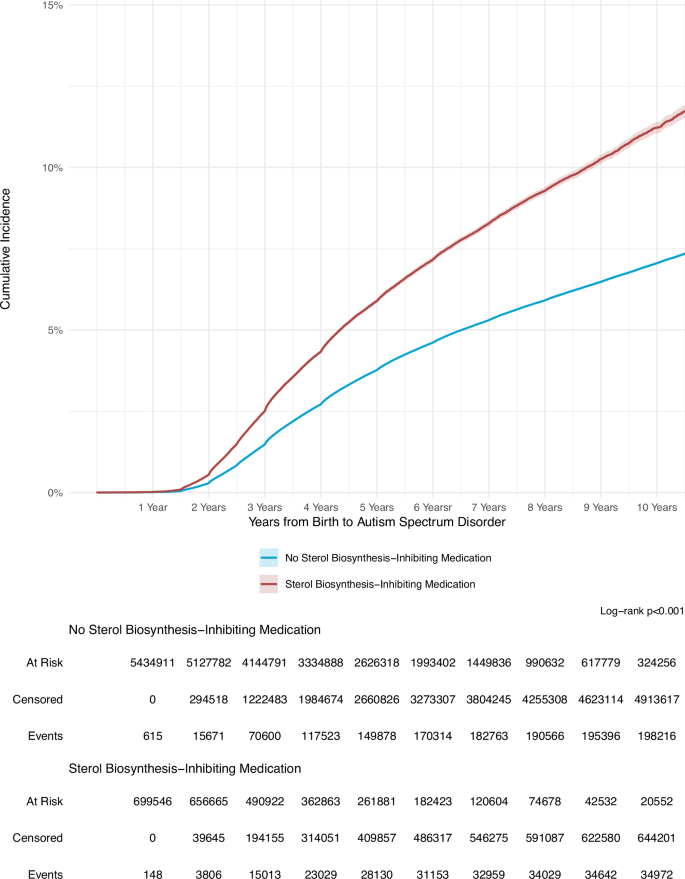
Study Links Antidepressants, Beta-blockers and Statins To Increased Autism Risk

An analysis of 6.14 million maternal-child health records  has linked prescription medications...

Pilot Study: Fibromyalgia Fatigue Improved By TENS Therapy

Fibromyalgia is the term for a poorly-understood condition where people experience pain and fatigue...

User picture.
News StaffRSS Feed of this column.

News Releases From All Over The World, Right To You... Read More »

Blogroll

The Royal Swedish Academy of Sciences has decided to award the Nobel Prize in Chemistry for 2008 jointly to Japanese citizen Osamu Shimomura, of Marine Biological Laboratory (MBL), Woods Hole, MA, and Boston University Medical School along with Americans Martin Chalfie, Columbia University, New York and Roger Y. Tsien, University of California, San Diego, La Jolla, "for the discovery and development of the green fluorescent protein, GFP".

Glowing proteins – a guiding star for biochemistry

The remarkable brightly glowing green fluorescent protein, GFP, was first observed in the beautiful jellyfish, Aequorea victoria in 1962. Since then, this protein has become one of the most important tools used in contemporary bioscience. With the aid of GFP, researchers have developed ways to watch processes that were previously invisible, such as the development of nerve cells in the brain or how cancer cells spread.

With increasing consumer pressure on both farmers and supermarkets to minimize the use of chemical pesticides in fruit and vegetables, a new study funded by the Economic and Social Research Council (ESRC) looks at why there is currently little use of biological alternatives in the UK.

The research suggests that consumer concerns about toxic residues could undermine the recommended ‘five a day’ target for the consumption of fresh fruit and vegetables. Supermarkets have responded to consumer pressure by banning some approved pesticides, but have been slow to embrace biopesticides.

Biopesticides, can play a significant role in a more sustainable food chain as chemical pesticides are withdrawn due to resistance problems or because they are no longer commercially viable, according to the research. Chemicals also endanger workers’ health and can contaminate groundwater.

Honey may reduce healing times in patients suffering mild to moderate burn wounds., according to a systematic review by Cochrane Library Researchers who concluded that honey might be useful as an alternative to traditional wound dressings in treating burns.

Honey has been used in wound treatment since ancient times. The mechanism of action is unclear. While honey may help the body remove dead tissue and provide a favourable environment for the growth of new, healthy tissue, current interest in medicinal honey focuses largely on its antibacterial effects.

Recent studies indicate that infusing hearts with stem cells taken from bone marrow could improve cardiac function after myocardial infarction - tissue damage that results from a heart attack. But in a recent systematic review, Cochrane Researchers concluded that more clinical trials are needed to assess the effectiveness of stem cell therapies for heart patients, as well as studies to establish how these treatments work.

In a heart attack, blocked arteries can cut off the blood supply to areas of heart tissue. This leads to myocardial infarction - severe tissue damage caused by lack of oxygen, which is transported in the blood.

New research provides support for the use of St. John’s wort extracts in treating major depression - Cochrane Systematic Review backs up previous research that showed the plant extract is effective in treating mild to moderate depressive disorders.

Extracts of the plant Hypericum perforatum, commonly known as St. John’s wort, have long been used in folk medicine to treat depression and sleep disorders. The plant produces a number of different substances that may have anti-depressive properties, but the whole extract is considered to be more effective.

There is no evidence probiotics can relieve the symptoms of eczema and there is evidence that they may occasionally cause infections and gut problems. These findings from The Cochrane Library come at a time when use of probiotics to treat eczema is increasing.

Eczema is an itchy skin condition that affects more than 1 in 20 people at some time in their lives and is especially common in children. Its cause is complex and not well understood, but sufferers do have different bacteria in their guts compared to unaffected people. Consequently, some nutritionists have suggested that eating live gut-dwelling bacteria, such as those found in probiotic yogurts and some infant formulas, could be beneficial.






