Banner
Pilot Study: Fibromyalgia Fatigue Improved By TENS Therapy

Fibromyalgia is the term for a poorly-understood condition where people experience pain and fatigue...

High Meat Consumption Linked To Lower Dementia Risk

Older people who eat large amounts of meat have a lower risk of dementia and cognitive decline...

Long Before The Inca Colonized Peru, Natives Had A Thriving Trade Network

A new DNA analysis reveals that long before the Incan Empire took over Peru, animals were...

Mesolithic People Had Meals With More Tradition Than You Thought

The common imagery of prehistoric people is either rooting through dirt for grubs and picking berries...

User picture.
News StaffRSS Feed of this column.

News Releases From All Over The World, Right To You... Read More »

Blogroll

Rome, Italy - 27 Aug 2016: A school intervention costing less than 20 cents per child has stopped unhealthy weight gain. The randomised study is presented at ESC Congress 2016 today by Ms Daniela Schneid Schuh, a nutritionist at the Institute of Cardiology of Rio Grande do Sul in Porto Alegre, Brazil.1

"Obesity has reached a plateau in developed countries but continues to rise in many developing countries, such as Brazil," said Ms Schneid Schuh. "Thus, it is necessary to develop low-cost methods to prevent people become overweight, starting in childhood."

Healthy School, Happy School was a randomised controlled trial designed to test the effectiveness of an intervention stop obesity in children. It was conducted in Feliz, Brazil.

You recently saw how a build-up of microbes in bagpipes recently doomed a Scottish man. That could apply to all wind instruments, and a U.S. Food and Drug Administration microbiologist warns that several species of bacteria found in smokeless tobacco products have been associated with opportunistic infections.

Obviously that doesn't mean they caused them but associations are important in making health policy, and alternatives to cigarette smoking, in the interests of harm reduction and smoking cessation, are controversial, with the U.S. government being squarely against them, a legacy of the 'quit or die' mentality that has keep cigarette smoking as (not very) popular that it is.

A type of sugar found naturally in some women's breast milk may protect new born babies from infection with a potentially life threatening bacterium called Group B streptococcus. These bacteria are a common cause of meningitis in new borns and the leading cause of infection in the first three months of life in the UK and globally.

 The small study involved 183 women in The Gambia and published in the journal Clinical and Translational Immunology, suggests a sugar found in some women's breast milk protect babies against the bacteria. 

It's summertime, and the fields of Yolo County, Calif., are filled with rows of sunflowers, dutifully facing the rising sun.

At the nearby University of California, Davis, plant biologists have now discovered how sunflowers use their internal circadian "clocks," acting on growth hormones, to follow the sun during the day as they grow.

"It's the first example of a plant's clock modulating growth in a natural environment, and having real repercussions for the plant," said Stacey Harmer, a plant biologist at UC Davis and senior author of a paper reporting the discovery published this week in the journal Science.

Are e-cigarettes harmful? It's probably the wrong question. Caffeine is quite toxic but the Centers for Disease Control doesn't promote concern about Red Bull energy drinks. What is known to be harmful, the weight of evidence is indisputable, are cigarettes. With 200 toxic chemicals being inhaled into lungs, they are linked to every form of cancer and disease for good reason.

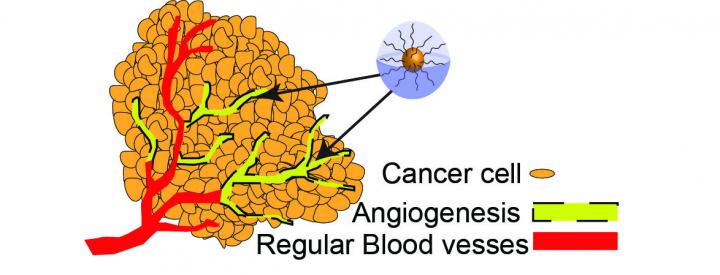
While preventing cancer is impossible, what will be possible soon is making cancer far more manageable, like diabetes, and treatment far less debilitating. A new drug delivery system called a "metronomic dosage regimen," uses significantly lower doses of chemotherapeutic drugs but at more frequent time intervals. This would have multiple goals of killing cancer cells, creating a hostile biological environment for their growth, reducing toxicity from the drug regimen and avoiding the development of resistance to the cancer drugs being used.