Banner
Pilot Study: Fibromyalgia Fatigue Improved By TENS Therapy

Fibromyalgia is the term for a poorly-understood condition where people experience pain and fatigue...

High Meat Consumption Linked To Lower Dementia Risk

Older people who eat large amounts of meat have a lower risk of dementia and cognitive decline...

Long Before The Inca Colonized Peru, Natives Had A Thriving Trade Network

A new DNA analysis reveals that long before the Incan Empire took over Peru, animals were...

Mesolithic People Had Meals With More Tradition Than You Thought

The common imagery of prehistoric people is either rooting through dirt for grubs and picking berries...

User picture.
News StaffRSS Feed of this column.

News Releases From All Over The World, Right To You... Read More »

Blogroll

PHILADELPHIA, Aug. 21, 2016 -- Although rechargeable batteries in smartphones, cars and tablets can be charged again and again, they don't last forever. Old batteries often wind up in landfills or incinerators, potentially harming the environment. And valuable materials remain locked inside. Now, a team of researchers is turning to naturally occurring fungi to drive an environmentally friendly recycling process to extract cobalt and lithium from tons of waste batteries.

The researchers will present their work today at the 252nd National Meeting & Exposition of the American Chemical Society (ACS). ACS, the world's largest scientific society, is holding the meeting here through Thursday. It features more than 9,000 presentations on a wide range of science topics.

PHILADELPHIA, Aug. 21, 2016 -- Most people start racking up scars from an early age with scraped knees and elbows. While many of these fade over time, more severe types such as keloids and scars from burns are largely untreatable. These types of scars are associated with permanent functional loss and, in severe cases, carry the stigma of disfigurement. Now scientists are developing new compounds that could stop scars from forming in the first place.

The researchers are presenting their work today at the 252nd National Meeting & Exposition of the American Chemical Society (ACS). ACS, the world's largest scientific society, is holding the meeting here through Thursday. It features more than 9,000 presentations on a wide range of science topics.

America had an illegal alien problem long before the terrorist attacks of September 11, 2001, but with the border to Mexico so porous, homeland security quickly focused on heightening surveillance - and this racialized Latino immigrants, according to a sociology paper which used media accounts and government reports, often drawn on anecdotes, to make their case.

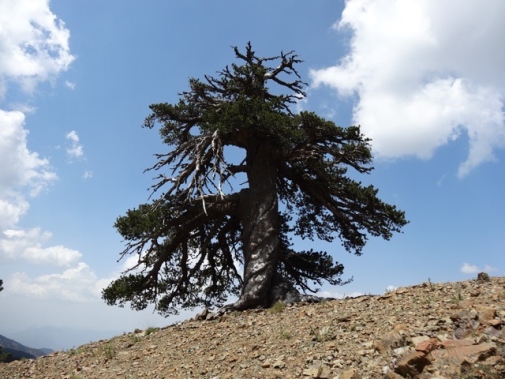
In history, 941 A.D. was unspectacular. Small local politics happened, a temple was built, Kievian Rus and the Byzantine Empire had another outbreak of hostilities - but in modern times, it has an interesting distinction. It was the year Europe's oldest living inhabitant was born.

SEATTLE -- Youth cyberbullying is dramatically more likely to occur between current or former friends and dating partners than between students who were never friends or in a romantic relationship, suggests a new study that will be presented at the 111th Annual Meeting of the American Sociological Association (ASA).

"A common concern regarding cyberbullying is that strangers can attack someone, but here we see evidence that there are significant risks associated with close connections," said Diane Felmlee, the lead author of the study and a professor of sociology at The Pennsylvania State University. "The large magnitude of the effects of close relationships on the likelihood of cyberbullying, even after controlling for many other factors, was particularly surprising."

SEATTLE -- Death and mourning were largely considered private matters in the 20th century, with the public remembrances common in previous eras replaced by intimate gatherings behind closed doors in funeral parlors and family homes.

But social media is redefining how people grieve, and Twitter in particular -- with its ephemeral mix of rapid-fire broadcast and personal expression -- is widening the conversation around death and mourning, two University of Washington (UW) sociologists say.