Banner
Pilot Study: Fibromyalgia Fatigue Improved By TENS Therapy

Fibromyalgia is the term for a poorly-understood condition where people experience pain and fatigue...

High Meat Consumption Linked To Lower Dementia Risk

Older people who eat large amounts of meat have a lower risk of dementia and cognitive decline...

Long Before The Inca Colonized Peru, Natives Had A Thriving Trade Network

A new DNA analysis reveals that long before the Incan Empire took over Peru, animals were...

Mesolithic People Had Meals With More Tradition Than You Thought

The common imagery of prehistoric people is either rooting through dirt for grubs and picking berries...

User picture.
News StaffRSS Feed of this column.

News Releases From All Over The World, Right To You... Read More »

Blogroll

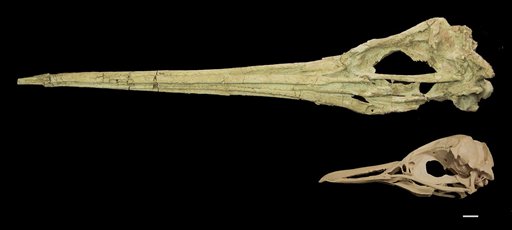
Giant prehistoric penguins? In Peru? It sounds more like something out of Hollywood than science, but a researcher from North Carolina State University along with U.S., Peruvian and Argentine collaborators has shown that two heretofore undiscovered penguin species reached equatorial regions tens of millions of years earlier than expected and during a period when the earth was much warmer than it is now.

Paleontologist Dr. Julia Clarke, assistant professor of marine, earth and atmospheric sciences at NC State, and colleagues studied two newly discovered extinct species of penguins. Peruvian paleontologists discovered the new penguins’ sites in 2005.


Modern and ancient penguin skulls side-by-side.

Recent studies showing that commonly used anesthetic agents can cause brain damage in animals don't prove that similar harmful effects occur in human newborns—and shouldn't affect current approaches to anesthesia in preterm and ill infants, according to a leading expert on pain management in newborns.

The July issue of the journal Anesthesiology features an editorial by Dr. Kanwaljeet J.S. Anand, Professor of Pediatrics, Anesthesiology, Pharmacology, Neurobiology & Developmental Sciences in the College of Medicine, University of Arkansas for Medical Sciences and Director of the Pain Neurobiology Lab at Arkansas Children’s Hospital Research Institute.

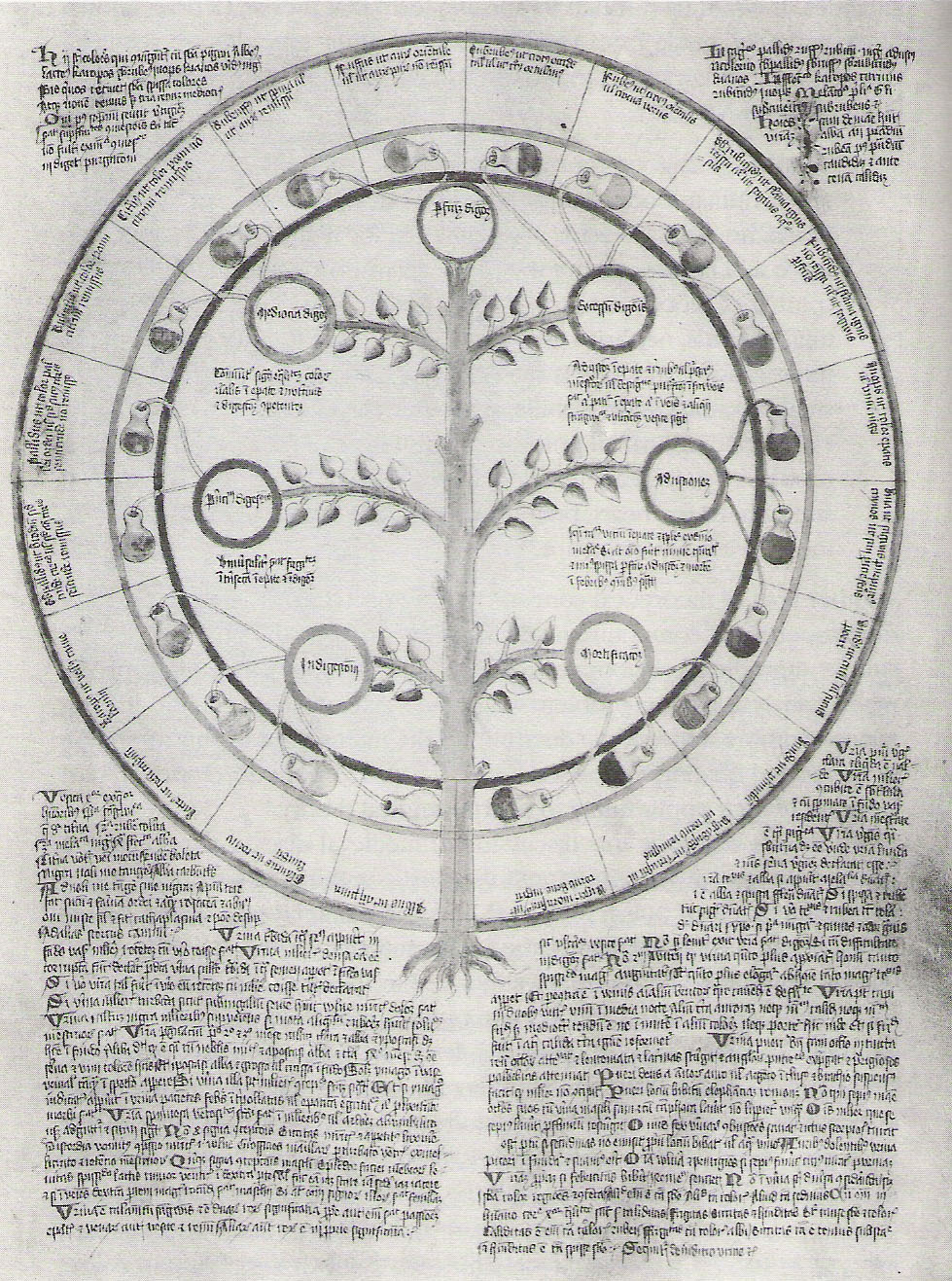
Folk medicine, prayer, astrology, spells, mysticism - your treatment for disease in medieval times mattered most on the beliefs of the people around you rather than a codified study of the body.

It was commonly believed that body health resulted from a balance of the 'humours' in the body - black bile, phlegm and blood and yellow bile- and that a lack of balance meant an issue with a particular organ. Even today those beliefs are prevalent in the use of terms that described them then - if you have ever heard someone described as 'melancholic', it refers to an issue with their spleen resulting in too much black bile.

Many of the practices used then are still in use today.

18-year old Nicholas Tan Xue-Wei will soon depart for the U.S. to present a research paper at The 2007 World Congress in Computer Science, Computer Engineering, and Applied Computing (WORLDCOMP'07), June 25 to 28, in Las Vegas.

Before returning home to Singapore, Nicholas will continue to represent Singapore's Bioinformatics Institute by presenting his research paper at the World Congress on Engineering 2007 (WCE 2007), July 2 to 4 in London.

Nicholas will speak about his research paper, titled “Towards A Serum-Free Medium: Growth Receptors And Signaling Pathways That Regulate Multipotency In Human Mesenchymal Stem Cells."

A team of American and Irish researchers has concluded that the mysterious appearance in 2001 of an infant female bonnethead shark at Omaha's Henry Doorly Zoo in a tank that held only two adult female sharks was the result of parthenogenesis (Gr. virgin birth.) Parthenogenic reproduction takes place without fertilization by a male through the process of cell division, when the mother's egg fuses with a degenerative cell called a polar body, producing a new individual.

What does this mean for the evolution of the species?

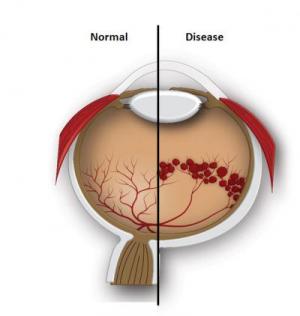
Increasing intake of the omega-3 fatty acids DHA and EPA, found in popular fish-oil supplements, may protect against blindness resulting from abnormal blood vessel growth in the eye, according to a study done at Children's Hospital Boston. The study was done in mice, but a clinical trial will soon begin testing the effects of omega-3 supplementation in premature babies, who are at risk for vision loss.

Abnormal vessel growth is the cause of retinopathy of prematurity, diabetic retinopathy in adults, and "wet" age-related macular degeneration, three leading causes of blindness.