Banner
Pilot Study: Fibromyalgia Fatigue Improved By TENS Therapy

Fibromyalgia is the term for a poorly-understood condition where people experience pain and fatigue...

High Meat Consumption Linked To Lower Dementia Risk

Older people who eat large amounts of meat have a lower risk of dementia and cognitive decline...

Long Before The Inca Colonized Peru, Natives Had A Thriving Trade Network

A new DNA analysis reveals that long before the Incan Empire took over Peru, animals were...

Mesolithic People Had Meals With More Tradition Than You Thought

The common imagery of prehistoric people is either rooting through dirt for grubs and picking berries...

User picture.
News StaffRSS Feed of this column.

News Releases From All Over The World, Right To You... Read More »

Blogroll

Using a new computational method called NetworKIN, researchers at Mount Sinai Hospital, MIT and EMBL can now use biological networks to better identify relationships between molecules, including regulation of protein networks that will ultimately help to target human disease.

“Our method works a bit like getting a recommendation from Amazon,” says Dr. Peer Bork, group leader at EMBL. “The fact that certain books have been bought by the same customers tells you that they have something in common. In the same way biological networks tell us about shared features between different proteins. These help us predicting which kinases are likely to act on them.”

Samuel Isaac Weissman, a professor and chemist who helped develop the first atomic bomb as part of the Manhattan Project, has died, his wife said Friday. He was 94.

Weissman died Tuesday in St. Louis. His wife, Jane Loevinger, said a cause of death was not known.

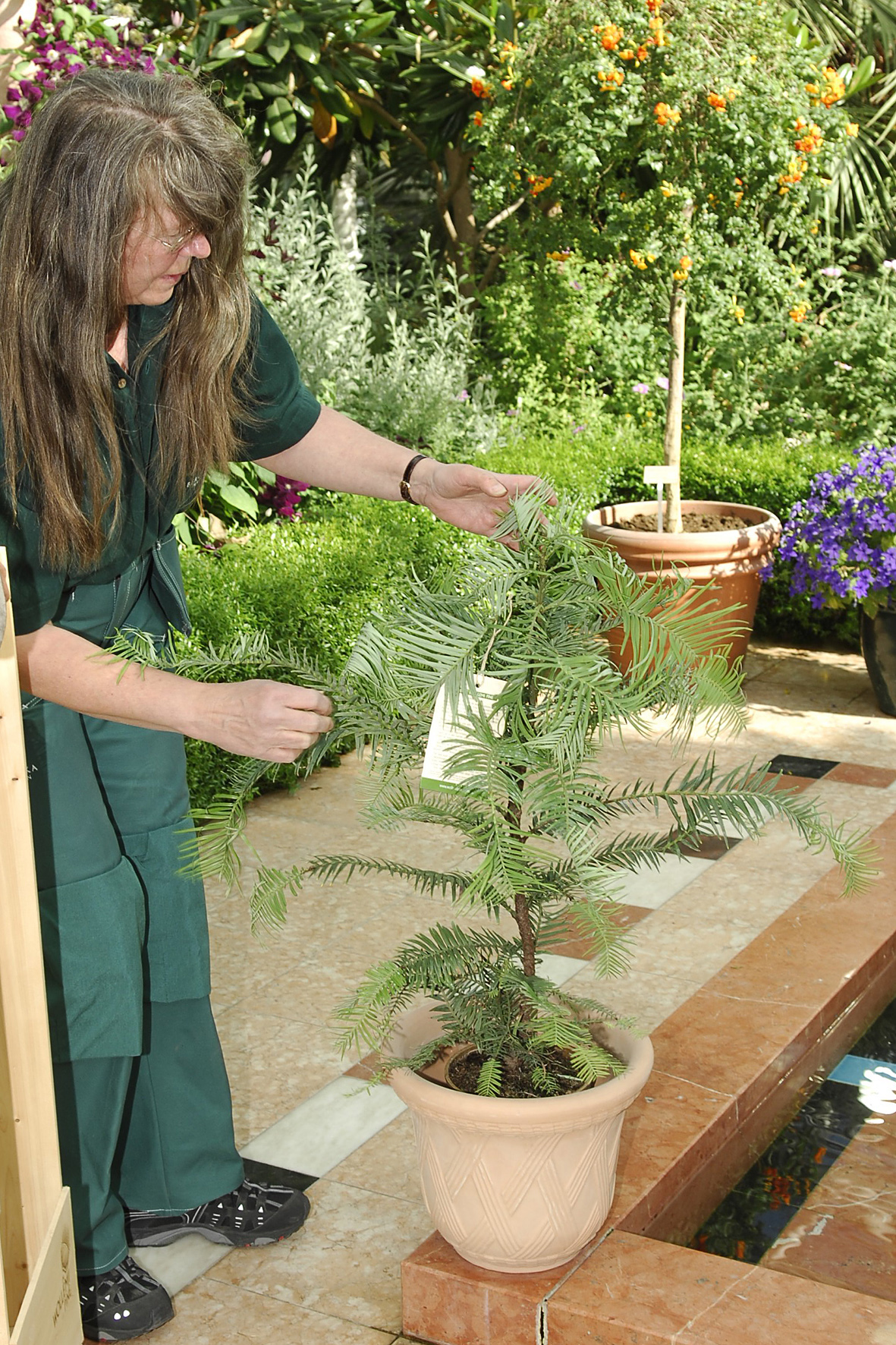
A specimen of the Wollemi pine, an Australian conifer and one of the world's oldest tree species, has been donated to Bergianska Garden at Stockholm University in Sweden.

The Wollemi was discovered on September 10, 1994, in an isolated valley in Wollemi National Park in New South Wales, about 150 km northwest of Sydney. It is estimated to be about 200 million years old, from earth's Jurassic Period, so it was around even before the Australian continent was formed.


Wollemi Pine sample

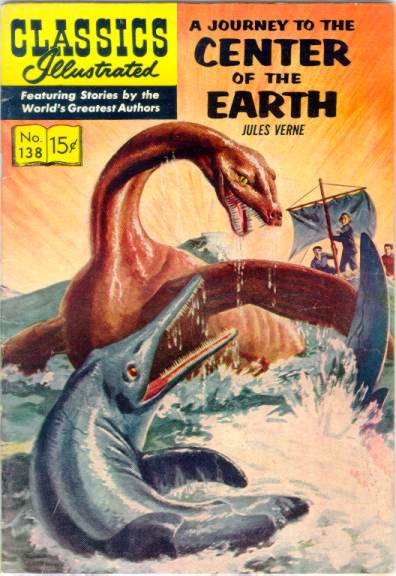
Humans have yet to see Earth's center, as did the characters in Jules Verne's science fiction classic, "Journey to the Center of the Earth." But a new NASA study proposes a novel technique to pinpoint more precisely the location of Earth's center of mass and how it moves through space.

Knowing the location of the center of mass, determined using measurements from sites on Earth's surface, is important because it provides the reference frame through which scientists determine the relative motions of positions on Earth's surface, in its atmosphere and in space.

Rare, previously undetectable drug-resistant forms of HIV have been identified by Yale School of Medicine researcher Michael Kozal, M.D., using an innovative genome sequencing technology that quickly detects rare viral mutations.

Kozal, associate professor of medicine at Yale and senior author of the retrospective study that used samples from an earlier clinical trial, presented the findings today at the 16th International HIV Drug Resistance Workshop in Barbados. “We found that the fraction of HIV patients that harbored resistance mutations is at least twice as high as previously thought,” said Kozal, who also directs the HIV Program at the VA Connecticut Healthcare System.

A tiny single-celled organism that plays a key role in the carbon cycle of cold-water oceans may be a lot smarter than scientists had suspected.

Researchers report the first evidence that a common species of saltwater algae – also known as phytoplankton – can change form to protect itself against attack by predators that have very different feeding habits. To boost its survival chances, Phaeocystis globosa will enhance or suppress the formation of colonies based on whether nearby grazers prefer eating large or small particles.


Suppressing colony formation is a useful strategy against copepods because they prefer to eat colonies of phytoplankton.