Banner
Pilot Study: Fibromyalgia Fatigue Improved By TENS Therapy

Fibromyalgia is the term for a poorly-understood condition where people experience pain and fatigue...

High Meat Consumption Linked To Lower Dementia Risk

Older people who eat large amounts of meat have a lower risk of dementia and cognitive decline...

Long Before The Inca Colonized Peru, Natives Had A Thriving Trade Network

A new DNA analysis reveals that long before the Incan Empire took over Peru, animals were...

Mesolithic People Had Meals With More Tradition Than You Thought

The common imagery of prehistoric people is either rooting through dirt for grubs and picking berries...

User picture.
News StaffRSS Feed of this column.

News Releases From All Over The World, Right To You... Read More »

Blogroll

Even before President Obama announced the Environmental Protection Agency’s (EPA) Clean Power Plan on August 3 to regulate carbon emissions from power plants, there were a number of legal challenges to block the law at its proposal stage – none of them successful. Earlier this year, the DC Circuit court told opponents, which included a coal company joined by twelve states, that their arguments were premature.

Now that the rules are final, the new court challenges will come fast and heavy. The legal arguments against the plan will be focused on two issues.

Churning raw milk sufficiently creates butter. Squirting lemon juice coagulates it into curd. These two phenomena are not as straightforward as they sound on the molecular level.

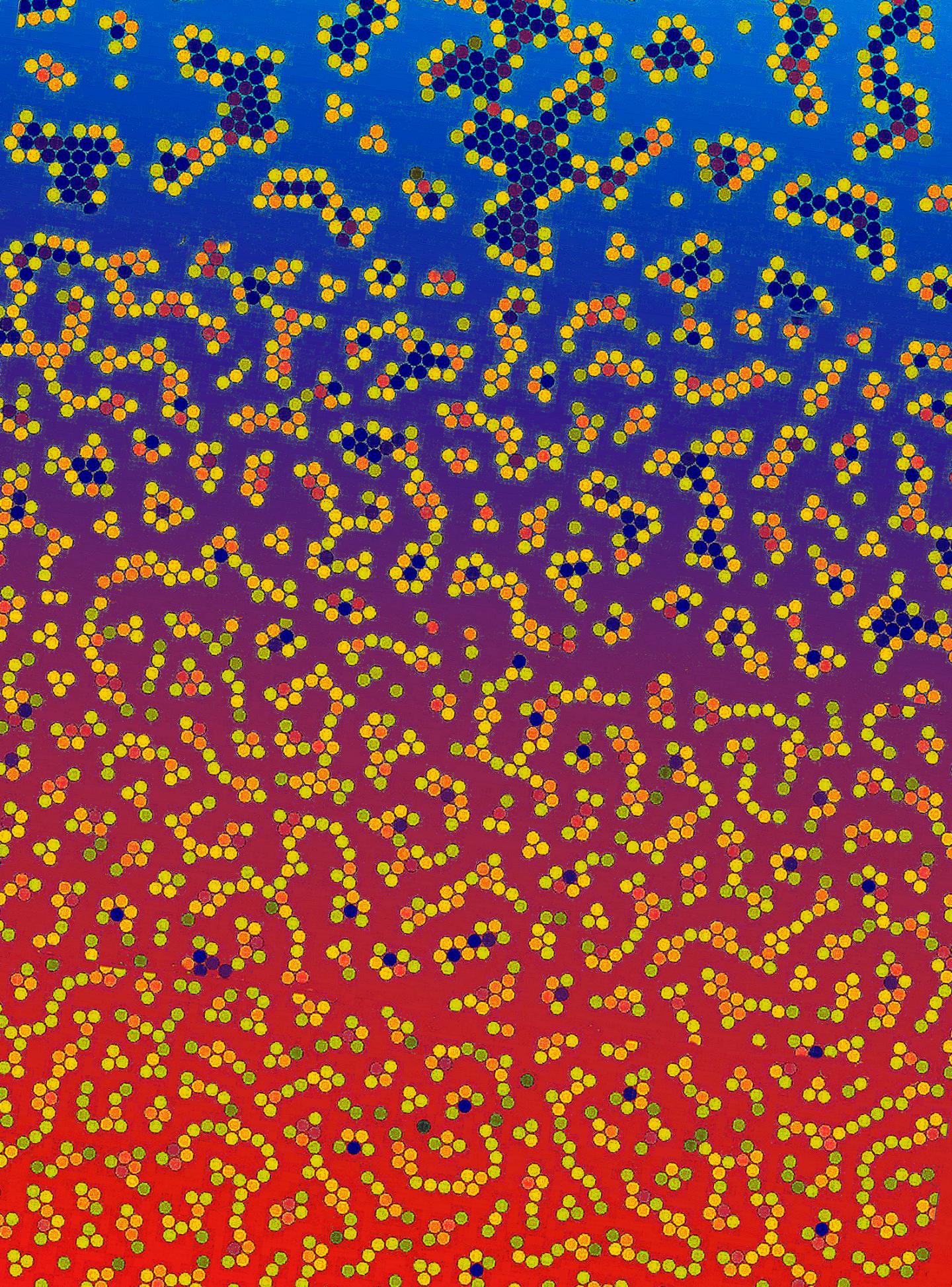
When milk is churned, the fat molecules in it come closer to form aggregates. Lemon juice increases milk's acidity and creates similar molecular lumps. Yet butter and curd are not solids because in both cases, the aggregated molecules still maintain consistent distances from each other, behaving as if they are part of a liquid.

Understanding how and why we evolved such large brains is one of the most puzzling issues in the study of human evolution. It is widely accepted that brain size increase is partly linked to changes in diet over the last 3 million years, and increases in meat consumption and the development of cooking have received particular attention from the scientific community.

In a new study, Dr. Karen Hardy and her team bring together archaeological, anthropological, genetic, physiological and anatomical data to argue that carbohydrate consumption, particularly in the form of starch, was critical for the accelerated expansion of the human brain over the last million years, and co-evolved both with copy number variation of the salivary amylase genes and controlled fire use for cooking.

Researchers investigated how frequent, long-distance travel is represented in mass and social media. They found that the images portrayed do not take into account the damaging side effects of frequent travel such as jet-lag, deep vein thrombosis, radiation exposure, stress, loneliness and distance from community and family networks.

Instead, the study found that those with 'hyper-mobile' lifestyles were often seen as having a higher social status. By assessing how first-class flights, 'must-see' destinations and frequent-flyer programs are represented, glamorizing hypermobility as exciting, appealing and exclusive, the study shows how the 'dark side' of travel is ignored. 

Prolonged spaceflight may give you a nasty case of diarrhea, at least if you are a mouse. Specifically, when mice were subjected to simulated spaceflight conditions, the balance of bacteria and the function of immune cells in the gut changed, leading to increased bowel inflammation.  

When it comes to vaccinating their babies, bees don't have a choice -- they naturally immunize their offspring against specific diseases found in their environments. And now for the first time, scientists have discovered how they do it.

Researchers from Arizona State University, University of Helsinki, University of Jyväskylä and Norwegian University of Life Sciences made the discovery after studying a bee blood protein called vitellogenin. The scientists found that this protein plays a critical, but previously unknown role in providing bee babies protection against disease.