Banner
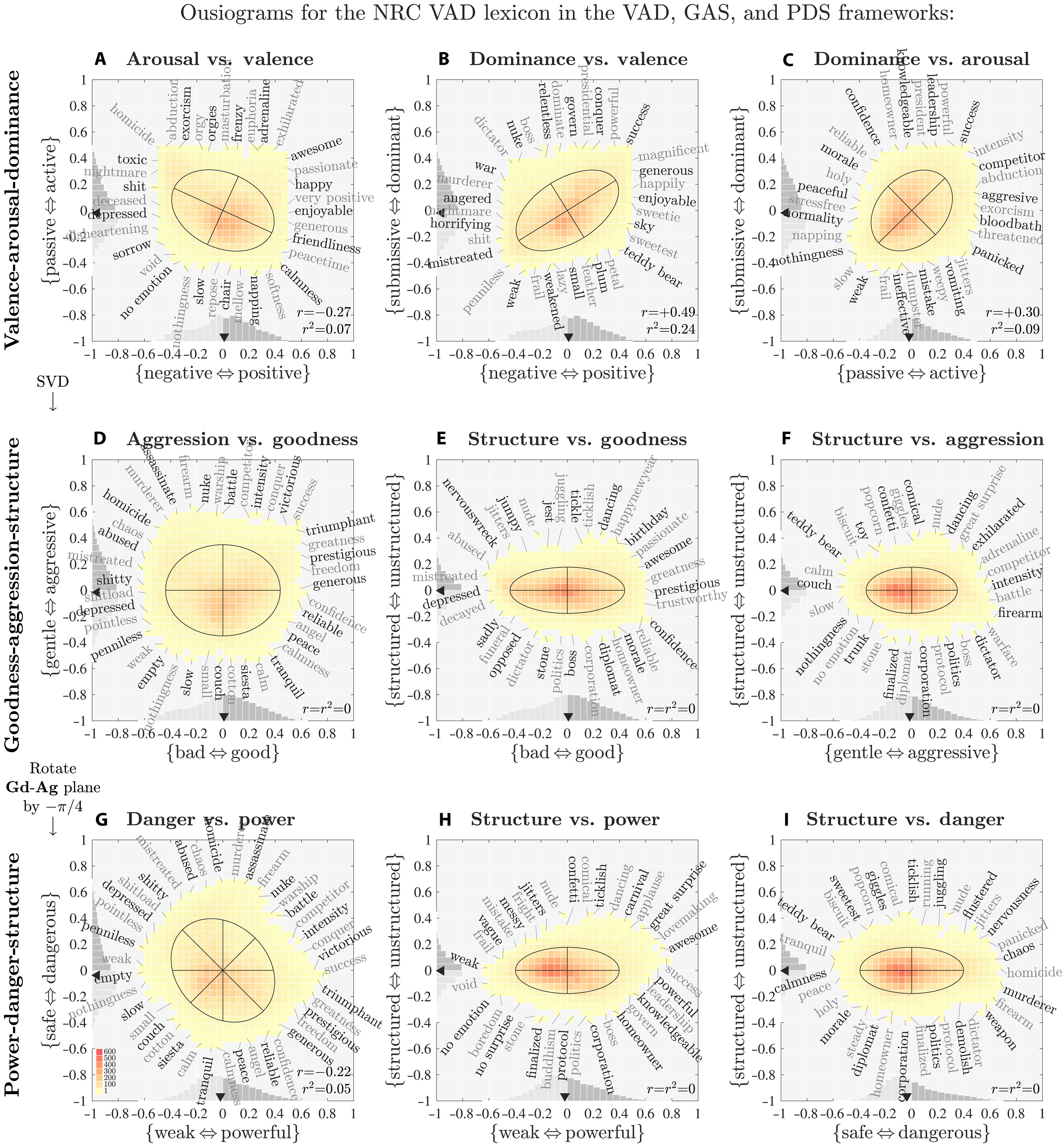
Ousiometrics Analysis Says All Human Language Is Biased

A new tool drawing on billions of uses of more than 20,000 words and diverse real-world texts claims...
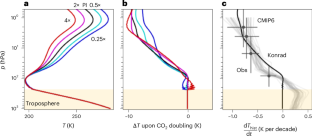
Wavelengths Of Light Are Why CO2 Cools The Upper Atmosphere But Warms Earth

There are concerns about projected warming on the Earth’s surface and in the lower atmosphere...

Here's Where Your Backyard Was 300 Million Years Ago

We may use terms like "grounded" and terra firma to mean stability and consistency but geology...

Convergent Evolution Cheat Sheet Now 120 Million Years Old

One tenet of natural selection is a random walk of genes but nature may be more predictable than...

User picture.
News StaffRSS Feed of this column.

News Releases From All Over The World, Right To You... Read More »

Blogroll

Some people avoid risk while others will roll the dice with wealth, health, and safety. Is it just personality? Media influence?

Researchers led by Ifat Levy, assistant professor in comparative medicine and neurobiology at Yale School of Medicine believe that the volume of the parietal cortex in the brain can predict where people fall on the risk-taking spectrum. 

People with blood type AB may be more likely to develop memory loss in later years than people with other blood types, according to a paper in Neurology, but what does that really mean?

AB is the least common blood type, found in about 4 percent of the U.S. population. The study found that people with AB blood were 82 percent more likely to develop the thinking and memory problems that can lead to dementia than people with other blood types.

Previous studies have shown that people with type O blood have a lower risk of heart disease and stroke, factors that can increase the risk of memory loss and dementia but those are based on epidemiological fishing expeditions.  Is there really a link?

A pop song goes that rainy days and Mondays bring people down. There was always some truth to that and a new paper in JAMA quantifies the link between a lack of sunshine and suicide. The authors found that lower rates of suicide are associated with more daily sunshine in the prior 14 to 60 days.

Light interacts with brain serotonin systems and possibly influences serotonin-related behaviors. Those behaviors, such as mood and impulsiveness, can play a role in suicide.

Gibbons are small, tree-living apes from Southeast Asia, many species of which are endangered. They are part of the same superfamily as humans and great apes, but sit on the divide between Old-World monkeys and the great apes.

These creatures have several distinctive traits, such as an unusually large number of chromosomal rearrangements, and different numbers of chromosomes are seen in individual species.

Researchers recently completed analysis of the mobile elements in the gibbon genome. This included the characterization of the mobile genetic element called LAVA. LAVA is made up of pieces of known jumping genes and named after its main components: L1, Alu, and the VA section of SVA mobile elements.

By tracking seismic shifts, researchers say they may be able to predict a major quake off the coast of Istanbul.

When a segment of a major fault line goes quiet, it can mean one of two things - an inactive “seismic gap” which is the result of two tectonic plates placidly gliding past each other, or the seismic gap may be filled by an earthquake after quietly building tension for decades.

Researchers say they have found evidence for both types of behavior on different segments of the North Anatolian Fault — one of the most energetic earthquake zones in the world. The fault, similar in scale to California’s San Andreas Fault, stretches for about 745 miles across northern Turkey and into the Aegean Sea.

Males get more diagnoses of Autism Spectrum Disorders than females and it may be related to changes in the brain's estrogen signaling, writes a paper in Molecular Autism.

 Autism Spectrum Disorders are a broad category of diagnoses that include brain development and assessments of impaired social interaction, along verbal and non-verbal communication and restricted and repetitive behavior. The disorders may have a genetic basis and are around four times more common in men than in women. They have been associated with higher levels of the sex hormone testosterone, but whether there is a relationship between the disorders and estrogen signaling was not known.