Banner
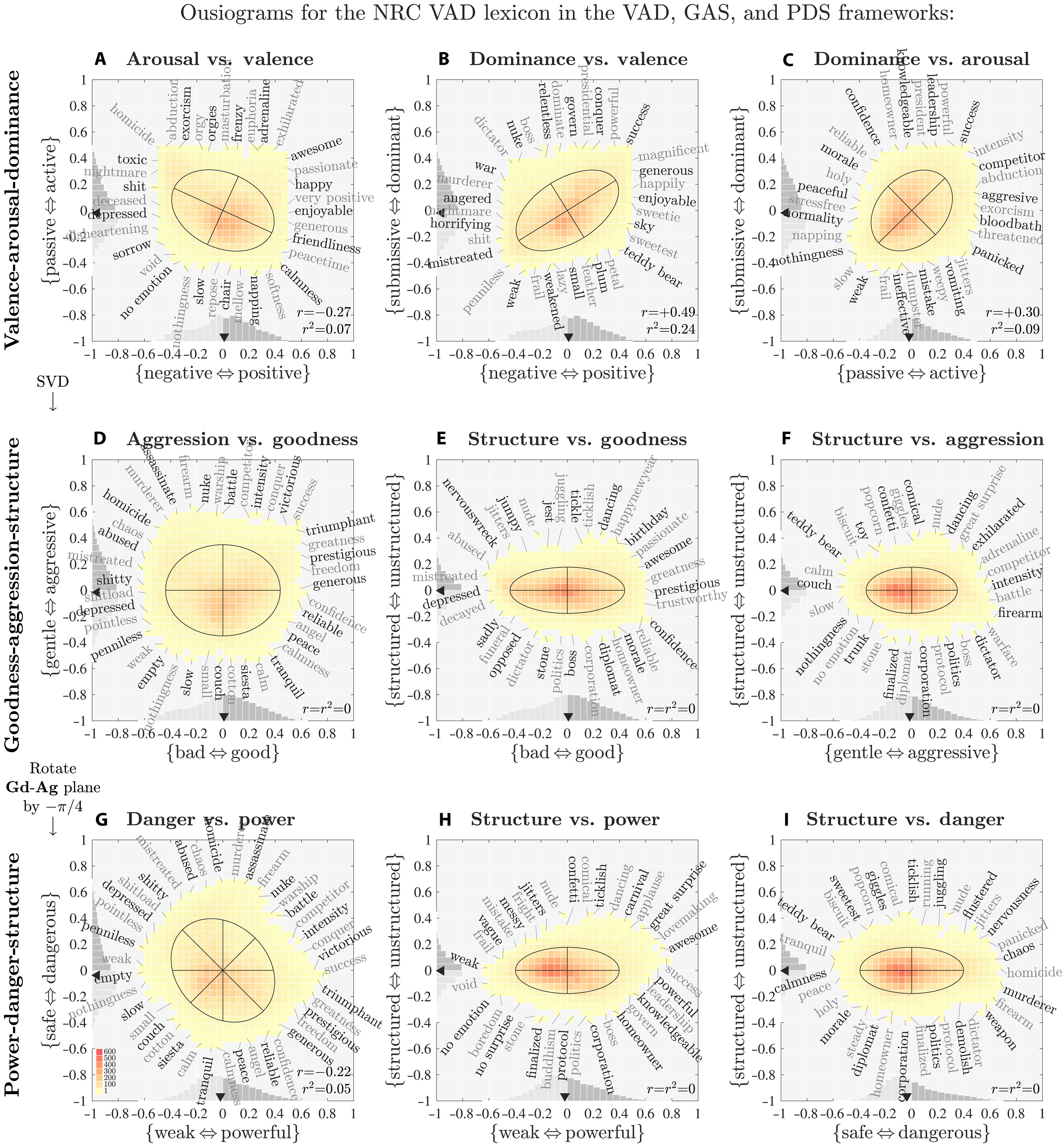
Ousiometrics Analysis Says All Human Language Is Biased

A new tool drawing on billions of uses of more than 20,000 words and diverse real-world texts claims...
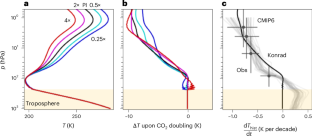
Wavelengths Of Light Are Why CO2 Cools The Upper Atmosphere But Warms Earth

There are concerns about projected warming on the Earth’s surface and in the lower atmosphere...

Here's Where Your Backyard Was 300 Million Years Ago

We may use terms like "grounded" and terra firma to mean stability and consistency but geology...

Convergent Evolution Cheat Sheet Now 120 Million Years Old

One tenet of natural selection is a random walk of genes but nature may be more predictable than...

User picture.
News StaffRSS Feed of this column.

News Releases From All Over The World, Right To You... Read More »

Blogroll

For burn victims, guarding wounds against infection is critical but wrapping wound dressings around fingers and toes can be tricky. Scientists have reporting the development of novel, ultrathin coatings - nanosheets - that can cling to the body's most difficult-to-protect contours and keep bacteria at bay. 

Yosuke Okamura, Ph.D., explains that existing wound dressings work well when it comes to treating burns on relatively flat and broad areas. But the human body has curves, wrinkles and ridges that present problems for these dressings. So Okamura's team developed a novel biomaterial out of tiny pieces of nanosheets that are super-flexible and sticky and they have tested them successfully on mice. 

It has been understood for many years that tendons are highly prone to injury and that this likelihood increases as they age. Why this happens is currently poorly understood. A recent study went about examining the mechanisms that cause aging in the tendons of horses and find it may be possible to design better treatment for humans.

The body's assailants are cleverer than previously thought. New research from Lund University in Sweden shows for the first time how bacteria in the airways can help each other replenish vital iron. The bacteria thereby increase their chances of survival, which can happen at the expense of the person's health.

The bacteria Haemophilus influenzae is a type of bacteria in the respiratory tract that can cause ear infections and worsen the prognosis for COPD patients. In rare cases, it can also lead to meningitis and septicaemia.

New discoveries about how butterflies feed could help engineers develop tiny probes that siphon liquid out of single cells for a wide range of medical tests and treatments.

The research has brought together Clemson's materials scientists and biologists who have been focusing on the proboscis, the mouthpart that many insects used for feeding.

For materials scientists, the goal is to develop what they call "fiber-based fluidic devices," among them probes that could eventually allow doctors to pluck a single defective gene out of a cell and replace it with a good one, said Konstantin Kornev, a Clemson materials physics professor. "If someone were programmed to have an illness, it would be eliminated," he said.

The Intergovernmental Panel on Climate Change (IPCC), a United Nations geographically-chosen group of climate researchers, is the most high-profile science body in the world. Publicly they state that short-term weather events not be linked to climate change, since if every heat wave is called proof of global warming, every snowstorm will be called proof against it.

Despite UN cautions, numerous papers still link short-term weather events to climate change. In Climate Dynamics,
Florida State University geography professor

Researchers have discovered an enzyme that regulates production of the toxins that contribute to potentially life-threatening Staphylococcus aureus infections. 

The enzym is fatty acid kinase (FAK) and FAK is formed by the proteins FakA and FakB1 or FakB2. The new study demonstrated how FakA and FakB work together to replace fatty acids in the bacterial membrane with fatty acids from the person infected.