Banner
Ousiometrics Analysis Says All Human Language Is Biased

A new tool drawing on billions of uses of more than 20,000 words and diverse real-world texts claims...

Wavelengths Of Light Are Why CO2 Cools The Upper Atmosphere But Warms Earth

There are concerns about projected warming on the Earth’s surface and in the lower atmosphere...

Here's Where Your Backyard Was 300 Million Years Ago

We may use terms like "grounded" and terra firma to mean stability and consistency but geology...

Convergent Evolution Cheat Sheet Now 120 Million Years Old

One tenet of natural selection is a random walk of genes but nature may be more predictable than...

User picture.
News StaffRSS Feed of this column.

News Releases From All Over The World, Right To You... Read More »

Blogroll

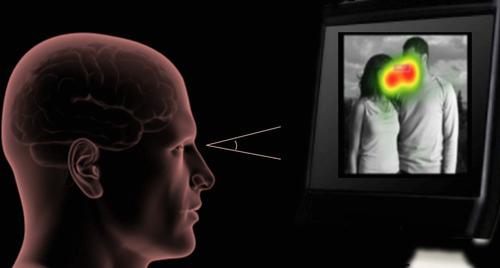
Is there a biomarker that can spot a player versus a potential soul mate? 

University of Chicago psychologists say that if it is so, the difference between love and lust might be in the eyes - specifically, where your date looks at you could indicate whether love or lust is in the cards.

Their work found that eye patterns concentrate on a stranger's face if the viewer sees that person as a potential partner in romantic love, but the viewer gazes more at the other person's body if he or she is feeling sexual desire. That automatic judgment can occur in as little as half a second, producing different gaze patterns.

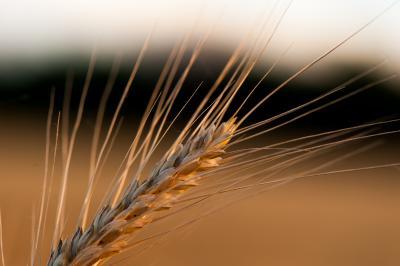
The International Wheat Genome Sequencing Consortium recently published a chromosome-based draft sequence of wheat's genetic code - its genome.

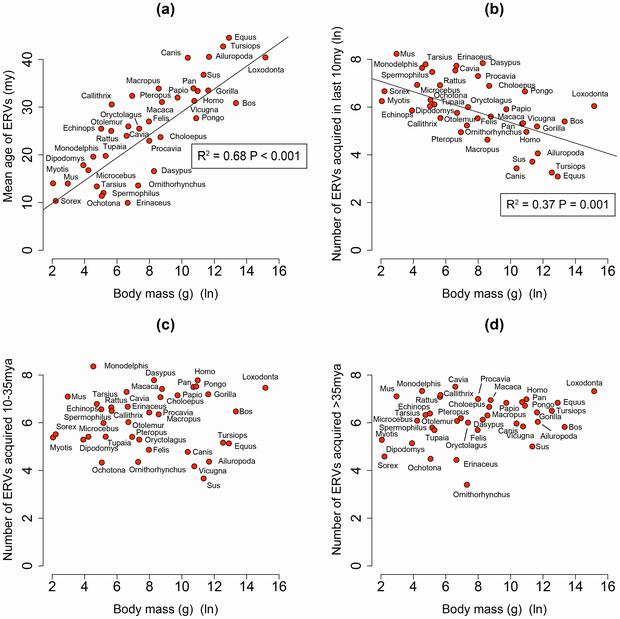
The relics of ancient viruses preserved in the genomes of 38 mammal species have provided insight into cancer’s ‘footprint’ on our evolution.

Viral relics are evidence of the ancient battles our genes have fought against infection. Occasionally the retroviruses that infect an animal get incorporated into that animal’s genome and sometimes these relics get passed down from generation to generation – termed ‘endogenous retroviruses’ (ERVs). Because ERVs may be copied to other parts of the genome they contribute to the risk of cancer-causing mutations.

Despite decades of concern about a looming population bomb and mass starvation, American agriculture has instead 'dematerialized' in a material world: using science, farmers are now feeding more people on less land than ever thought possible.

If science were similarly accepted in Europe and developing nations. we could easily feed 3 billion more people and still decrease agriculture's environmental footprint, according to a paper in Science.

A new small-scale sociology survey finds that the more a woman self-identifies with her profession, the more paid hours she works and the less time she spends with her children, though childcare balance is more equal between a couple. 

Yet the more a woman identifies herself with motherhood, the less time the father spends with the children. And while the more a man self-identifies as a parent the more time he spends with children, this had no impact on the amount of time the woman spends on childcare – regardless of her self-identity.  

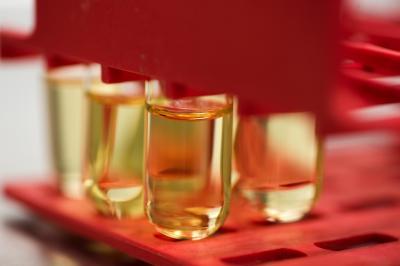
A new study has found a way to prevent some of the most serious foodborne illnesses caused by pathogenic bacteria, like
Escherichia coli (E. coli): cinnamon.

A new paper in Food Control suggests Cinnamomum cassia oil can work effectively as a natural antibacterial agent in the food industry - that's welcome news for organic food, which has higher risks of spreading bacteria like E. coli