Banner
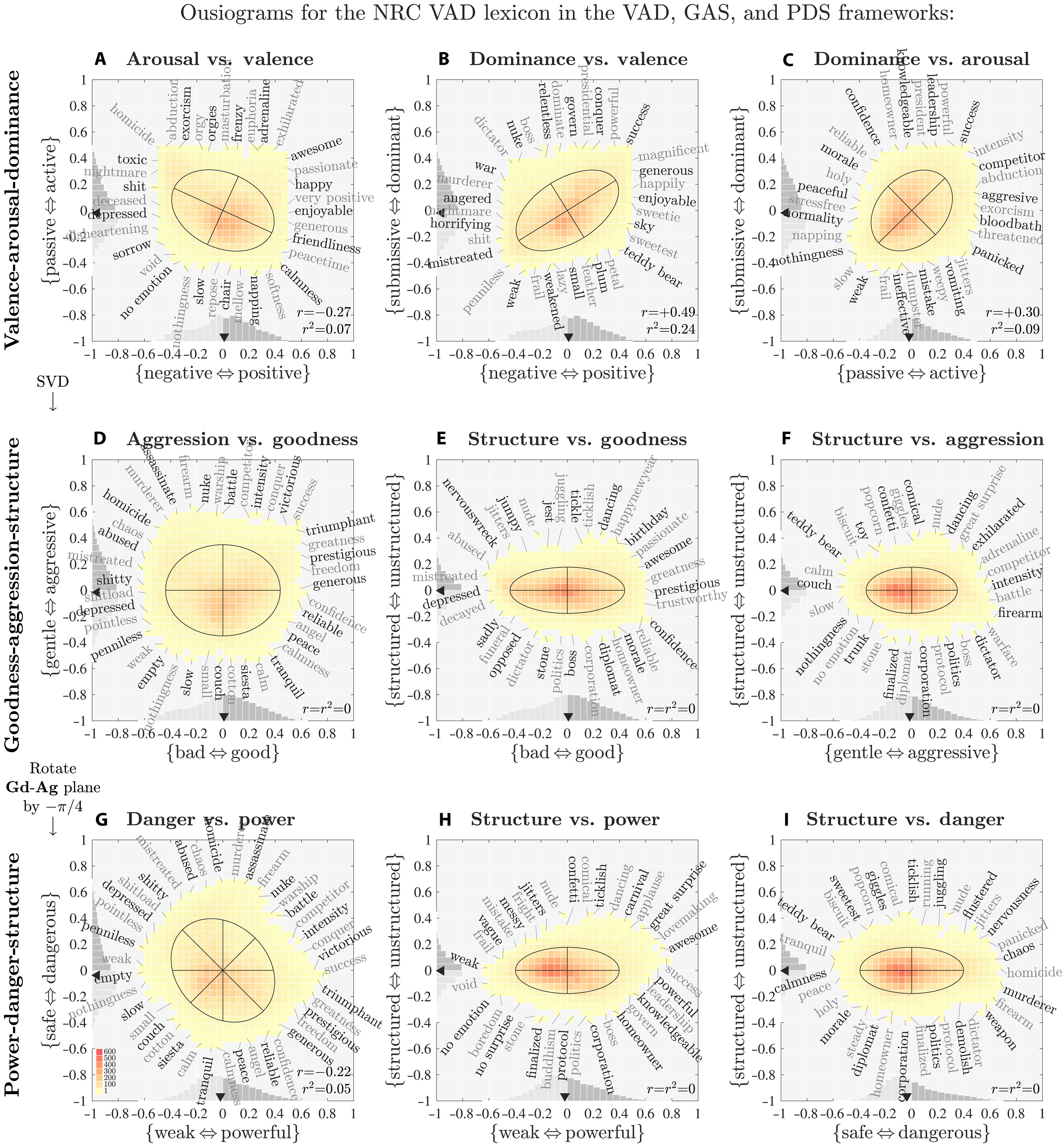
Ousiometrics Analysis Says All Human Language Is Biased

A new tool drawing on billions of uses of more than 20,000 words and diverse real-world texts claims...

Wavelengths Of Light Are Why CO2 Cools The Upper Atmosphere But Warms Earth

There are concerns about projected warming on the Earth’s surface and in the lower atmosphere...

Here's Where Your Backyard Was 300 Million Years Ago

We may use terms like "grounded" and terra firma to mean stability and consistency but geology...

Convergent Evolution Cheat Sheet Now 120 Million Years Old

One tenet of natural selection is a random walk of genes but nature may be more predictable than...

User picture.
News StaffRSS Feed of this column.

News Releases From All Over The World, Right To You... Read More »

Blogroll

Birds come in astounding variety—from hummingbirds to emus—and behave in myriad ways: they soar the skies, swim the waters, and forage the forests. But this wasn't always the case, according to research by scientists at the University of Chicago and the Field Museum.

The researchers found a striking lack of diversity in the earliest known fossil bird fauna (a set of species that lived at about the same time and in the same habitat). "There were no swans, no swallows, no herons, nothing like that. They were pretty much all between a sparrow and a crow," said Jonathan Mitchell, PhD student in the Committee on Evolutionary Biology, and lead author of the new study, published May 28, 2014, in Proceedings of the Royal Society B.

Spontaneous thoughts, intuitions, quick impressions, we all have random thoughts popping into our minds on a daily basis and sometimes they even pop out of our mouths.

What to make of unplanned, spur-of-the-moment thoughts? If you know bad psychologists, you know they can't attend a Christmas party without declaring the entire room as having Asperger's based on snap judgments, but how do we view ourselves? Do we view spontaneous thoughts as coincidental wanderings of a restless mind, or as revealing meaningful insight?

Though we share superficial physical similarities, the cognitive differences between humans and our closest living cousins, the chimpanzees, are obvious - we metaphorically throw feces at each other while they do it literally. We have been able to use our superior mental abilities to construct civilizations and manipulate our environment to our will, allowing us to take over our planet and walk on the moon while the chimps grub around in a few remaining African forests.

Can you predict how sensitive your sense of taste is by sticking your tongue out and counting the bumps?

A long-standing hypothesis says this is so. But a little crowdsourcing of science - what used to be called doing a study - disproved that idea that "supertasters" owe their special sensitivity to bitter tastes to an usually high density of taste buds on their tongue, according to a paper in Frontiers in Integrative Neuroscience.

Older people who undertake at least 25 minutes of moderate or vigorous exercise everyday need fewer prescriptions and are less likely to be admitted to hospital in an emergency, new research has revealed.

The findings, published in the journal PLOS ONE, reinforce the need for exercise programmes to help older people stay active. It could also reduce reliance on NHS services and potentially lead to cost savings.

In the first study of its kind looking at this age group, researchers from the University of Bristol looked at data from 213 people whose average age was 78.

A retrospective study used large population-based data to compare the risk of hospitalization for six common chemotherapy regimens.  The work gives in the Journal of Clinical Oncology gives oncologists a new understanding of the toxicity levels of specific chemotherapy regimens used for women with early stage breast cancer, according to the authors from The University of Texas MD Anderson Cancer Center. 

 There have been several prior publications in the health services research field addressing chemotherapy toxicity using claims data, but they don't outline specific chemotherapy regimens.