
Banner
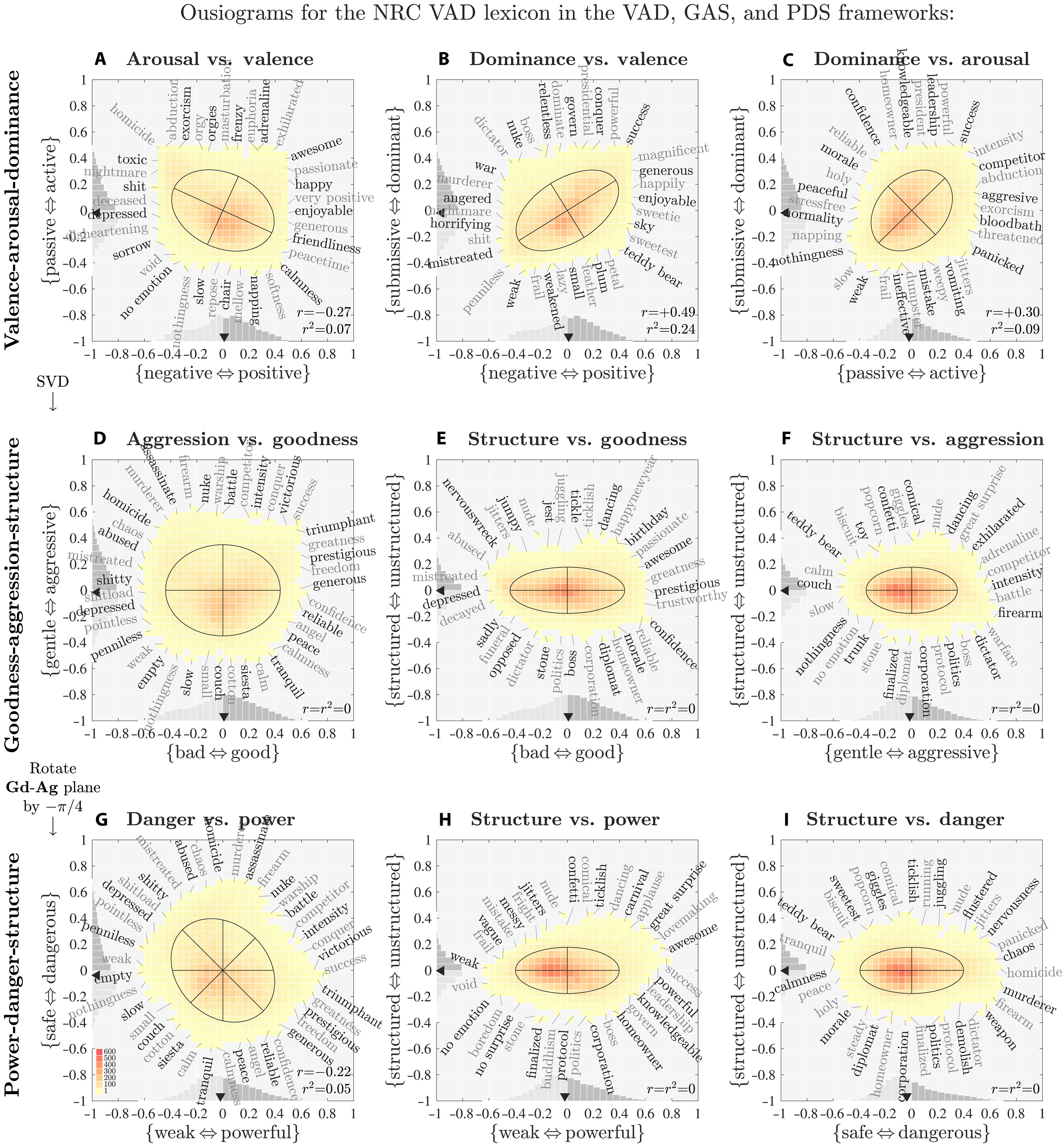
Ousiometrics Analysis Says All Human Language Is Biased

A new tool drawing on billions of uses of more than 20,000 words and diverse real-world texts claims...
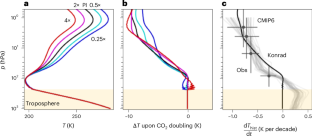
Wavelengths Of Light Are Why CO2 Cools The Upper Atmosphere But Warms Earth

There are concerns about projected warming on the Earth’s surface and in the lower atmosphere...

Here's Where Your Backyard Was 300 Million Years Ago

We may use terms like "grounded" and terra firma to mean stability and consistency but geology...

Convergent Evolution Cheat Sheet Now 120 Million Years Old

One tenet of natural selection is a random walk of genes but nature may be more predictable than...

User picture.
News StaffRSS Feed of this column.

News Releases From All Over The World, Right To You... Read More »

Blogroll

An analysis that included approximately 7 million hospitalizations finds that sepsis contributed to 1 in every 2 to 3 deaths, and most of these patients had sepsis at admission, according to a study published by JAMA. The study is being released early online to coincide with its presentation at the American Thoracic Society International Conference.

Sepsis, the inflammatory response to infection, affects millions of patients worldwide. However, its effect on overall hospital mortality has not been fully measured, according to background information in the article.

Physicists say they have discovered how to create matter from light - a feat thought impossible when the idea was first theorized 80 years ago. There is just one problem. In order to test the newest hypothesis, a new& machine would have to be built.

In just one day over several cups of coffee in a tiny office at Imperial College London, three physicists believe they worked out a relatively simple way to physically prove a theory first devised by scientists Breit and Wheeler in 1934. Yes, they solved a puzzle that has eluded the rest of the world in an afternoon. Well, on paper.

A University of Florida study shows that the same bacteria that cause gum disease also promotes heart disease – a discovery that could change the way heart disease is diagnosed and treated. Researchers report their findings today at the annual meeting of the American Society for Microbiology.

"We report evidence that introduction of oral bacteria into the bloodstream in mice increased risk factors for atherosclerotic heart disease. Our hope is that the American Heart Association will acknowledge causal links between oral disease and increased heart disease. That will change how physicians diagnose and treat heart disease patients," says Irina M. Velsko, a graduate student in the University of Florida's College of Medicine, who presented the data.

There is a reason why peeing in your house is not actually a good idea - but some doctors have perpetuated the idea that urine is sterile by using that as a test for urinary tract infections.

Not that you should ever use Wikipedia for anything, but the non-expert hacktivists there botch the urine entry as further evidence. And every year the myth is debunked but it persists.

Bacteria live in the bladders of healthy women, researchers from Loyola University Chicago noted again, this time at the 114th General Meeting of the American Society for Microbiology in Boston.

Patients with pancreatic cancer have a different and distinct profile of specific bacteria in their saliva compared to healthy controls and even patients with other cancers or pancreatic diseases, according to research presented today at the annual meeting of the American Society for Microbiology. These findings could form the basis for a test to diagnose the disease in its early stages.

"Our studies suggest that ratios of particular types of bacteria found in saliva may be indicative of pancreatic cancer," says Pedro Torres of San Diego State University who presented the research.

Researchers have devised a way to watch newly forming AIDS virus particles emerge or "budd" from infected human cells.

They have also found that a protein named ALIX gets involved during the final stages of virus replication, not earlier, as was believed previously.


