
Banner
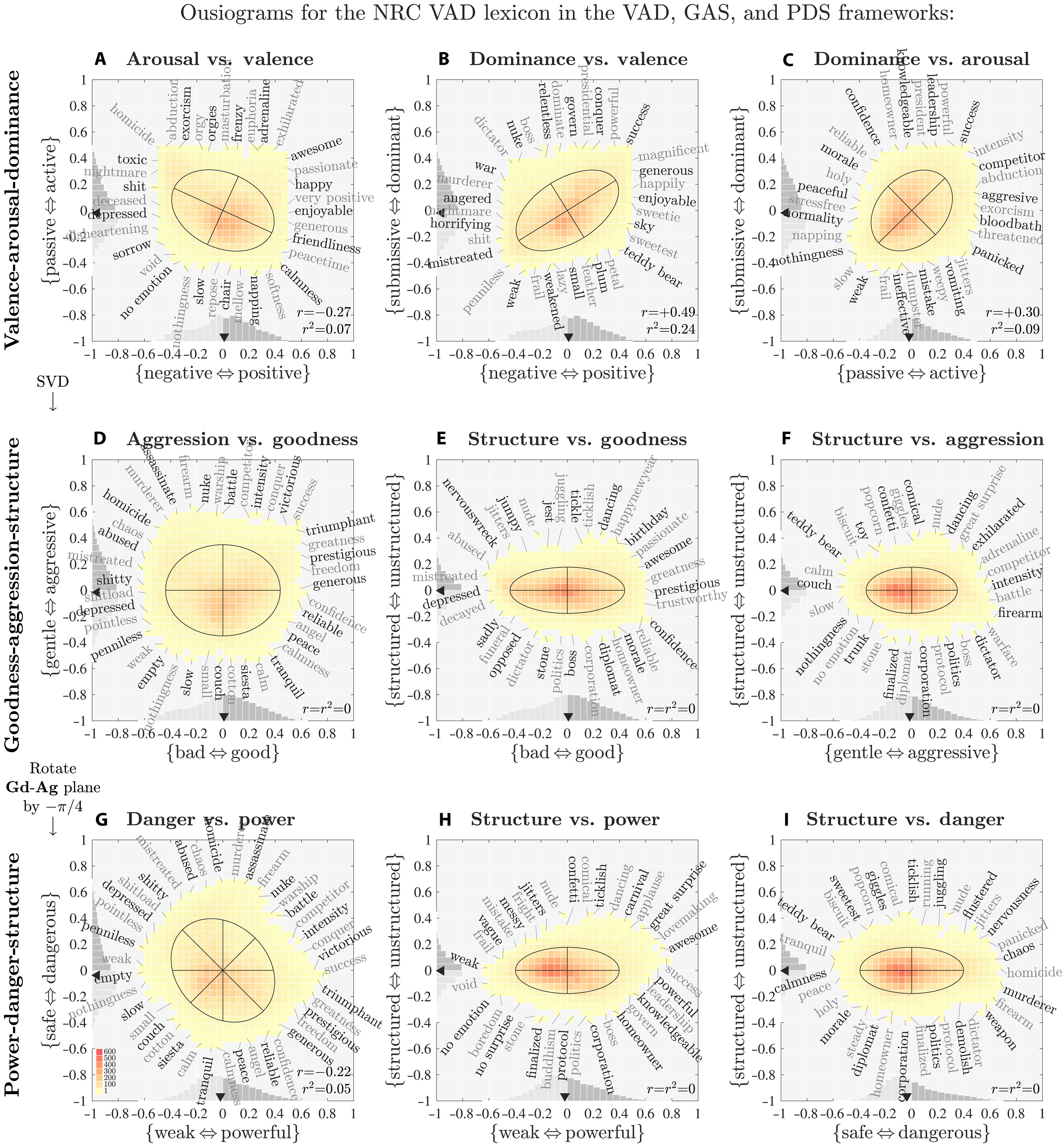
Ousiometrics Analysis Says All Human Language Is Biased

A new tool drawing on billions of uses of more than 20,000 words and diverse real-world texts claims...
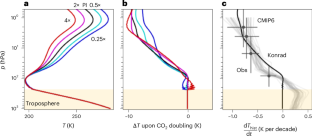
Wavelengths Of Light Are Why CO2 Cools The Upper Atmosphere But Warms Earth

There are concerns about projected warming on the Earth’s surface and in the lower atmosphere...

Here's Where Your Backyard Was 300 Million Years Ago

We may use terms like "grounded" and terra firma to mean stability and consistency but geology...

Convergent Evolution Cheat Sheet Now 120 Million Years Old

One tenet of natural selection is a random walk of genes but nature may be more predictable than...

User picture.
News StaffRSS Feed of this column.

News Releases From All Over The World, Right To You... Read More »

Blogroll

At the surface, Antarctica is a motionless and frozen landscape. Yet hundreds of miles down the Earth is moving at a rapid rate, new research has shown.

The study, led by Newcastle University, UK, and published this week in Earth and Planetary Science Letters, explains for the first time why the upward motion of the Earth's crust in the Northern Antarctic Peninsula is currently taking place so quickly.

Previous studies have shown the earth is 'rebounding' due to the overlying ice sheet shrinking in response to climate change. This movement of the land was understood to be due to an instantaneous, elastic response followed by a very slow uplift over thousands of years.

While most of Antarctica is remaining cold, rapid increases in summer ice melt, glacier retreat and ice shelf collapses are being observed in Antarctic Peninsula, where the stronger winds passing through Drake Passage are making the climate warm exceptionally quickly.

Until this study, published in Nature Climate Change, Antarctic climate observations were available only from the middle of last century.

By analysing ice cores from Antarctica, along with data from tree rings and lakes in South America, Dr Abram and her colleagues were able to extend the history of the westerly winds back over the last millennium.

"The Southern Ocean winds are now stronger than at any other time in the past 1,000 years," Abram said.

Eating more fruits and vegetables may reduce the risk of stroke worldwide, according to new research in the American Heart Association's journal Stroke.

Researchers conducted a meta-analysis of 20 studies published over the last 19 years to assess the effects of fruit and vegetable consumption on risk of stroke globally. The combined studies involved 760,629 men and women who had 16,981 strokes.

Stroke risk decreased by 32 percent with every 200 grams of fruit consumed each day and 11 percent with every 200 grams of vegetables consumed each day.

(SACRAMENTO, Calif.) — Children with autism experience deficits in a type of immune cell that protects the body from infection. Called granulocytes, the cells exhibit one-third the capacity to fight infection and protect the body from invasion compared with the same cells in children who are developing normally.

The cells, which circulate in the bloodstream, are less able to deliver crucial infection-fighting oxidative responses to combat invading pathogens because of dysfunction in their tiny energy-generating organelles, the mitochondria.

The study is published online in the journal Pediatrics.

The anti-wheat movement is a popular health fad in America and critics of that staple now have a new weapon in their culture war - ditching it makes people more cooperative. And they explain Genghis Khan and Mao.

Defenders of wheat have their own ammunition - rice leads to despotism and communism. Cultural psychologists writing in Science claim that they can explain psychological differences between the people of northern and southern China mirror and also the differences between community-oriented East Asia and the more individualistic Western world - southern China has grown rice for thousands of years, whereas the north has grown wheat.

States can pass all of the laws they want but a US Army soldier, active duty or otherwise, is going to be in serious trouble if there is evidence they have used marijuana. It does not matter if you claim to have pain or get a note from your doctor, the Army has its own standards above and beyond what Washington, D.C. mandates and states have no more jurisdiction than foreign countries do.

Yet some soldiers are reckless and risk their careers and among that group, many think Spice - synthetic marijuana - will be harder to detect. Social workers from the University of Washington have found that among active-duty Army personnel they surveyed, Spice is the most abused substance.



