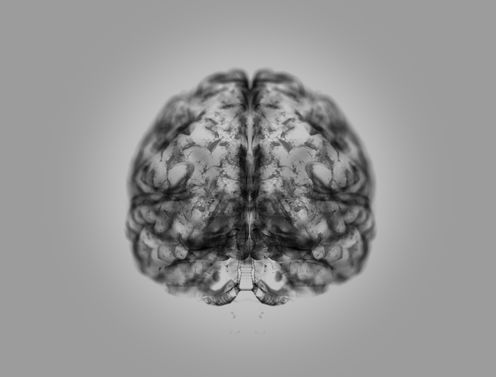
 Neurological and psychiatric conditions both involve the brain, but are treated very differently. Put simply, neurologists are trained to deal with the “brain” and psychiatrists to deal with the “mind”. Neurologists and psychiatrists formally parted company in the late 19th century.
Ever since the days of Sigmund Freud – who was originally a neurologist but is also the father of psychoanalysis – the way we think about brain disorders has been coloured by this artificial divide.
Politicians are arguing with each other about health care. One side is yelling that people have coverage, even if they can't afford to use it and twice as many people will lose than ever got it. Another side claims emergency room visits and pediatric care are a luxury.
What is clear is that something needs to be fixed.
While advocates for the ACA will say that only 6 to 8 percent of US health care expenditures are primary care, critics argue that we already had the best in the world. What is clear to all is that payment models introduced under the Affordable Care Act raised expectations for patients and doctors, but any gains were modest.
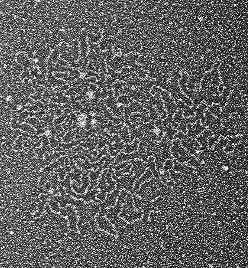
People with cystic fibrosis suffer repeated lung infections because their airway mucus is too thick and sticky to keep bacteria, viruses, and other pathogens from causing chronic infection. How mucus becomes abnormal in
cystic fibrosis
airways has never been fully understood, but a new study has determined that mucin proteins, which give mucus its gel-like properties, fail to unfold normally in
cystic fibrosis
airways, making airway mucus much more thick and sticky than it would be otherwise.
Cystic fibrosis is a rare genetic disease that affects about 70,000 people worldwide. It occurs when a person has two defective copies of the CFTR gene, which triggers the creation of the CFTR protein. When that protein is mutated, the result is cystic fibrosis.
While I was busy reporting the talks at the "Neutrino Telescope" conference in Venice, LHCb released a startling new result, which I have not much time to describe in much detail this evening (it's Friday evening here in Italy and I'm going to call the week off), and yet wish to share with you as soon as possible.
The spectroscopy of low- and intermediate-mass hadrons (whatever this means) is a complex topic which either enthuses particle physicists or bores them to death. There are two reasons for this dycothomic behaviour.
The time of year for
standardized state testing has arrived and if you have school-age children, there’s no way to avoid this topic.
Everyone has strong opinions when it comes to the issue of “opting out,” so how
do you decide what’s best for your child?
To help you make the best decision for your child, let me debunk some common
parental concerns when it comes to opting out:
Will opting out spoil my child or teach them to avoid responsibility?
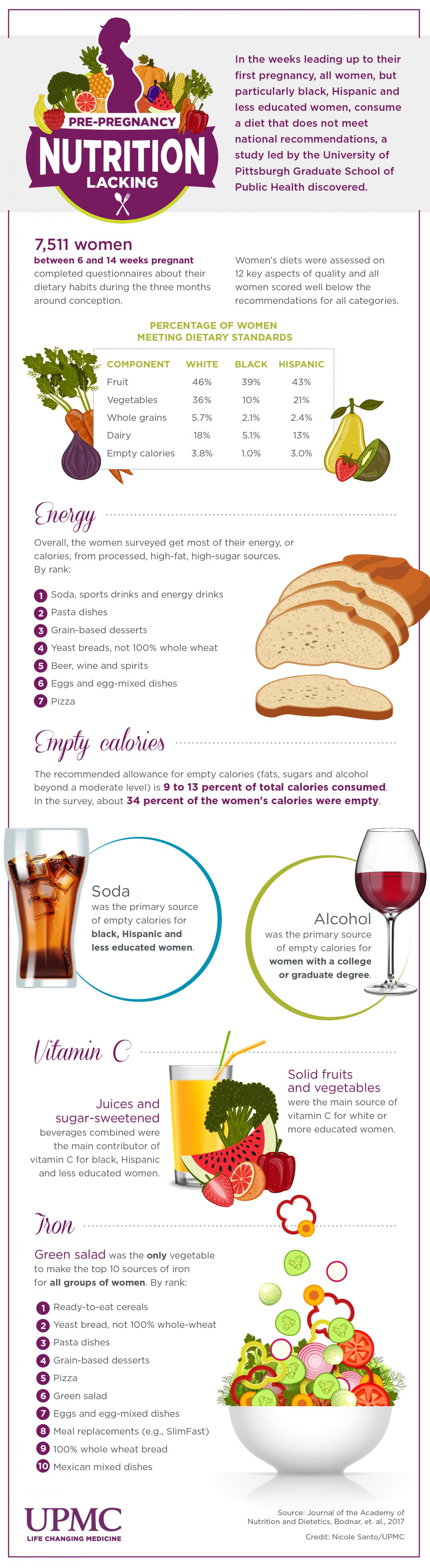
The numerous nutrition guidelines promoted by the U.S. federal government are obeyed by just 2 percent of Americans. If only 2 percent of any population can obey your guidelines, they are a nutritional wishlist created by groups of experts promoting their diet fads, not evidence-based information.
However, one group is constantly criticized by everyone else - pregnant mothers - and a new study shows that no pregnant women in any demographic are able to achieve the Dietary Guidelines for Americans. Which means those guidelines are irrelevant, not that expectant moms need even more criticism.
This is an update to my article: How A "Dwarf Planet" Gas Giant Could Challenge IAU Definition - Pluto, Ceres, Haumea Etc Can All Be Planets. That article pointed out that we could discover a gas giant in our own solar system that satisfies the IAU definition of a "dwarf planet" as it wouldn't clear its orbit if it was far enough away. First, I should have pointed out there that the WISE search has not ruled out gas giants in the remote parts of our solar system.
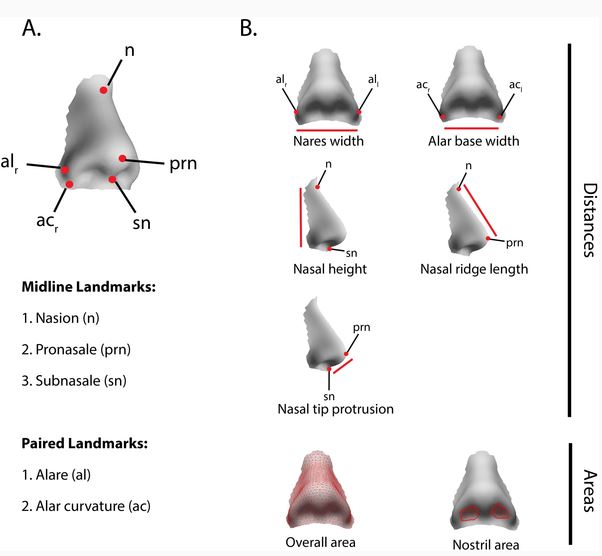
A new paper claims the size and shape of your nose evolved in response to local climate conditions.
The nose is one of our distinctive facial features. It conditions the air we breathe so it is warm and moist when it reaches the lungs, which helps prevent infections. And that may be why people whose ancestors lived in hot, humid places tend to have wider nostrils than people whose ancestors came from cold and dry environments.
In case you haven’t been keeping up-to-date with the latest news in the biotechnology regulatory system (and how could you not?), the system is under revision. As part of the new Coordinated Framework the FDA stated it would clarify how it will deal with the hot-button topic of genome editing, and update its guidance documents accordingly. As part of this process the FDA opened
a docket on regulations.gov to receive public comments about the issue. As you might expect, a large majority of the comments have been less than scientific.
They are asking for your evidence-based input. Please give it to them!