




David Bowie famously issued 'Bowie bonds'. Do artists have viable alternatives to copyright? EPA/Nils Meilvang


Much of the creative work we value – whether it’s films, music, novels, or TV shows – requires a significant input of time and resources.

The established method for raising the resources to fund such work is copyright – which gives creators an exclusive right to communicate their work to the public (with some small limitations). In its most familiar use, creators raise resources by selling copies of their work.

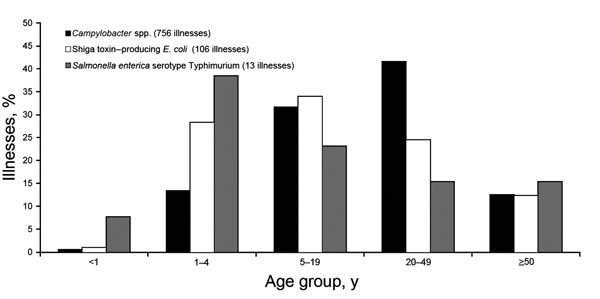
Would you like some Campylobacter or E. Coli today? Raw milk in 26 U.S. states is now the best place to get it, since most readers of Science 2.0 are not going to have the opportunity to buy chicken from a street vendor in China.

Photo: Taber Andrew Bain, CC BY

The link between exercise, diet and ill health has been recognized for a considerable length of time.

Napping beyond the age of 2 is linked to poorer sleep quality in young children, although the impact on behavior and development is less clear-cut, according to a review in Archives of Disease in Childhood. The total length and quality of sleep over a 24 hour period is linked to child health and development, and parents and carers have been encouraged to let toddlers take a daytime nap as a way of promoting good health. By the time a child is 2, s/he is generally getting most of his/her sleep at night.

The researchers wanted to find out what impact napping has on young children's night-time sleep quality, behavior, cognition and physical health.

About 8 million tons of plastic waste wound up in the world's oceans in 2010, and researchers warn that the cumulative amount could increase more than tenfold in the next decade unless the international community improves its waste management practices.

Jenna Jambeck from the University of Georgia in Athens, GA, along with colleagues from the United States and Australia, studied the sources of ocean-bound plastic around the world and developed models to estimate their annual contributions. They suggest that coastal countries generated close to 275 million tons of plastic waste in 2010--and that 4.8 to 12.7 million tons of that plastic made its way to the oceans.

A new study has found that giving acetate supplements sped up the growth and metastasis of tumors in mice.

Acetate is a major compound produced in the gut by host bacteria, which can have beneficial and also potentially harmful effects on human health. Further studies are needed to determine whether restricting acetate production by gut bacteria will affect growth of tumors.

Anyone who knows me also knows that I have a huge sweet tooth.

I always have. My friend and fellow graduate student Andrew is equally afflicted, and living in Hershey, Pennsylvania – the “Chocolate Capital of the World” – doesn’t help either of us.

But Andrew is braver than I am. Last year, he gave up sweets for Lent. I can’t say that I’m following in his footsteps this year, but if you are abstaining from sweets for Lent this year, here’s what you can expect over the next 40 days.

Recent studies have shown that added sugars, particularly those containing fructose, are a principal driver of diabetes and pre-diabetes, even more so than other carbohydrates. Clinical experts writing in Mayo Clinic Proceedings challenge current dietary guidelines that allow up to 25% of total daily calories as added sugars, and propose drastic reductions in the amount of added sugar, and especially added fructose, people consume.

Worldwide, approximately one in ten adults has type 2 diabetes, with the number of individuals afflicted by the disease across the globe more than doubling from 153 million in 1980 to 347 million in 2008. In the United States, 29 million adults (one in eleven) have type 2 diabetes and another 86 million (more than one in three) have pre-diabetes.

Scientists are teaming up to use satellite data to target deadly parasites to help predict patterns of parasitic diseases such as malaria, worms and hydatids. Project leader Professor Archie Clements, from The Australian National University, said the research could help authorities in developing countries fight parasitic diseases.

"Some diseases are highly sensitive to their environment, especially parasitic diseases. With remote sensing you can identify places where disease flourishes," said Professor Clements, Director of the ANU Research School of Population Health. "This information is useful for decision makers to help them ensure scarce resources are targeted to where they are most needed."

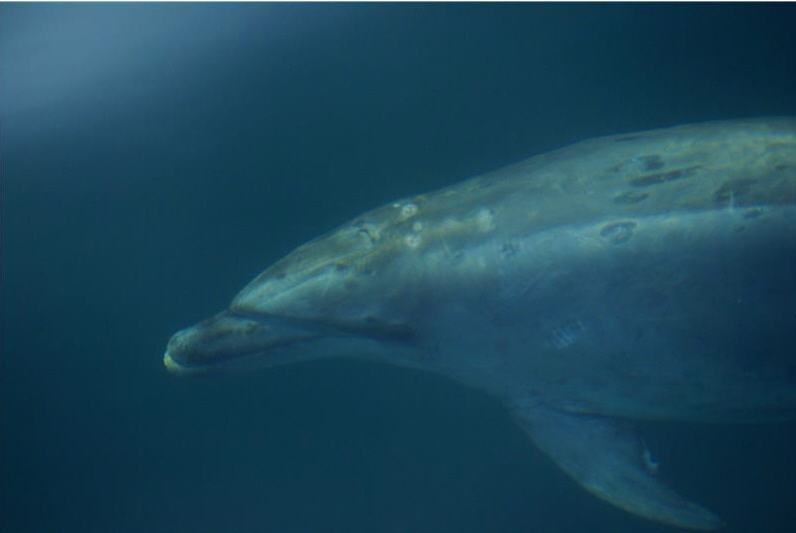
A new study to investigate the population structure and historical processes responsible for the geographic distribution of the species in the Mediterranean finds that the bottlenose dolphin only colonized the region after the last Ice Age, about 18,000 years ago.

The Mediterranean basin is now a global biodiversity hotspot and several marine species exhibit complex population structure patterns over relatively short geographic distances, so it is interesting to investigate the drivers of population structure in marine organisms. Tissue samples from 194 adult bottlenose dolphins (Tursiops truncatus) were collected between 1992 and 2011 from the five main eastern Mediterranean basins.


